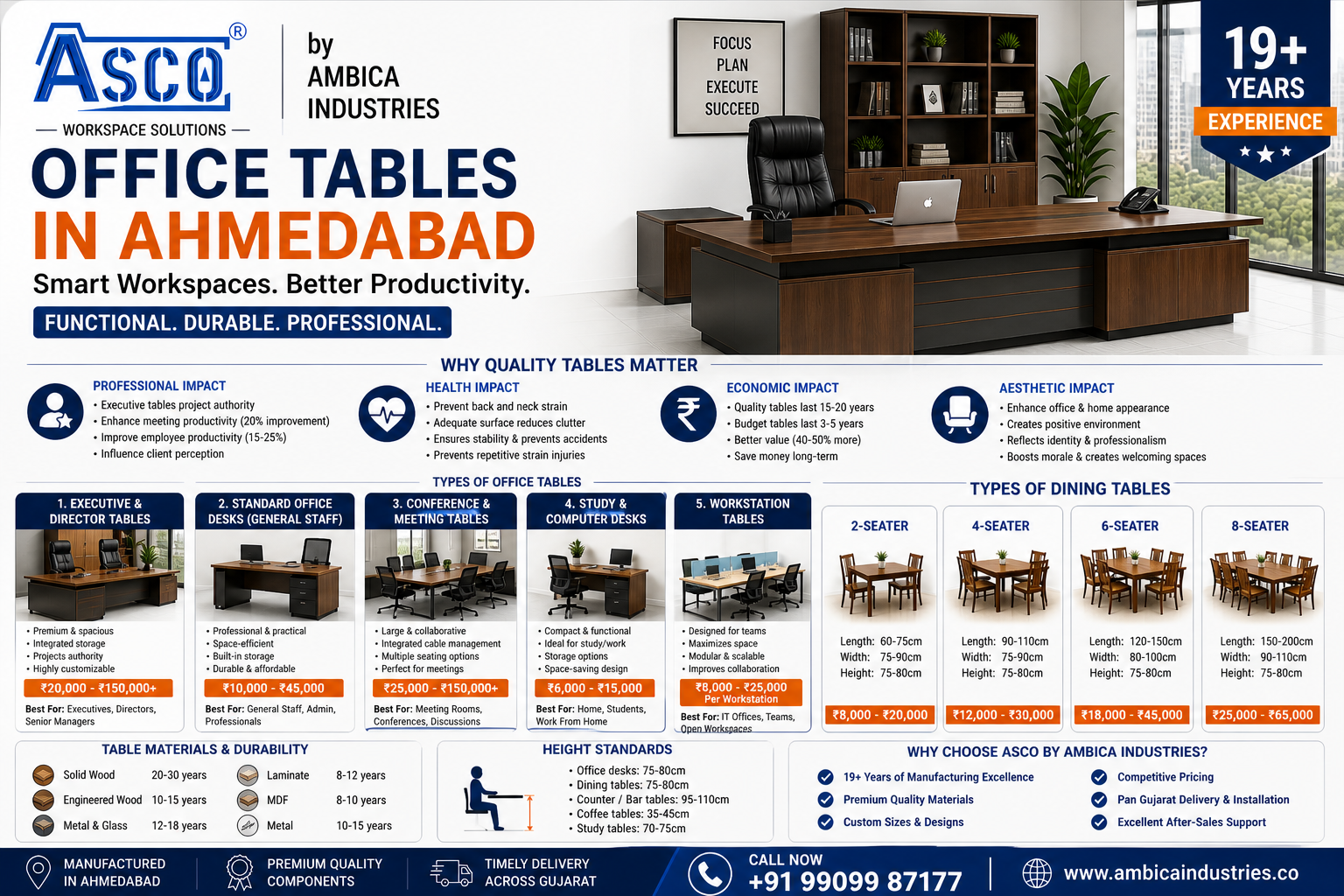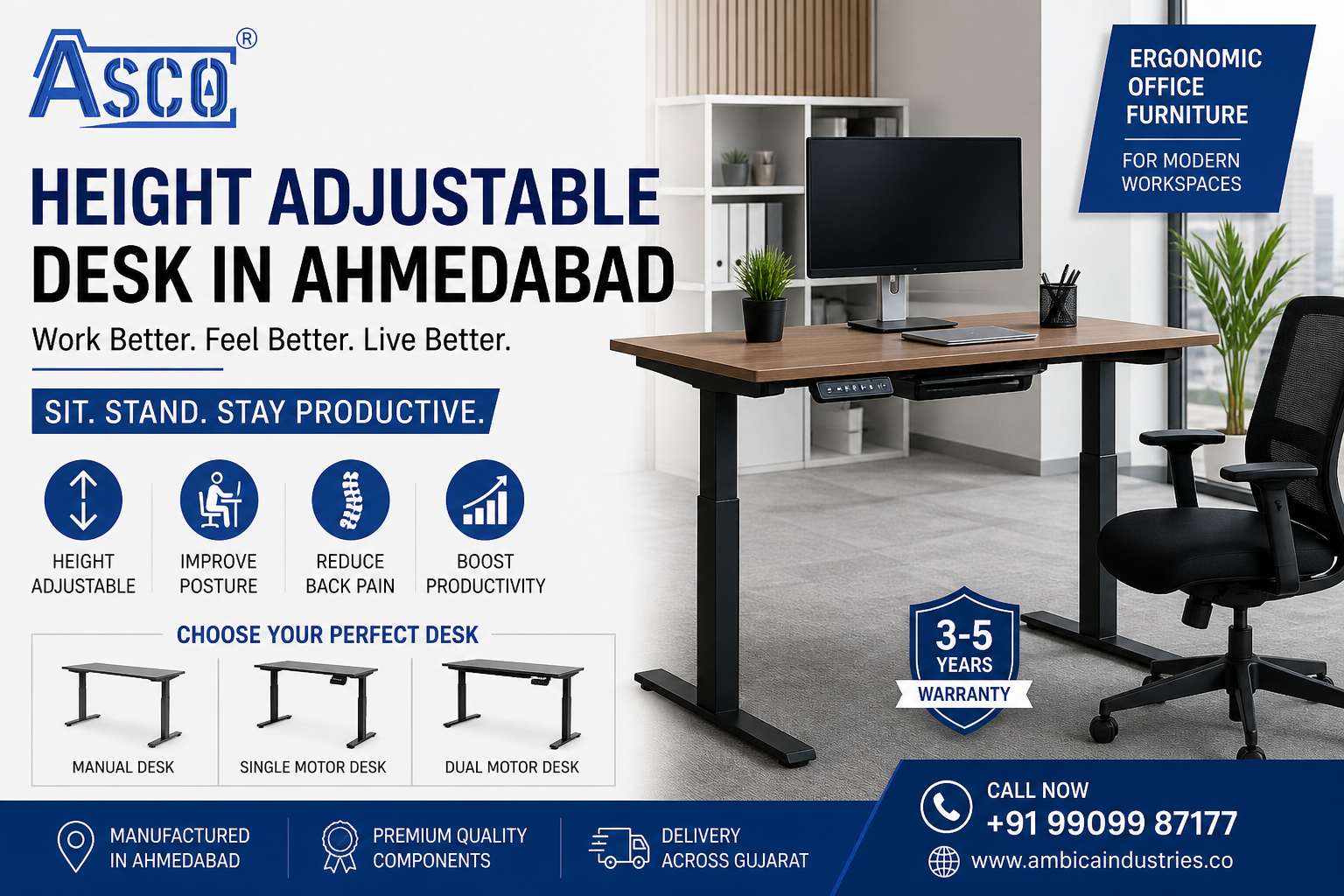

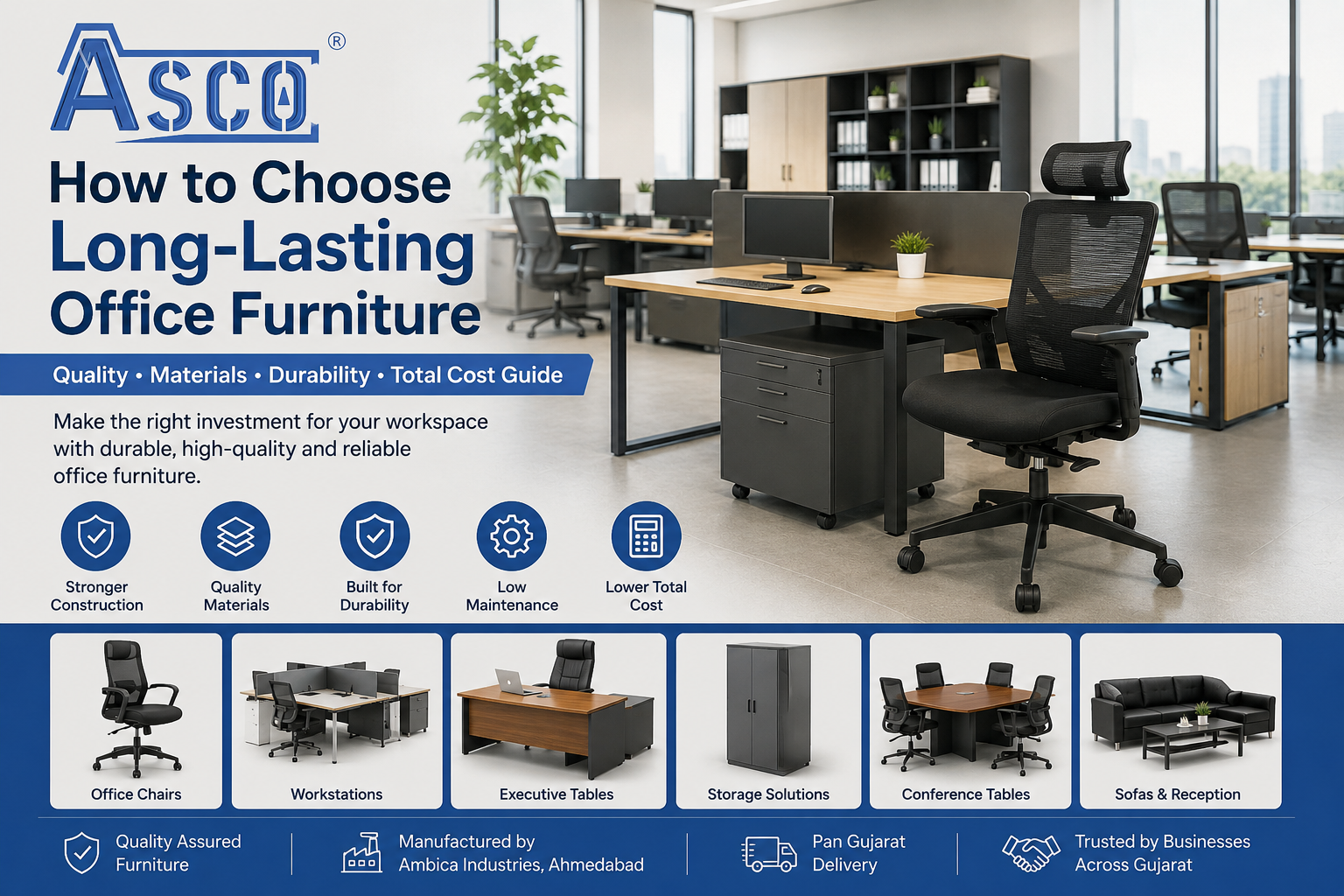
Furniture shapes how people sit, work, eat, sleep, store belongings, meet, study and use a room. This practical guide explains the major types of furniture, materials, dimensions, construction methods, styles, space-planning principles, quality checks, maintenance routines, pricing factors and buying decisions so customers can choose furniture with confidence.
- Furniture Basics and the Role of Furniture
- Major Furniture Categories
- Furniture Planning by Room
- Sofas and Lounge Seating
- Chairs and Everyday Seating
- Tables and Surface Furniture
- Beds and Bedroom Furniture
- Wardrobes and Clothing Storage
- Storage Furniture and Organization
- Desks and Study Furniture
- Office Furniture
- Workstations and Collaborative Furniture
- Reception and Waiting Furniture
- Dining Furniture
- Hospitality and Restaurant Furniture
- Educational Furniture
- Healthcare and Care-Environment Furniture
- Retail and Display Furniture
- Outdoor Furniture
- Children’s Furniture
- Furniture Materials
- Solid Wood Furniture
- Engineered Wood and Boards
- Metal and Steel Furniture
- Glass and Transparent Elements
- Plastic and Polymer Furniture
- Upholstery, Fabric and Leather
- Construction, Joinery and Hardware
- Ergonomics and Human Comfort
- Dimensions and Measuring Furniture
- Furniture Styles and Visual Language
- Colour, Finish and Texture
- Custom and Made-to-Measure Furniture
- Modular and Flexible Furniture
- Quality Inspection and Product Testing
- Durability and Long-Term Performance
- Cleaning and Furniture Care
- Repair, Replacement and Refurbishment
- Sustainable Furniture Decisions
- Furniture Budgeting and Price Factors
- Buying Furniture Online
- Buying Furniture from a Showroom or Store
- Furniture Shopping in Ahmedabad and Gujarat
- Delivery, Assembly and Installation
- Warranty, Service and Documentation
- Furniture for Businesses and Projects
- Bulk Furniture Procurement
- Moving, Storage and Reconfiguration
- When to Replace Furniture
- Furniture Checklists
- Furniture Terms and Glossary
- Frequently Asked Questions About Furniture
Furniture Basics and the Role of Furniture
Furniture is the movable and built-in equipment that makes a space usable for everyday activities. A home depends on furniture for sitting, sleeping, eating, working and storage, while offices use furniture to organize desks, meetings, reception areas and records. Commercial spaces use tables, chairs, counters, display units and storage to support customers and staff. Because furniture affects movement as well as appearance, choosing it is fundamentally a space-planning decision rather than a purely decorative purchase.
A useful furniture buying process starts with the activity the product must support. A sofa for occasional guests has a different specification from a sofa used every day by a family. A dining table for four people does not need the same footprint as a conference table for a large meeting room. An office chair used for several hours deserves more attention to seat dimensions, back support and adjustability than a decorative chair that is used briefly. Thinking in terms of use helps customers compare furniture on meaningful criteria.
Furniture Should Fit the Person, Room and Routine
The right furniture balances human needs with room constraints. Seat height, table height, storage access and circulation can all change how comfortable a room feels. A product may be attractive and well made yet still be unsuitable if it blocks a doorway, leaves too little knee room or provides less storage than the household or workplace requires. Measuring the room first and defining the daily routine prevents many avoidable purchases.
Furniture Is Both Functional and Visual
Furniture carries visual weight. A large sofa, wardrobe or conference table can dominate a room even when its measurements technically fit. Scale, proportion, finish, colour and material should therefore be considered with the architecture around them. Good furniture selection creates useful negative space, clear circulation and a coherent visual rhythm rather than filling every available surface.
Furniture Quality Is a Combination of Decisions
Quality cannot be judged from one specification such as solid wood, steel or laminate. Construction, material grade, joint design, hardware, surface finish, edge treatment and assembly all contribute to performance. Two products with the same overall appearance can behave differently in daily use. Buyers should therefore inspect samples, ask for technical information where appropriate and compare the complete product rather than relying on a material label or photograph.
Furniture Buying Is Easier When the Brief Is Clear
Before visiting a furniture store, showroom or website, write down the room dimensions, intended users, expected frequency of use, quantity, desired style and approximate budget. For a single home product, this can be a short note. For an office, restaurant or institution, it can become a structured bill of quantities. A clear brief makes product comparisons faster and helps sellers provide more relevant options without guessing what the customer needs.
Major Furniture Categories
Furniture is a broad category because different products solve different human and spatial needs. Understanding the major furniture families makes it easier to compare products without getting distracted by styling alone. The same principles apply whether the purchase is for a home, office, hospitality venue, institution or commercial interior: define the activity, measure the space, choose the appropriate construction and then refine the appearance.
Seating Furniture
Furniture used for sitting includes sofas, lounge chairs, armchairs, dining chairs, office chairs, waiting chairs, stools, benches and task seating. The purpose of the seat determines the important specifications. A dining chair needs a comfortable relationship with the table, while a work chair needs an appropriate seat height, back support and a footprint that works with the desk. Lounge seating puts greater emphasis on depth, cushioning and posture. When comparing seating furniture, look at the way people will enter, sit, rise and move around the product, because a chair that works in isolation may create congestion when many units are placed together.
Table and Desk Furniture
Tables provide working, dining, meeting, display and support surfaces. Common forms include dining tables, coffee tables, side tables, office desks, executive desks, conference tables, study tables and console tables. The intended activity determines surface height, depth, legroom and storage needs. A dining table should allow comfortable seating on every side; a desk needs enough depth for equipment and writing; a conference table needs practical cable and chair clearance; a coffee table should sit in a useful relationship to the sofa. The right table is therefore defined by the activity around it, not just by its tabletop size.
Storage Furniture
Storage furniture includes wardrobes, cupboards, cabinets, chests, bookshelves, filing cabinets, racks, sideboards and modular storage systems. The choice depends on what is stored, how often it is accessed and whether it must be hidden, displayed, locked or moved. Household storage may be optimized for clothing, books or kitchenware, while office storage often needs files, stationery and records. Measuring the objects before choosing shelves can prevent wasted vertical or horizontal space. Storage is also part of visual planning: closed cabinets can reduce visual clutter, while open shelves make frequently used items easier to access.
Bedroom and Rest Furniture
Beds, bedside tables, dressers, wardrobes, ottomans and bedroom seating support rest and personal organization. Bedroom furniture needs attention to mattress dimensions, circulation around the bed, wardrobe door clearance, dressing access and storage capacity. The largest item is often the bed, so it should be placed first when planning the room. Secondary furniture should then be fitted around it while preserving clear paths to windows, doors and wardrobes. A well-planned bedroom feels calm because furniture is proportionate, accessible and easy to maintain.
Special-Purpose and Commercial Furniture
Specialized furniture supports activities such as reception, retail display, hospitality, education, healthcare, laboratories, libraries and public waiting areas. These environments often need stronger attention to cleaning, traffic, accessibility, storage, durability and repeatability than a typical residential room. A commercial furniture specification should therefore identify the use environment, user population, operating hours, cleaning routine and expected volume of traffic before a product is selected.
Furniture Planning by Room
Furniture works best when it is planned as part of the room rather than purchased as isolated objects. Every room has fixed elements such as walls, doors, windows, columns and service points, plus movable elements such as people, chairs and storage. Good planning leaves useful circulation while placing furniture close to the activities it supports.
Living Room Planning
Begin with the main seating group and establish the primary conversation or viewing orientation. A sofa, sectional or combination of sofa and chairs should leave enough space for people to walk around the seating without squeezing between furniture. Coffee tables need enough clearance to reach seats but should remain close enough to be useful. Side tables, media furniture and storage should be positioned according to actual use, not symmetry alone. If the room is narrow, visual lightness can come from raised furniture bases, slimmer arms and storage that uses vertical space.
Bedroom Planning
Place the bed first because it establishes the room’s circulation pattern. Confirm that doors can open fully, wardrobe shutters have room to operate and there is a usable route on the sides or foot of the bed. Bedside tables should be reachable without forcing a person to stretch across the mattress. Dressers and wardrobes should be measured with door or drawer opening included, because their closed dimensions can be misleading in a tight room. Bedroom furniture works best when storage, sleep and dressing zones do not obstruct each other.
Dining Area Planning
A dining space needs more than a table footprint. Chairs occupy additional space when pulled away from the table, so the room should be measured in the open-chair position. Consider how often meals are served, whether the table is also used for homework or remote work, and whether extra guests are common. Round and oval tables can soften circulation in compact rooms, while rectangular tables may make efficient use of longer spaces. The table finish should also tolerate food contact and regular cleaning.
Home Office Planning
A home office needs enough desk depth for the monitor or laptop, keyboard, documents and any equipment that must remain within reach. Position the chair first and check that arm movement, legroom and drawer access remain comfortable. Storage should be located around the work zone without making the room feel like a filing room. If the desk is also used for creative work, the writing or making surface may need greater depth than a typical computer desk. Cable routing should be planned before the furniture is finalized.
Entryways and Transitional Spaces
Hallways, foyers and entry zones often benefit from smaller furniture such as consoles, benches, shoe storage and compact cabinets. The challenge is maintaining circulation while creating useful storage. Measure the narrowest point of the passage, not just the width of the room. A shallow piece can be far more practical than a deep cabinet that makes the entrance feel obstructed. Furniture in a transition zone should also tolerate repeated contact because these areas experience more traffic than many rooms.
Sofas and Lounge Seating
Sofas are often the largest upholstered pieces in a home or reception area, so their dimensions, construction and fabric have an outsized effect on comfort and appearance. A good selection process considers how the sofa will be used, who will use it, how it will enter the room and how it will be cleaned over time.
How Sofa Design Affects Comfort
Sofa comfort comes from the relationship between seat depth, seat height, cushion construction, back angle, arm height and upholstery. Deep seats may suit relaxed lounging but can feel excessive for people who prefer an upright posture. Firm cushions are usually easier to rise from, while softer cushions may feel more relaxed. Before buying a sofa, sit in it rather than relying only on photographs or a specification sheet. Test how your feet contact the floor, whether the back supports your preferred posture and whether the arm height feels natural.
Sofa Size and Room Scale
Measure the wall, doorway, lift, stair and turning space before choosing a large sofa. A piece can fit the room but fail to enter the building. Sectional or L-shaped sofas can define large seating areas efficiently, but their orientation should match the room because many designs have a fixed chaise or corner. In a compact living room, a two- or three-seat sofa with narrower arms may preserve more usable floor area. Scale matters more than a sofa’s nominal seat count.
Sofa Upholstery Choices
Fabric, leather and coated upholstery each behave differently. Fabric can offer a broad choice of colour and texture, while leather-like surfaces may be easier to wipe in some environments. The correct choice depends on sunlight, pets, children, food use, frequency of cleaning and desired feel. Look at seams, zipper access where present, cushion edges and the way the upholstery returns after pressure. A visually attractive fabric is not automatically practical for a high-traffic lounge.
Sofa Construction and Frame Quality
A sofa’s visible upholstery hides its structural frame, webbing or support system and cushion materials. Buyers should ask what supports the seat, how the frame is assembled and whether the legs are securely attached. The construction should be judged against the expected use frequency. A decorative sofa used occasionally has a different duty cycle from a family sofa used continuously. When comparing products, note whether the construction is consistent across matching chairs and sectional pieces.
Sofa Placement and Maintenance
Keep enough clearance around the sofa for walking and cleaning. Avoid trapping the piece tightly against a wall if the room layout needs behind-sofa access. Rotate or reposition removable cushions according to the manufacturer’s guidance to even out wear. Vacuum loose dust before it becomes embedded and treat spills promptly using a cleaning method compatible with the upholstery. For larger seating groups, maintenance access should be planned at the time the furniture layout is created.
Chairs and Everyday Seating
Chairs vary enormously because the human body uses them for very different tasks. A dining chair, task chair, waiting chair and lounge chair should not be judged by the same criteria. Comparing seat height, depth, back support, mobility and cleaning needs creates a more meaningful basis for selection than comparing shape alone.
Dining Chairs
Dining chairs should fit the table, the user’s body and the available room. Seat height is especially important because the chair and tabletop form one working system. Check whether the armrests, if any, can slide comfortably under the table. The chair should permit natural foot placement and avoid forcing the knees too high. For frequent dining, cleanability and resistance to staining can matter as much as visual design. In smaller dining rooms, slimmer chair profiles may preserve circulation without compromising the number of seats.
Office and Task Chairs
A task chair should support the way a person works rather than simply look professional. Consider seat height, seat depth, backrest shape, armrest position, swivel or movement requirements and the relationship to the desk. Users who spend long periods at a computer may benefit from adjustability because a single fixed posture rarely suits every person. A good chair should allow the user to approach the desk without the armrests striking the tabletop and should provide enough clearance for natural movement.
Visitor and Waiting Chairs
Visitor chairs are usually simpler than task chairs because people use them for shorter periods. Even so, seat height, back support, stability and ease of cleaning matter. In reception spaces, chairs are often used by different body types, so extreme seat depth or highly contoured shapes may reduce usability. Where many chairs are needed, consider whether they can be moved, stacked or arranged efficiently. A consistent chair family can also make a waiting area look calmer and easier to maintain.
Armchairs and Lounge Chairs
Armchairs provide a more enclosed seating experience than a side chair. They can anchor a living room, reading corner, office lounge or reception area. Consider arm height and seat depth because these dimensions change how easy it is to enter and leave the chair. In rooms with multiple lounge chairs, leave enough space between armrests so the seating does not become visually or physically crowded. Upholstery should match the expected traffic and maintenance routine.
Stools and Compact Seating
Stools are useful when floor area is limited or when seating is required at a counter, high table or utility station. Counter-height and bar-height stools are not interchangeable with ordinary dining chairs because the body position changes with the table height. Decide whether back support, a footrest or swivel movement is needed. Compact seating is especially useful in kitchens, cafés, reception counters and occasional-use work areas where a full chair footprint would be excessive.
Tables and Surface Furniture
Tables define surfaces around which people work, eat, meet, display objects and organize daily activities. Their dimensions influence both furniture comfort and room circulation. The most suitable table is therefore the one whose size, shape, height and construction match the task and the surrounding furniture.
Dining Tables
The dining table sets the scale of the dining zone. Choose its length and width based on the usual number of diners plus occasional guests, then check the room around it. Rectangular tables suit long rooms and can provide a clear head position at each end. Round tables encourage face-to-face conversation and can work well where corner circulation is important. Tabletop thickness affects visual weight, while leg design affects how many people can sit comfortably at the edges.
Coffee and Centre Tables
A centre table should relate to the sofa seat height and the distance between seating positions. Too high can feel like a desk; too low can make everyday use awkward. Leave enough room for knees and movement, but keep the table close enough for drinks, books and remote controls. Glass, wood and mixed materials create different visual effects. The best centre table balances the size of the seating group with the amount of open floor area left around it.
Console and Side Tables
Console tables are useful behind sofas, along walls and in entryways, while side tables provide a local surface next to a chair or sofa. Depth is often more important than width in constrained spaces. Measure the required object footprint—lamp, phone, key tray or decorative item—before buying. In an entryway, a drawer or concealed storage can be more useful than a broad open surface. Side tables are easiest to live with when their height allows items to be reached without excessive bending.
Conference and Meeting Tables
Meeting tables should be planned around the chair count, circulation and equipment used during meetings. Large tables can create a professional visual impression, but their size should not leave insufficient walking space. Cable management may be necessary when laptops, displays or power sockets are used. The tabletop shape influences interaction: rectangular tables create clear ends and sides, while boat-shaped or rounded forms can improve sightlines between participants. Choose a finish that tolerates frequent cleaning.
Executive and Work Desks
An executive desk or work desk should provide a surface that matches the user’s equipment, paper work and storage needs. Depth affects monitor distance and usable writing space, while width affects whether the workspace can support several devices. Pedestals or cabinets may add storage but can also restrict legroom. Check the chair position before finalizing the desk because the combined footprint determines whether the workstation feels comfortable.
Beds and Bedroom Furniture
Bedroom furniture should support rest while also providing practical storage and circulation. The bed normally determines the room scale, then wardrobes, bedside tables and dressers are fitted around it. Measure the mattress, frame and opening clearances together rather than selecting every product independently.
Choosing a Bed Size
Bed size should be selected around mattress dimensions, the number of sleepers and room circulation. Measure the space for the bed frame rather than relying only on mattress size because headboards, rails and side structures add to the footprint. Leave access for making the bed, cleaning and reaching switches or bedside storage. In compact bedrooms, a simpler headboard or storage bed may work differently from a deep upholstered frame.
Bed Frames and Support
A bed frame needs to support the mattress as designed and remain stable during movement. Inspect joints, central support where relevant, slat spacing and the quality of fasteners. Storage beds introduce additional mechanisms, so check that drawers or lift-up sections can be opened safely without colliding with nearby furniture. The bed’s visual style is secondary to the support system because an attractive frame is not useful if it creates noise, movement or poor mattress support.
Bedside Tables
A bedside table should be reachable while lying down and should have enough surface for the objects normally kept there. Drawers or shelves can keep small items organized. Match its height to the mattress and bed frame so the top does not feel too low or high. When using two bedside tables, symmetry can be pleasing, but function should remain the priority; a single wider unit can sometimes suit a smaller room better.
Dressers and Chests
Dressers and chests add organized storage for clothing and accessories. Drawer depth should match the items being stored, and the furniture should be positioned so drawers can open fully. Anti-tip considerations become more important as tall storage increases. Measure the clearance to the bed, doorway and walking path rather than relying only on the closed dimensions of the chest.
Bedroom Furniture Coordination
A coordinated bedroom does not require every piece to be identical. Consistency can come from matching wood tones, hardware finishes or proportions. Mixing materials can make the room more flexible, especially when an existing wardrobe or bed is being retained. The strongest result usually comes from controlling the number of visual finishes rather than buying an entire room set without considering the architecture.
Wardrobes and Clothing Storage
Wardrobes are storage systems as much as they are pieces of furniture. Their external width and height matter, but internal organization often determines whether the furniture remains useful. Before choosing a wardrobe, inventory the items to be stored and consider the room, door mechanism, opening clearance and installation path.
Wardrobe Capacity
Start with the clothes and accessories rather than the outside appearance of the wardrobe. Separate hanging clothes, folded garments, shoes, bags and small items, then estimate how each category should be stored. Long hanging clothes need greater vertical clearance than folded shirts. Drawers are useful for smaller items, while adjustable shelves can handle changes in storage habits. A good wardrobe uses internal volume efficiently without creating shelves that are so deep that items disappear at the back.
Sliding and Hinged Wardrobes
Hinged doors require swing space in front of the wardrobe, while sliding doors move within the cabinet footprint. Sliding wardrobes can be useful in narrow rooms, but their track and panel system should be inspected for smooth operation. Hinged doors give full access to the cabinet at once. The better choice depends on wall length, front clearance, maintenance preferences and the user’s organization style.
Material and Finish for Wardrobes
Wardrobes may use solid wood, plywood, engineered board, steel or mixed construction. Material selection affects weight, finish options, cost and maintenance. Edges are particularly important because they receive repeated contact. In humid environments, buyers should ask how the chosen board and edge are protected. The finish should also be considered with the room’s lighting because dark, glossy surfaces can show fingerprints and dust more readily.
Internal Layout and Accessories
The inside of a wardrobe is effectively a small storage system. Adjustable shelves, hanging rails, drawers and compartments should be arranged around the user’s routine. Too many fixed divisions can reduce flexibility. Too little separation can create clutter. Accessories should be selected for real storage needs instead of adding features simply because a catalogue includes them.
Wardrobe Installation and Access
A tall wardrobe should be considered together with the route through which it enters the room. Check door widths, stair turns, lift dimensions and ceiling height. Large modular wardrobes may arrive in sections and be assembled on site. That can help with access but makes precise installation important. Furniture should be leveled and secured as appropriate for its design and location.
Storage Furniture and Organization
Storage furniture should solve an organization problem. The right cabinet, rack, cupboard or bookshelf places items where they can be reached, protected or displayed without consuming unnecessary floor area. Capacity should therefore be measured in relation to actual contents and access frequency, not just by the outside dimensions.
Cabinets and Cupboards
Cabinets are useful when the objective is to hide equipment, documents or household items. Before choosing one, identify whether contents need frequent access, security or visual concealment. Shelves should be deep enough for the objects without wasting space behind them. Adjustable shelves are useful when storage needs change. Doors should open without colliding with adjacent furniture, walls or people using the room.
Bookshelves and Open Storage
Open shelving works well for books, displayed objects and frequently accessed materials, but it creates a stronger visual pattern than closed cabinets. Shelf spacing should suit the objects rather than follow a decorative grid. For heavy books, pay attention to shelf span, support and fixing. In a living room, combining open and closed storage can keep the display area intentional while hiding less attractive items.
Filing and Office Storage
Office storage needs to match document volume, access frequency and security requirements. Filing cabinets can be useful for organized records, while cupboards and shelves support larger items. Storage planning should not be isolated from desk placement: a cabinet that is six steps away may be acceptable for archived records but inconvenient for frequently used documents. Consider whether drawers, shelves or doors provide the most efficient access for the work routine.
Storage in Small Rooms
Vertical storage can increase capacity without consuming more floor area, but tall furniture changes the visual balance of the room. Shallow cabinets are often more useful than deep ones in narrow passages. Under-bed, under-desk or bench storage can also provide capacity without introducing another large wall unit. The right small-room storage solution is the one that improves organization without reducing movement.
Modular Storage
Modular storage systems can evolve when needs change. The value is highest when components share a consistent dimension system and can be reconfigured or expanded. Before selecting a modular system, ask what can actually be changed later. Some products are called modular simply because several units can be placed next to one another, while others have genuine interchangeable components.
Desks and Study Furniture
Desks and study tables support focused work, so their size should be judged around the activities performed at them. Computer work, handwriting, design work and shared homework all create different surface requirements. Chair fit, legroom, cable routing and lighting should be considered with the desk rather than afterward.
Study Tables
A study table should provide enough surface for books, stationery and a computer if required. Depth matters because a shallow desk can force items toward the edge. Consider the chair and desk as one unit: the user should be able to sit close enough to work without knees colliding with the underside. Storage drawers can help, but too many compartments can reduce legroom.
Home Work Desks
A home work desk often has to support more than one activity. A person may alternate between computer work, writing, calls and document review. A wider surface can be valuable, but the desk should still leave enough space for the chair to move. In a shared home, cable access and storage become particularly important because the desk may need to be reset after each work session.
Computer Desks
Computer desks should be planned around screen size, keyboard position, CPU or docking equipment and cable routing. The desk should not force the monitor into an awkward position simply because the tabletop is too shallow. Storage for peripherals can prevent clutter. If a desktop computer is used, check that the tower has ventilation and clearance rather than enclosing it in a tight compartment.
Writing and Creative Tables
Writing, drafting and creative work may require a larger uninterrupted surface than ordinary computer use. Artists or students may need room for books, materials and a drawing area. The surface should resist the type of marks, moisture or tools expected in the activity. Height can also matter when the user alternates between handwriting and craft work.
Desk Placement
Place a desk where lighting is useful and glare is controlled. Natural light can be beneficial, but a window directly behind a screen may create contrast. Wall placement can maximize floor area, while floating a desk can create a more flexible workspace. Leave enough clearance behind the chair for normal movement and account for drawers or cabinet doors that need to open.
Office Furniture
Office furniture combines seating, desks, workstations, meeting tables, storage and reception products into a workplace system. The strongest office layouts balance individual productivity with movement, collaboration, privacy and maintenance. Product choices should therefore be made with the floor plan and work pattern in mind.
Office Seating
Office seating includes task chairs, executive chairs, visitor chairs, conference chairs, waiting chairs and lounge seating. The right chair depends on duration and task. Employees who sit for hours need a different evaluation from visitors who sit for ten minutes. Adjustable features can improve fit, but they also add mechanisms that should be maintained. A good office seating plan considers desk height, chair movement and the user’s working posture together.
Office Desks and Tables
Office desks range from compact staff desks to executive tables and meeting surfaces. Desk planning should reflect the equipment, paper work, storage and privacy requirements of the user. In open offices, desk dimensions influence how many workstations fit comfortably. In management cabins, a larger table may need visitor chairs and storage around it. The visual style should match the workplace without sacrificing legroom or circulation.
Office Workstations
Workstations organize multiple employees around a common planning system. The key considerations include desk size, partition height, cable management, circulation, privacy, storage and chair movement. A workstation system should be evaluated at the level of the whole floor rather than a single desk because repeated modules multiply small design strengths and weaknesses. For larger office layouts, measuring the complete floor plan before ordering is essential.
Meeting and Conference Furniture
Meeting areas need tables, chairs, power access, presentation space and circulation. A table that is too large can make a room feel crowded and can make it harder to see or hear participants. Conference furniture should also tolerate frequent rearrangement of laptops, documents and beverages. The finish should be easy to clean because meeting rooms are often shared by many teams.
Office Storage and Reception
Office furniture planning often includes cabinets, almirahs, shelving, reception desks and waiting chairs. Storage should be located where work actually happens. Reception furniture should create an organized first impression but must also permit staff movement, visitor access and equipment placement. A coordinated office furniture package can reduce visual inconsistency, but matching colours should never take priority over correct dimensions and workflow.
Workstations and Collaborative Furniture
Workstations are repeated furniture systems, which means small design decisions are multiplied across an entire office floor. A good workstation specification balances desk dimensions, employee comfort, storage, power and data access, privacy and circulation. The layout should be tested at the complete-room level before a project is finalized.
Open Workstations
Open workstations work best when the organization needs efficient shared space and easy communication. They can improve floor utilization compared with individual rooms, but acoustic and privacy considerations remain important. Desk spacing, partition height and storage location influence how people interact. The workstation should create a defined personal work zone without making collaboration impossible.
Manager and Executive Workstations
Manager workstations can combine a primary desk with side storage, visitor seating or a meeting surface. The objective is to support both individual work and short conversations without requiring a separate meeting room for every interaction. Executive workstations often have a larger footprint, so room size and circulation should be verified before selection.
Bench-Style Workstations
Bench-style office systems place desks in shared rows or clusters. They are useful where teams need a consistent module and efficient use of floor area. Cable management is especially important because multiple users may share power and data routes. The visual simplicity of a bench system can make a room feel organized, but storage and acoustic needs should be solved alongside the desks.
Collaborative Tables
Collaborative tables support group work, project reviews and informal discussions. Round, square and modular shapes can change how participants interact. A table used with laptops needs power access and enough surface for devices plus notebooks. A table for workshop activities may need a more durable finish because materials are handled more heavily.
Flexible Furniture for Changing Work Patterns
Furniture that can be moved or reconfigured is valuable when teams change size or use rooms for multiple purposes. However, flexibility has a cost in handling and storage. Before choosing movable furniture, establish who will move it, how often and where unused components will be stored. A genuinely flexible environment has a simple reconfiguration process; furniture that is technically movable but difficult to handle may remain fixed in practice.
Reception and Waiting Furniture
Reception furniture sets the functional pattern of a visitor area. It needs to support arrival, greeting, waiting and onward movement while giving staff an organized working point. Because this area is highly visible, appearance matters, but it should remain connected to practical requirements such as circulation, cleaning and storage.
Reception Desks
A reception desk should organize the first interaction while providing staff with practical work space. Consider visitor approach, staff seating, document storage, electrical requirements and sightlines. The desk should not block the entrance or create a narrow corridor. Its height and configuration may also need to distinguish between visitor-facing and staff-working surfaces.
Waiting Chairs
Waiting chairs are used by people with different body sizes and expectations. A supportive but not excessively deep seat is often easier for mixed users. Upholstery or surfaces should suit the cleaning routine, especially in busy clinics, offices or public buildings. Arrange chairs so people can sit together without feeling crowded, while still preserving a clear route toward the reception counter.
Reception Sofas
Reception sofas can provide a softer, more relaxed atmosphere than individual chairs. They are useful in corporate lobbies, hospitality settings and waiting areas where groups may arrive together. The sofa should be measured against the wall, door and circulation path. If cleaning access is important, leave enough clearance to reach behind and around the furniture.
Client and Visitor Areas
Visitor spaces benefit from a clear hierarchy: a place to arrive, a place to wait, a place to meet and a way to exit without crossing staff-only zones. Furniture can support that flow through arrangement. Side tables, display cabinets and small storage units should be placed intentionally rather than added later as loose pieces.
Reception Style and Professional Appearance
The visual language of a reception area should support the character of the organization. A law office may favor restrained forms, while a creative studio may use stronger colour or unconventional seating. Regardless of style, consistent scale, clean lines and organized cables usually create a more professional appearance than expensive decorative furniture placed without a plan.
Dining Furniture
Dining furniture is designed around repeated sitting, serving, eating and social interaction. Table dimensions and chair dimensions must be coordinated, and the space around the furniture matters just as much as the furniture itself. Residential dining rooms and commercial dining venues share the same basic human requirements but differ greatly in traffic and maintenance intensity.
Choosing a Dining Table
Choose a dining table by the number of people who normally eat together, the room dimensions and the type of seating. Table length should not be the only measure; width affects serving space and whether people can comfortably reach across the table. Leg placement is also important because bulky corner structures can interfere with knees. Before buying, mark the table footprint on the floor and test chair movement around it.
Dining Chairs and Table Height
Dining chairs and tables must work as a pair. Check seat height, table height and the space between the seat and underside of the tabletop. Armchairs need additional clearance because armrests may prevent them from moving fully under the table. Upholstery should be chosen for the way meals are served and cleaned, especially in households with children.
Dining Sets vs Individual Pieces
A dining set ensures that table and chairs coordinate in proportion, but buying individual pieces can provide greater flexibility. A customer with an existing table may only need new chairs. In that case, the existing table dimensions should be measured before selecting replacements. Mixing chair styles is possible when seat height and visual scale are controlled.
Dining Furniture for Restaurants and Cafés
Commercial dining furniture faces more movement, cleaning and turnover than household dining furniture. Tables should support frequent wiping, chairs should tolerate repeated handling and the layout should preserve service routes. Restaurant furniture should be selected around actual table turnover and staff movement rather than copying a home dining arrangement. In cafés, compact tables and stackable seating may be valuable when floor space must serve multiple uses.
Dining Finishes and Everyday Care
Dining surfaces regularly encounter spills, heat, moisture and food residue. The chosen finish should match the cleaning routine and expected use. Use coasters or mats where appropriate, wipe spills promptly and follow the care instructions for the surface. Avoid harsh cleaners unless the manufacturer specifically approves them, because aggressive chemicals can dull finishes or damage protective coatings.
Hospitality and Restaurant Furniture
Furniture used in hospitality settings is exposed to high turnover, frequent cleaning and repeated movement. The customer experience depends on comfort and appearance, but staff efficiency depends on practical dimensions and manageable furniture. A useful hospitality specification therefore considers the whole service cycle rather than choosing products only for visual appeal.
Furniture for Dining Venues
Hospitality furniture has to withstand more frequent use than most residential furniture. Restaurant tables may be wiped after every service, chairs may be moved several times a day, and the layout may be changed for different group sizes. The right product balances comfort with cleanability and handling. Table edges, chair joints, protective feet and surface finishes deserve special attention because these small components experience constant contact.
Restaurant Tables
Restaurant tables should support quick cleaning, stable placement and efficient use of floor area. Square and rectangular tables are easy to combine into different group sizes, while round tables can improve circulation and conversation. The tabletop material should tolerate food spills and repeated cleaning. Bases and legs should leave enough foot room and should not create tripping points for customers or staff moving around the room.
Restaurant and Café Chairs
Commercial dining chairs need a combination of comfort, stability and easy maintenance. In a busy café, chairs may be pulled out and pushed back hundreds of times over their service life. A lighter chair may be easier for staff to move, while a heavier chair can feel more substantial. Upholstery should be selected around spill risk and cleaning procedures. Stackability can be valuable when seating numbers change during events or off-peak periods.
Hotel Furniture
Hotels use furniture in guest rooms, lobbies, restaurants, meeting spaces and back-of-house areas, so the specifications vary by location. Guest-room furniture emphasizes quiet operation, durability and appearance. Lobby furniture must handle constant traffic. Meeting-room tables should tolerate frequent equipment movement. Rather than specifying one furniture style for the entire property, buyers can define a consistent finish language while allowing each room type to have appropriate construction.
Hospitality Layout and Guest Flow
Furniture arrangement affects how quickly guests can move through the venue and how efficiently staff can serve them. Keep service paths clear, avoid furniture corners that create collision points and leave enough space for chairs to be moved away from tables. A restaurant layout should be tested at peak seating, not only when the room is empty. Furniture that looks spacious in a plan may feel crowded when every table and chair is occupied.
Educational and Learning Furniture
Furniture in educational environments supports concentration, writing, collaboration, storage and movement. Because the same products may be used by many people throughout the day, the specification should balance comfort with durability and easy maintenance. The principles in this section can also help buyers furnishing training rooms, coaching centres and other learning spaces.
Classroom Furniture
Educational furniture includes desks, benches, student chairs, writing-pad chairs, teacher tables, storage and other products used in learning environments. The selection should consider student age, classroom activity, room size and maintenance. Conventional rows may suit lecture-based instruction, while collaborative tables can support group learning. The product should be selected after the teaching arrangement is understood rather than before the room function is defined.
Training and Seminar Furniture
Training rooms benefit from furniture that can support writing, discussion and different seating layouts. Writing-pad chairs can save space in some settings, while movable tables offer more surface area for collaborative sessions. Training furniture should be easy to rearrange without creating excessive storage or handling demands. When sessions vary in size, nesting or stackable furniture can help the room adapt between uses.
Library Furniture
Libraries need tables, chairs, bookshelves, racks and circulation space. Shelf height and depth should reflect the users and the books being stored. Reading tables need enough space between seats for quiet movement. Low shelving may improve visibility and accessibility, while taller shelving can increase storage capacity if the room and user group justify it. The furniture plan should consider supervision, cleaning and emergency movement as well as book capacity.
Computer and Learning Tables
Computer furniture has to accommodate screens, input devices, cables and users. A desk that is adequate for handwriting may be too shallow for a monitor and keyboard. Cable routing should be kept away from walking paths, and equipment ventilation should not be blocked. For shared learning environments, durable surfaces and simple cleaning become especially important because many users interact with the same furniture every day.
Institutional Durability
Schools, colleges, coaching centres and other institutions often require furniture that survives repeated use by different people. The most useful specification therefore identifies the duty cycle, expected traffic and cleaning routine. Large institutions should also consider consistency: a batch of two hundred chairs should feel like one product family, with predictable dimensions and replacement components where applicable.
Healthcare and Care-Environment Furniture
Care environments require more careful furniture selection because users may have different mobility, cleaning and safety needs. General furniture principles still apply—fit, stability, material and circulation—but specialized products should be evaluated against their intended clinical use and any applicable standards or professional requirements.
Waiting and Reception Furniture
Healthcare environments need seating and tables that support visitors, patients and staff without making movement unnecessarily difficult. Waiting chairs should be stable, easy to clean and arranged so that users can approach the reception desk without weaving through narrow gaps. Upholstered seating may need different cleaning considerations from hard-surface chairs. Furniture scale should respect the room, especially in smaller clinics where every aisle affects movement.
Examination and Procedure Support
Specialized healthcare furniture is more dependent on clinical requirements than ordinary commercial furniture. Examination tables, stools, storage carts and work surfaces should be selected from appropriate healthcare specifications rather than adapted from general household products. The important factors can include cleanability, load capacity, positioning, infection-control procedures and compatibility with medical workflows. When a healthcare product is required, the buyer should use the applicable standards and professional specifications for that product category.
Healthcare Storage
Storage furniture in care environments should place supplies where staff can reach them efficiently. Cabinets may need shelves that can be cleaned easily, while locked storage may be required for specific materials. The correct location matters as much as the cabinet capacity. Frequently used supplies should not be stored in a remote room simply because that room has more empty shelves.
Care-Environment Seating
Chairs used by patients, caregivers or visitors may need different seat heights and arm support from ordinary lounge seating. In settings where users have reduced mobility, the ease of standing up can matter greatly. Furniture placement should leave adequate approach space rather than placing every chair tightly against a wall.
Cleaning and Infection-Control Considerations
Healthcare furniture should be evaluated against the cleaning and disinfection procedures actually used in the environment. Seams, exposed fasteners, porous surfaces and difficult-to-reach gaps can make cleaning more complex. Buyers should ask the product supplier for care instructions and verify that the chosen material is compatible with the cleaning agents used by the facility.
Retail and Display Furniture
Retail furniture has two jobs: it must support the practical needs of staff while presenting products effectively to customers. Display, storage, counters and seating influence how the store is navigated and maintained. A good retail furniture plan is therefore a combination of merchandising, workflow and durability decisions.
Display Shelving
Retail display shelving is designed to present products while keeping items accessible and the sales floor organized. Shelf spacing should match the product package dimensions rather than a generic shelf module. Adjustable shelves allow the display to evolve. The furniture should also be stable because customers may handle products at different heights. Heavy merchandise requires appropriate load consideration and secure fixing where necessary.
Retail Counters
A retail counter has both customer-facing and staff-working sides. The front may display products or support checkout, while the rear needs room for packaging, devices, documents and storage. Counter height affects customer interaction and staff comfort. Electrical and data points should be planned before fabrication so cables are not routed across working surfaces after the furniture is installed.
Store Storage Furniture
Back-of-house storage determines how efficiently staff can replenish the sales floor. Cabinets, racks and drawers should be selected around inventory size and access frequency. Fast-moving items should remain easy to reach, while reserve stock can be placed higher or farther away. Clear labeling and modular shelf spacing can make storage easier to manage than simply adding more cabinets.
Visual Merchandising and Furniture
Furniture can influence how customers perceive a store. A consistent material and finish can create a recognizable visual system, while varied display heights can guide attention through the space. The furniture should support the merchandise rather than compete with it. In smaller shops, multifunctional fixtures can combine display, storage and counter functions without consuming too much floor area.
Durability in Retail Environments
Retail furniture faces repeated customer contact, cleaning, stock movement and occasional impacts. Edges, handles, shelf supports and base panels often receive more wear than the main surface. A quality inspection should therefore focus on the details that customers and staff touch most often, because small failures in these areas can quickly make a store look poorly maintained.
Outdoor Furniture
Outdoor furniture should be selected from the environment inward. Sunlight, moisture, wind, dust, temperature and the surface beneath the furniture all influence performance. The same chair that works perfectly in an indoor dining room may need different materials and maintenance when placed permanently on a terrace.
Materials for Outdoor Use
Outdoor furniture faces conditions that indoor furniture does not: sunlight, temperature changes, moisture, dust and sometimes rain. Materials and finishes should therefore be selected for the actual exposure. Metal may require corrosion protection, while timber may need an exterior-appropriate coating and regular maintenance. Plastic and synthetic materials can offer weather resistance, but heat and UV exposure should still be considered.
Outdoor Seating
Outdoor chairs and sofas should be stable on the intended surface and easy to move when weather changes. Cushion materials should be chosen around moisture and storage. If the furniture remains outside, drainage and drying behavior matter. If it is brought indoors every evening, weight and handling become more important than they would be for permanent installations.
Outdoor Tables
An outdoor table should remain stable on the surface and tolerate the local climate. Tabletops that absorb water may behave differently from sealed or synthetic surfaces. Dark finishes can also become hotter in direct sun. For cafés and terraces, table bases should allow people to sit comfortably without catching their feet or interfering with cleaning.
Balconies and Small Outdoor Spaces
Balcony furniture needs careful attention to depth because the available area is limited. Foldable or stackable pieces can create flexibility, but the product should remain stable. Measure railings, doors and the turning path for furniture entering the balcony. Lightweight furniture may be easier to handle but should not be so light that it becomes unstable in the expected conditions.
Outdoor Care
Outdoor furniture lasts longer when the care routine matches the material. Keep drainage paths clear, dry wet cushions appropriately and use protective covers where suitable. Metal should be inspected periodically for surface damage that could permit corrosion. Timber may need recoating according to the product system. Storage during severe weather can also reduce unnecessary exposure.
Children’s Furniture
Children’s furniture should be designed around the child’s size, behavior and environment. The furniture should support the activity without introducing avoidable risks. Scale, stability, edge treatment and cleanability are usually more important than decorative complexity.
Age-Appropriate Scale
Children’s furniture should be sized for the children who use it. A desk intended for a five-year-old has different proportions from one for a teenager. The seat, tabletop and storage height should allow the child to use the furniture without climbing or stretching. When buying furniture for a mixed-age environment, consider whether separate sizes are needed rather than assuming one standard size will work for everyone.
Safety and Stability
Children interact with furniture in ways adults may not anticipate. They may lean, climb, push or move chairs repeatedly. Stability, rounded or appropriately finished edges, strong joints and secure hardware therefore deserve extra attention. Tall storage should be positioned and secured appropriately for the environment. Furniture should be selected so that ordinary child activity does not create avoidable instability.
Study Tables and Chairs for Children
A children’s study set should allow a comfortable relationship between chair and table. The child should be able to place both feet securely and reach the writing surface without hunching. Storage can encourage organization, but drawers should not reduce knee space. Growth should also be considered: adjustable furniture can extend useful life when the adjustment mechanism is simple and robust.
Children’s Bedroom Furniture
Beds, wardrobes, study tables and storage for children should combine practical access with safe construction. Heavy doors or hard-to-reach shelves may be inconvenient for younger users. Open bins can support easy access to toys, while closed cupboards can reduce visual clutter. The arrangement should create a clear route around the bed and avoid furniture that narrows the doorway or emergency path.
Maintenance for High-Use Kids Furniture
Children’s furniture often experiences marks, spills and frequent movement. Surfaces should therefore be chosen for easy cleaning. Loose screws, damaged edges and broken protective feet should be repaired promptly. A simple inspection routine can prevent small issues from becoming safety or usability problems.
Furniture Materials: How to Compare Them
Material is one of the first questions customers ask about furniture, but it should not be answered in isolation. Wood, engineered boards, steel, glass, plastic, fabric and mixed construction can all be appropriate in the right application. Compare the complete material system and how it will behave in the environment where the furniture will be used.
Material Choice Should Follow Use
There is no universally best furniture material. The correct choice depends on load, environment, appearance, maintenance, expected life and budget. Solid wood can offer a natural appearance and can be repairable, while engineered boards provide predictable panel dimensions and a broad range of finishes. Steel is useful for structural frames and storage. Glass adds visual lightness. Plastics can be practical for some seating and outdoor applications. Mixed-material construction often combines advantages from several materials.
Look Beyond the Material Name
A product described as “wooden,” “steel,” or “premium” still requires closer inspection. Wood-based furniture can differ in board type, thickness and edge treatment. Steel furniture varies by section, gauge, joint method and coating. Upholstery varies by fabric, foam and construction. Asking for a specific product specification makes comparisons more meaningful and reduces the risk of buying based only on marketing language.
Material and Maintenance
Maintenance needs often follow the material system. High-gloss surfaces show fingerprints, raw timber may need different cleaning, metal can show chips or rust if protection is damaged, and upholstery needs vacuuming and spot treatment. A customer should therefore think about who will clean the furniture and how often. A material that looks excellent but requires a maintenance routine the household or business cannot sustain may be the wrong choice.
Material and Climate
Local climate can influence furniture performance. Moisture, heat and strong sunlight can affect finishes and materials differently. In regions such as Gujarat, buyers may want to discuss material behavior under heat and seasonal moisture, especially for storage, wardrobes, outdoor products and furniture located near entrances or windows. The appropriate response depends on the exact construction and exposure.
Material and Visual Style
Materials also create different visual signals. Timber can make a room feel warm, while metal can look precise and modern. Glass can make bulky forms feel lighter. Fabric and upholstery introduce softness. A well-coordinated room often combines two or three materials rather than trying to make every furniture piece from the same material.
Solid Wood Furniture
Solid wood remains popular because it offers a natural visual character and can be used in durable furniture construction. Its behavior is different from engineered panels, so customers should understand how grain, moisture movement, joints and finish affect the finished piece.
Natural Character of Wood
Solid wood has a visual character that comes from grain, colour and natural variation. These variations are not necessarily defects; they can be part of the material itself. Customers who choose solid wood should understand that pieces may differ slightly. The species, seasoning, construction and finish determine much of the practical performance, while the design determines how the timber is used.
Wood Movement
Wood responds to changes in moisture, so joints and panels should be designed with this behavior in mind. Furniture makers typically use construction methods that allow appropriate movement while maintaining strength. A customer should therefore inspect the joint design rather than assuming that thicker timber automatically creates a better product.
Solid Wood Maintenance
Dust should be removed with a soft method, while spills should be treated promptly. Cleaning products should match the finish. Direct sunlight can change some wood colours over time, and excessive moisture should be avoided around joints. For dining and living furniture, using protective pads or coasters can reduce unnecessary surface wear.
Solid Wood vs Engineered Panels
Solid wood is not automatically better than every engineered panel. Engineered boards can offer dimensional consistency and efficient use of material, while solid wood can provide particular repair or aesthetic benefits. The right decision depends on the product. A wardrobe, office desk, chair frame and dining tabletop can all benefit from different construction approaches.
Inspecting Wooden Furniture
Check the smoothness and consistency of the finish, the fit of drawers and doors, the stability of legs and the quality of joints. Look underneath the product where practical because construction shortcuts often become more visible in hidden areas. For a custom piece, approve a drawing or sample finish before full production to avoid surprises.
Engineered Wood, Plywood, MDF and Particle Board
Engineered wood products make it possible to create dimensionally consistent furniture panels with many surface options. Plywood, MDF and particle-based boards are not interchangeable; each has different characteristics. The best choice follows the product design, environment and required finish.
Plywood
Plywood is built from layers and is commonly chosen where panel stability and strength are useful. Quality depends on the specific product and application. Customers should ask for the grade and thickness relevant to the furniture rather than accepting “plywood” as a complete specification. Edge sealing and surface treatment are also important because exposed edges are more vulnerable to damage and moisture.
MDF and Fiberboards
MDF provides a smooth, consistent surface that can be useful for painted or laminated furniture components. It behaves differently from plywood and solid timber, especially where moisture or fastening is involved. The right application depends on the board specification, thickness, supporting structure and finish. A strong furniture design uses the board for tasks it is suited to rather than assuming all sheet materials are interchangeable.
Particle Board and Chipboard
Particle-based boards can provide an economical base for many furniture applications, especially when protected by a suitable surface. The performance of the finished product depends on board quality, thickness, edge treatment, hardware and the overall construction. Customers should pay attention to screw retention, joint design and moisture exposure where the furniture will be used in challenging environments.
Laminated Panels
Laminated panels add a decorative and protective surface to a substrate. They can make furniture easier to coordinate across a room and can offer many colour and texture choices. The edges need careful treatment because peeling or impact damage often starts there. Buyers should inspect the edge-banding quality, corners and cut-outs in addition to the visible face of the panel.
Choosing the Right Sheet Material
The best sheet material depends on the furniture and its environment. An office desk, wardrobe, bookshelf and kitchen cabinet can require different combinations of panel type, thickness, finish and edge treatment. A useful product specification names the board type, thickness, surface finish and edge treatment rather than using a broad phrase such as “premium board furniture.”
Metal and Steel Furniture
Metal and steel furniture can provide useful structural strength and durability, especially for frames and storage. Quality depends on the metal section, thickness, joint design and surface protection. These details should be part of the purchase specification whenever metal construction is important to performance.
Steel as a Structural Material
Steel is widely used in frames, cabinets, storage units, desks and institutional furniture because it can provide structural strength. The performance of steel furniture depends on section size, thickness, joints, welding, fasteners and surface protection. Buyers should therefore evaluate the complete construction rather than treating steel itself as a guarantee of durability.
Powder-Coated Metal
Powder coating can provide a consistent decorative and protective surface on metal furniture. The finish is only as good as the preparation and application beneath it. Look for an even finish, clean edges and appropriate coverage. Chips should be repaired according to the product guidance because exposed metal can become a weak point for corrosion depending on the environment.
Steel Storage Furniture
Steel cupboards, almirahs, filing cabinets and lockers are useful where organizations need enclosed storage and robust daily use. Check shelf load, door operation, locking mechanism, ventilation where relevant and how the base meets the floor. A tall storage unit should also be considered in relation to wall conditions and stability requirements.
Metal Frames in Mixed Furniture
Many desks, benches and chairs use metal frames with wood-based or upholstered components. This construction can combine structural efficiency with a broad range of finishes. Inspect the frame-to-panel connection carefully because this interface receives repeated loading. The best mixed-material furniture has a coherent connection method rather than a frame and panel that merely appear to fit together.
Metal Furniture Maintenance
Keep metal surfaces clean and dry according to manufacturer instructions. Avoid abrasive cleaners that can damage the finish. Inspect welded joints, screws, feet and exposed edges periodically. In humid or corrosive environments, surface damage deserves prompt attention. A small coating repair can be easier than dealing with widespread corrosion later.
Glass and Transparent Furniture Elements
Glass introduces transparency and a lighter visual appearance, but it also changes how a product should be handled and maintained. The appropriate glass, support method and edge treatment depend on the application. Customers should evaluate the complete construction rather than the glass surface alone.
Why Glass Changes Visual Weight
Glass can make a table or cabinet appear visually lighter because the eye can see through the surface. This can be useful in compact rooms where solid furniture feels bulky. The transparency also highlights whatever sits beneath or behind the glass, so storage and styling become part of the visual composition. Glass is therefore a design material as much as a functional surface.
Safety and Edge Treatment
Glass furniture should use suitable glass and appropriate edge treatment for the intended application. Buyers should ask how the glass is supported and whether the edges are protected. A heavy glass top also requires a stable base that distributes the load correctly. Safety considerations should be confirmed from the specific product or standard applicable to the furniture.
Cleaning Glass Furniture
Glass surfaces show fingerprints, dust and smears readily. Regular cleaning may therefore be necessary in reception areas and dining spaces. Use cleaning methods compatible with the surrounding frame and seals. Do not allow moisture to collect around joints or hardware where it can reach materials that are not intended for wet cleaning.
Glass with Wood or Metal
Glass tables often combine a transparent top with wood or metal bases. The base controls stability and visual character, so it should be assessed separately from the glass. A narrow base may create a light appearance but can feel different under load from a wider support. Check that the top sits securely and that the table does not rock when pressure is applied at different points.
When Glass Is Not the Best Choice
A glass surface is not ideal for every household or commercial environment. High-impact use, heavy workshop tasks or locations with frequent rough handling may justify a more forgiving material. Glass can still work well in low-impact settings when the product is correctly specified and cared for, but aesthetics should not override the use environment.
Plastic, Polymer and Synthetic Furniture
Plastic and polymer furniture can be practical where light weight, easy cleaning or weather resistance is valuable. It is a broad category, however, and product quality varies. Look at the polymer, thickness, reinforcement, shape and intended environment before comparing price.
Where Plastic Furniture Works Well
Plastic and polymer furniture can be practical where low weight, cleanability, stackability or weather resistance is useful. Common applications include occasional seating, educational spaces, outdoor products and utility furniture. The quality varies widely by polymer and construction. Look for thickness, reinforcement, UV suitability when outdoors and the way the legs or joints are formed.
Molded Seating
Molded plastic chairs can offer consistent shape and easy cleaning. They are useful in many high-turnover environments, but comfort depends on the seat contour and flexibility of the shell. If the chair is used for long periods, test it rather than assuming a molded shape will fit everyone equally well.
Plastic for Outdoor Use
Outdoor plastics should be evaluated for UV exposure, temperature range and colour stability. Lightweight products can be convenient to move, but strong winds may affect placement. The base shape and weight should be appropriate to the site. Outdoor storage can extend the life of plastic furniture even when the material is marketed as weather resistant.
Synthetic Finishes and Imitation Materials
Furniture may use synthetic materials that imitate wood, stone or leather. These can provide consistent appearance and easier maintenance, but buyers should understand what lies underneath and how the finish is applied. A printed wood texture is not the same thing as a timber surface, and a leather-like coating behaves differently from natural leather. The right choice depends on the desired performance and budget.
Repairability and Replacement
Some plastic furniture is easy to wipe but harder to repair after structural damage. Before purchasing large quantities, ask whether components can be replaced or whether a damaged chair means replacing the whole unit. For commercial or institutional use, the practical cost of replacement can be more important than the original unit price.
Upholstery, Fabric, Leather and Cushion Materials
Upholstery affects comfort, appearance and maintenance at the same time. Fabric, leather, synthetic leather, foam and support construction interact, so the right choice requires more than picking a colour. Consider how often the furniture will be used and how it will be cleaned.
Fabric Upholstery
Fabric adds softness, texture and colour to furniture but requires a cleaning routine appropriate to the textile. Consider rub resistance, stain behavior, colour stability and the frequency of use. A family sofa and a hotel lounge may need very different upholstery specifications. Examine seams and piping because those areas receive repeated friction and can reveal how carefully the product was constructed.
Leather and Leather-Like Materials
Natural leather changes with use and can develop a distinctive appearance over time. Synthetic leather and coated fabrics can offer a different balance of cost, uniformity and cleanability. Buyers should ask what material is actually being supplied instead of relying on labels such as “leather finish.” The correct choice depends on the environment, maintenance routine and desired tactile quality.
Foam and Cushion Support
Cushion comfort is affected by foam density, thickness, shape and support below the cushion. A very soft seat can feel comfortable initially but may not suit users who prefer easier movement. A firmer seat can provide a more upright posture. Because comfort is highly personal, sitting on the furniture is often more informative than reading the product name.
Upholstery Maintenance
Vacuum upholstered furniture regularly to remove loose dust, and deal with spills promptly using the recommended method. Avoid soaking cushions unless the material is designed for it. Rotate removable cushions when the manufacturer permits to distribute wear. Keep upholstered furniture away from direct heat sources where appropriate, and protect it from long-term direct sunlight if the textile is sensitive.
Upholstery for Commercial Areas
Commercial upholstery often requires more durable materials and easier maintenance than residential seating. Waiting chairs, restaurant benches and office sofas may be cleaned repeatedly, so stain resistance and wipeability can be important. The right specification balances appearance with the actual cleaning protocol of the site.
Furniture Construction, Joinery and Hardware
Furniture construction determines whether the chosen materials perform as intended. Joints, fasteners, welds, hinges, runners, legs and assembly all influence stability and service life. These details are often easier to judge on a physical sample than in a catalogue photograph.
Joints and Load Paths
Furniture remains stable because loads travel through joints, panels, frames and supports. A chair leg, desk corner or shelf bracket is not an isolated component; it is part of a load path. Buyers should inspect how the components connect and whether the construction feels rigid under normal pressure. Decorative hardware cannot compensate for a weak structural joint.
Screws, Bolts and Fasteners
Fasteners should be appropriate to the materials being joined and the forces expected in use. Repeatedly moved furniture can loosen if connections are poorly designed. When inspecting a product, look for clean alignment and secure seating of screws and bolts. For large projects, consistent fastening across a batch helps reduce maintenance differences between units.
Welding and Metal Fabrication
Welded frames should have consistent joints without obvious gaps, sharp protrusions or incomplete-looking connections. The quality of the weld is part of the structural system. Grinding and finishing should also be controlled so the final surface is safe and visually consistent. A well-finished frame should not require customers to hide rough fabrication behind upholstery or panels.
Drawer and Door Hardware
Drawers and cabinet doors experience repetitive opening cycles, so runners, hinges, handles and catches should be suitable for the expected use. Test several cycles rather than opening a drawer once. Look for smooth travel, alignment and closing. In commercial furniture, replaceable hardware can be an advantage because a small component should not force replacement of an entire cabinet.
Assembly Quality
Even good furniture can perform poorly if assembly is incomplete or inaccurate. Components should sit squarely, doors should align, tables should not rock and fasteners should be tightened to the appropriate level. For furniture delivered in flat-pack or modular form, the quality of the assembly process is therefore part of the final product quality.
Furniture Ergonomics and Human Comfort
Comfort is not a single feature. It emerges from dimensions, posture, movement, support and the relationship between adjacent furniture. Ergonomic selection is most effective when the furniture is tested by the actual user or a representative group before a larger purchase.
What Ergonomics Means in Furniture
Ergonomics means fitting furniture to human use. In a chair, this includes seat height, depth, width and back support. In a desk, it includes surface height, legroom and working distance. In a sofa, it includes seat depth and back angle. The goal is not one universal posture but an arrangement that supports the task without unnecessary strain or awkward reach.
Chair and Desk Relationship
A chair and desk should be treated as one system. If the desk is too high, the user may raise the shoulders; if the seat is too high, the feet may lose stable support. Adjustable chairs can provide more flexibility, but the desk still needs appropriate dimensions. Before buying furniture for long working periods, test the complete setup rather than evaluating the chair or desk separately.
Sofa Ergonomics
Sofa comfort depends on body size and sitting preference. Deep sofas can be pleasant for lounging but may be difficult for shorter users who prefer an upright position. Seat height affects how easily people stand up. Arm height changes whether a user can rest comfortably. Because these variables interact, a physical test is particularly valuable when choosing a sofa for everyday use.
Dining Ergonomics
Dining furniture should allow people to eat without the tabletop pressing against the body or leaving the arms at an awkward angle. The distance between seat and tabletop should feel natural. Armchairs require special attention because armrests can conflict with the underside of the table. For large families or restaurants, check several seating positions rather than testing only the end chair.
Standing and Sit-Stand Furniture
Adjustable desks can support changes between sitting and standing, which some users find useful during long work sessions. The important consideration is adjustability that is easy to use and stable at different heights. A sit-stand desk should also have enough cable slack and equipment stability across its travel range. Users should choose the height that allows comfortable screen and input-device placement, not simply the maximum or minimum setting.
Furniture Dimensions, Measurement and Fit
Furniture dimensions determine whether a product is comfortable, usable and physically compatible with its room. Good measurement goes beyond width and height: customers need to consider clearance, access, door operation, chair movement and the relationship between adjacent pieces.
Measure the Room First
Furniture measurements should begin with the room, not the catalogue. Record wall lengths, ceiling height, doorway width, corridor width, lift dimensions where relevant, window positions, electrical points and fixed architectural features. Then measure the furniture footprint and the space required to use it. A wardrobe needs door-opening clearance; a dining chair needs pull-out space; a desk needs chair clearance; a sofa needs an entry route. The difference between closed dimensions and working dimensions is one of the most common sources of furniture-selection mistakes.
Furniture Height
Height affects posture, reach and visual scale. Dining tables, desks, coffee tables, shelves, beds and work surfaces all operate within different height relationships. A table can be structurally sound yet uncomfortable when paired with the wrong chair. Tall cabinets can maximize storage but may become difficult to access. Low furniture can create a relaxed look but can also reduce useful storage volume. Always assess height in relation to the user and adjacent furniture.
Depth and Clearance
Depth determines how much floor area a furniture piece consumes. A deep sofa may be comfortable but can overwhelm a narrow living room. A deep storage cabinet offers capacity but can create a difficult passage. Desk depth changes monitor placement and writing space. Measure the clear distance from furniture edges to doors, walls and other objects in the positions in which people actually use the room.
Furniture Scale and Proportion
Scale is about how large a piece feels in relation to the room, while proportion describes relationships among furniture dimensions. Two sofas with the same width can feel very different if one has wide arms and a low back while the other has slim arms and a taller back. Proportion matters especially when combining pieces from different collections or replacing one item in an existing room.
Entry and Installation Measurements
A furniture item that fits its final location can still fail at delivery. Measure the entrance door, staircase, lift, corridor turns and installation area. Modular construction can make large furniture easier to bring into a building, but assembled dimensions still need to be checked. For tall units, verify ceiling clearance and the ability to tilt the product into its final position where required.
Furniture Styles and Interior Design Language
Furniture style communicates the visual character of a room, but style should never replace function. The strongest interiors use a consistent design language while choosing dimensions and materials that suit the people and activities using the space.
Modern Furniture
Modern furniture usually emphasizes clean lines, practical forms and restrained visual detail. It can use wood, metal, glass, engineered panels or mixed construction. Modern does not mean one colour or one material; it is more about proportion and visual simplicity. The most successful modern rooms avoid clutter and allow each piece to have a clear purpose.
Contemporary Furniture
Contemporary furniture reflects current design preferences and can change more quickly than traditional styles. It often combines forms and materials that suit present-day interiors. Because trends change, customers should distinguish between a piece they genuinely like and a piece chosen only because it appears fashionable in a current catalogue. Good contemporary furniture should still function when design preferences evolve.
Traditional Furniture
Traditional furniture often emphasizes wood tones, decorative details and familiar proportions. It can create a sense of permanence and works especially well where a room already contains classic architectural features. Traditional styling does not necessarily require solid wood; the visual language can also be produced with engineered materials and suitable finishes.
Minimalist Furniture
Minimalism reduces visual noise by limiting forms, colours and decorative elements. The approach makes dimensions and craftsmanship more visible, so poor alignment or inconsistent finish can become more noticeable. Minimalist furniture works best when storage is planned carefully because clutter that is hidden in a maximalist room can become obvious in a minimalist one.
Industrial and Mixed-Material Furniture
Industrial-inspired furniture often uses metal, wood and visible construction details. Mixed-material furniture can work well in offices, cafés, studios and modern homes because the contrast creates visual character. The practical consideration is whether the finishes are compatible and durable. Exposed metal may need protection, while textured wood surfaces can require a different cleaning method from smooth laminate.
Colour, Finish, Texture and Furniture Appearance
Colour and finish are often the most visible furniture decisions, yet they are also affected by lighting, room size, surrounding materials and maintenance. Samples viewed in the actual environment are more reliable than judging a colour from a digital catalogue.
Choosing Furniture Colour
Furniture colour should be selected with the room’s fixed elements in mind. Wall colour, flooring, curtains, doors and natural light all influence how a furniture finish appears. Large dark pieces can visually reduce a room, while pale finishes may make it feel more open but can show marks more clearly. Consider samples in the actual room when possible because showroom lighting rarely matches the home or office lighting environment.
Wood Tones
Wood finishes range from pale natural tones to deep walnut-like shades and painted surfaces. Mixing several wood tones can work when they share a common undertone or are deliberately contrasted. Randomly combining many similar but not identical shades can make a room feel accidental. For a coordinated furniture plan, choose one main wood tone and use secondary finishes sparingly.
Matte, Satin and Gloss Finishes
Gloss finishes reflect more light and can make colours appear stronger, while matte finishes reduce reflections and often hide minor fingerprints better. Satin finishes sit between the two. The choice should consider lighting, maintenance and the visual style of the room. In high-touch areas, ease of cleaning may be more important than the visual impact of a high-gloss surface.
Texture and Tactile Quality
Texture affects how furniture feels as well as how it looks. Fabric, timber grain, textured laminate, powder-coated metal and smooth glass each create a different tactile character. Mixing textures can prevent a room from feeling flat, but too many can reduce visual coherence. In workplaces and commercial spaces, tactile durability should be considered alongside decorative effect.
Finish Consistency in Larger Projects
When furnishing multiple rooms, finish consistency becomes a specification issue. The same colour name can look different when applied to different materials. For a project with dozens or hundreds of pieces, approve a physical finish sample and define it in the purchase document. This reduces disputes caused by photographs that display colour differently across devices or lighting conditions.
Custom and Made-to-Measure Furniture
Custom furniture is most useful when a standard product cannot solve a genuine space or functional requirement. A successful custom piece starts with a clear brief, a measurable drawing and agreement on what will be produced before fabrication begins.
When Custom Furniture Makes Sense
Custom furniture is useful when standard products do not fit the room, storage requirement, workflow or aesthetic brief. Typical reasons include unusual wall dimensions, awkward corners, integrated storage, brand-specific finishes, special seat counts and non-standard desk sizes. Customization should solve a genuine problem; it should not be selected merely to make an ordinary product slightly different.
Writing a Custom Furniture Brief
A clear custom brief should describe the item, intended use, overall dimensions, functional requirements, material preferences, finish, hardware, quantity and delivery conditions. Photographs of the room can help, but drawings and measurements are more reliable. For projects, include elevations or floor plans where available. A clear brief lets the furniture maker confirm what is feasible and identify conflicts before production begins.
Custom Design and Sample Approval
A drawing can show proportions, but a sample or mock-up often reveals practical problems. For custom seating, test comfort and posture. For cabinets, check the internal layout. For desks, place the actual equipment on the surface. Approve the dimensions and finish in writing before full production, especially when the quantity is large.
Cost of Customization
Customization can affect price because it may require different cutting, tooling, hardware, labour or production scheduling. Not every change has the same cost impact. Changing a colour may be relatively simple, while changing dimensions across every component can require a new production setup. Ask which features are standard and which are custom so the quotation can be understood properly.
Custom Furniture and Future Maintenance
Before ordering a highly customized product, consider what happens when a component needs replacement. Standard hardware and modular components can make future maintenance easier. Unique parts may require a fresh fabrication process. Good custom furniture therefore balances personalization with serviceability rather than optimizing only the initial appearance.
Modular Furniture and Flexible Systems
Modular furniture is valuable when a room needs to change over time. The useful question is not whether the product is advertised as modular, but what can be changed, expanded or replaced without rebuilding the complete system.
What Modular Furniture Means
Modular furniture uses repeatable components that can be combined or rearranged. The term is sometimes used loosely, so buyers should ask what is actually modular: the dimensions, panels, desks, storage units, connectors or complete modules. Genuine modularity can make expansion and reconfiguration easier, but only if replacement components remain compatible.
Modular Office Furniture
Office workstations, desks, storage and meeting furniture can be modular where employee numbers or layouts change. A modular office system can reduce the disruption caused by moves between rooms. However, the initial planning should still be accurate because modular furniture cannot fix a badly measured floor plan. Cable routes, privacy, storage and circulation remain fundamental.
Modular Home Furniture
Home storage systems, wardrobes and shelving can also use modular components. This can be useful when the customer’s storage needs are likely to change. A modular cabinet system may be expanded or rearranged more easily than a completely bespoke built-in unit. The customer should confirm which components can be added later and whether future finish batches are likely to match.
Flexible Tables and Seating
Movable tables and stackable chairs can help rooms serve multiple purposes. They work well in training rooms, activity spaces, multipurpose halls and some home environments. Flexibility adds value when furniture is actually reconfigured. If a room rarely changes, a simpler fixed arrangement may be more economical and easier to maintain.
Modularity and Storage
Storage modules can create consistent widths and heights across a wall while allowing different combinations of open and closed compartments. The most useful system is one that matches the objects being stored. Avoid buying modules solely because they can be rearranged; establish what future change is expected and make sure the modular design supports that change.
Furniture Quality Inspection and Product Evaluation
Furniture quality should be evaluated through appearance, dimensions, function and construction. A careful inspection reveals more than a product photograph because it tests how the furniture actually behaves when opened, sat on, moved or assembled.
Inspect the Product as a Whole
Quality inspection should begin with the complete furniture piece: does it stand squarely, feel stable, open and close correctly, and match the approved dimensions? Then move to individual joints, surfaces, hardware and hidden areas. A polished appearance can conceal weak construction, while a simple-looking product can be structurally excellent. The inspection should therefore combine visual, functional and dimensional checks.
Dimensional Consistency
For a single home item, small dimensional variation may be manageable. For a project with many identical pieces, consistency becomes critical. Compare several units rather than one sample. Check tabletop alignment, chair height, cabinet door gaps and repeated modules. Inconsistent dimensions can create installation problems when products are placed next to one another.
Surface and Edge Inspection
Look closely at corners, edges, cut-outs and contact points. These areas experience impact, moisture and repeated handling. Check for chips, delamination, rough finishing, inconsistent coating or visible gaps. A smooth front panel is not enough; the edge quality often gives a better indication of how the product will perform under daily use.
Hardware Test
Open drawers, doors and moving mechanisms repeatedly. The hardware should operate smoothly without excessive looseness or grinding. Check whether handles are aligned and whether doors close evenly. For chairs or adjustable desks, operate the mechanisms through the normal range. A mechanism that works once in a showroom may reveal its weaknesses after repeated use.
Sample Approval for Furniture Projects
For large furniture orders, the approved sample should become the reference product. Record the exact dimensions, materials, finish, hardware and any agreed deviations. Photograph the approved sample and retain the written specification. This creates a common reference for production, inspection and delivery, which is especially valuable when multiple rooms or sites are involved.
Furniture Durability and Long-Term Performance
Durability is the ability of furniture to continue performing its intended function under the conditions in which it is used. That means considering duty cycle, environment, maintenance, construction and repairability rather than relying only on a material label.
Duty Cycle Matters
Furniture durability depends partly on how often and how heavily it is used. A chair in a private bedroom experiences a different duty cycle from a chair in a restaurant or office waiting area. A dining table used every evening has a different workload from a console table used only for decoration. Select construction based on the actual duty cycle rather than a vague statement that a product is “heavy duty.”
Load and Repeated Movement
Repeated loading can expose weaknesses that are not obvious in static display. Chairs experience sitting, standing, leaning and movement. Drawers are opened repeatedly. Tables receive uneven pressure. Storage shelves carry weight for long periods. Furniture selected for frequent use should therefore have connections and supports designed for repeated loading, not merely one-time assembly.
Climate and Environment
Humidity, heat, sunlight, dust and cleaning routines influence furniture performance. Wood-based panels can react to moisture, metal can corrode when coatings are damaged, and upholstery can fade under strong light. Consider the actual room and climate before choosing the material. In Gujarat, for example, furniture exposed to heat, dust or seasonal moisture should be discussed with the supplier in relation to its finish and maintenance requirements.
Repairable Construction
Furniture with accessible hardware and replaceable components can often be easier to maintain. A loose handle should not require replacing an entire cabinet, and a worn chair caster should be serviceable when the design permits it. When comparing similar products, ask which components are replaceable and whether spares are likely to remain available.
Signs of Premature Wear
Watch for loose joints, edge peeling, surface bubbling, drawer sag, uneven doors, rocking frames and damaged feet. These symptoms can appear before the furniture is visibly “old.” A maintenance schedule should identify them early because small repairs are usually easier than structural repairs after continued use.
Furniture Cleaning and Daily Care
Furniture lasts longer when cleaning and maintenance match the material and use environment. The goal is not simply to make a product look clean, but to prevent avoidable damage to finishes, joints, upholstery and moving parts.
General Dust Removal
Regular dust removal reduces abrasion and keeps surfaces looking clean. Use a soft cloth or the method recommended for the finish. Dry dusting is appropriate for many surfaces, while others may require a lightly damp cloth. Avoid allowing dust to accumulate in joints, drawer runners or textured surfaces where it can combine with moisture or grime.
Cleaning Wood and Wood-Based Surfaces
Use the cleaner recommended for the specific finish and avoid excessive water around joints and edges. Spills should be wiped promptly. Do not assume that a household multipurpose cleaner is safe for every laminate, coating or timber finish. Test an unfamiliar product in an inconspicuous area if the manufacturer’s instructions allow it.
Cleaning Metal Furniture
Metal furniture can usually be maintained with a suitable cloth and mild cleaning method, but the exact approach depends on the finish. Avoid abrasive pads that may expose the substrate. Inspect chips or scratches in coated metal because damage can allow moisture to reach the metal beneath.
Cleaning Upholstered Furniture
Vacuum fabric upholstery regularly, address spills quickly and use approved cleaning methods. Avoid soaking foam-filled cushions unless they are specifically designed for wet cleaning. For high-traffic seating, establish a routine rather than waiting until visible staining becomes severe. Professional cleaning may be appropriate for some upholstery systems.
Cleaning Glass, Plastic and Mixed Materials
Glass often needs more frequent attention to fingerprints. Plastic can usually be wiped easily but may have surface finishes that react to harsh solvents. Mixed-material furniture should be cleaned according to the most sensitive component. When a table combines glass and wood, for example, the cleaner should be safe for both surfaces and should not pool around the joints.
Furniture Repair, Replacement and Refurbishment
Repair and refurbishment can extend furniture life when the underlying structure remains sound. A rational repair decision compares the damaged component, the cost of service and the useful life that will remain after the work.
Repair vs Replacement
A repair makes sense when the main structure remains sound and the damaged component can be restored economically. A broken handle, worn caster or loose joint may be straightforward to fix. Replacement becomes more sensible when the frame, panel or mechanism is extensively damaged or when repeated repairs no longer restore safe and useful performance. The decision should consider labor, parts and remaining service life.
Common Furniture Repairs
Typical issues include loose screws, damaged hinges, drawer runners, cabinet locks, chair wheels, upholstery wear and surface damage. The correct repair depends on the material and construction. Avoid forcing mismatched hardware into an old piece because that can create a second problem. Record the original component where possible so a compatible replacement can be selected.
Reupholstery and Furniture Renewal
A structurally sound sofa or chair may be renewed through reupholstery. This can change the colour and improve appearance without replacing the frame. Before refurbishing, inspect the frame and cushion support so that money is not spent on fabric while a deeper structural problem remains unresolved.
Refinishing Furniture
Timber and some coated furniture can sometimes be refinished, but the work should match the existing construction. Stripping, sanding and recoating can change dimensions at edges or affect the fit of components. For valuable or custom pieces, test the finish on a small area first and decide whether preservation or complete refinishing is more appropriate.
Replacement Planning
For large offices, institutions or hospitality operations, it can be useful to keep a record of furniture models, dimensions and replacement components. This makes future repairs easier because staff can identify the product without guesswork. Standardized furniture families can also reduce the number of spare parts the organization needs to manage.
Sustainable Furniture Choices
Sustainable furniture decisions are practical lifecycle decisions. Long service life, repairability, reuse, sensible material selection and lower-maintenance finishes can all contribute to better resource use when they are matched to the actual application.
Buy for the Intended Life
Sustainable furniture decisions begin with choosing an item that is appropriate for the expected period of use. A product that fails early and must be replaced repeatedly can have a larger overall impact than a durable product selected once. Consider service life, repairability and the possibility of reuse when comparing alternatives.
Material Efficiency
Material choice can influence resource use, but the most appropriate material depends on the product. Efficient panel construction may reduce unnecessary material, while durable steel components may remain in service for many years. Customers should look at the whole product lifecycle rather than labeling one material automatically sustainable.
Repair and Reuse
Furniture that can be repaired, reconfigured or reused in another room can remain useful even when the original application changes. Modular storage and movable tables can be particularly adaptable. When a piece is no longer needed, consider whether another department, room or user can use it before disposal is considered.
Low-Impact Maintenance
Maintenance can also influence sustainability. A finish that can be cleaned with mild methods and does not need frequent replacement may be practical over time. Proper cleaning, prompt repairs and protection from unnecessary moisture or impact can extend the life of almost any furniture system.
Responsible Purchasing Questions
For larger purchases, ask about material composition, durability, repair support, packaging and expected service life. Where environmental certifications are relevant to the project, request the actual certificate or documentation rather than relying on a generic “eco-friendly” label. Transparent documentation helps buyers make a more defensible sustainability decision.
Furniture Budgeting and Price Factors
Furniture price is a result of construction, materials, dimensions, finish, quantity, logistics and customization. A reliable budget therefore begins with a clear specification rather than a single low target price.
Start with a Functional Budget
A furniture budget should be built around the number of products, required specifications and intended life. Set a range for each product family rather than one total figure. A sofa, dining table, office chair and storage cabinet have different value drivers, so a single unit-price target can produce poor trade-offs.
What Changes Furniture Price
Price can change with materials, dimensions, construction, hardware, finish, upholstery, customization, production quantity and delivery. The same product name can cover very different specifications. A written comparison should therefore show what is included in the price and whether transport, assembly and installation are separate.
Cheap vs Good Value
A low price can be attractive for temporary use, rapid replacement or very limited budgets. For long-term use, however, value also includes comfort, durability, maintenance and serviceability. The correct decision depends on the environment. A restaurant chair that fails quickly can be more expensive in practice than a higher-quality chair that remains stable for years.
Budget by Priority
One useful method is to classify purchases into must-have, important and optional features. Structural quality, correct dimensions and safety usually belong in the first group. Decorative accessories, premium finishes or specialized hardware may be optional when they do not change the core function. This helps keep a project within budget without undermining the essentials.
Compare Delivered Cost
The amount paid for the furniture itself may not be the final project cost. Delivery, unloading, assembly, installation, taxes where applicable and future maintenance can affect the total. Compare quotations on the same delivered basis whenever possible. This is especially important when buying furniture from different cities or suppliers.
Buying Furniture Online: What to Check Before Ordering
Online furniture research can save time and expose customers to a wide range of products, but digital images cannot fully show scale, tactile quality or construction. The safest approach is to use online information for shortlisting and verification rather than relying on photographs alone.
Use Online Research for Shortlisting
Online furniture shopping is useful for comparing styles, dimensions, materials and product families before visiting a physical location. Search results can reveal many options quickly, but photographs should be treated as a starting point rather than proof of quality. Shortlist products based on dimensions and stated construction, then verify the details that matter before purchase.
Read Specifications Carefully
Check product dimensions, material descriptions, upholstery information, weight or load information where relevant, package dimensions and care instructions. Do not assume that a photo reveals the material or internal construction. A product shown with a laptop may have a smaller practical work surface than expected, and a wardrobe photographed with clothing may have limited internal depth.
Check Reviews with Context
Reviews can reveal assembly difficulties, delivery damage or comfort issues, but individual experiences may not match your use case. Look for recurring comments rather than one extreme review. If many customers mention the same hinge, fabric, assembly or size problem, that signal deserves attention. Reviews should complement, not replace, the product specification.
Confirm Delivery Access
Online orders can fail at the last step when a large sofa, bed frame or wardrobe cannot pass through the building. Confirm package dimensions and delivery method. Ask whether the item is delivered assembled or in modules. Measure the building entry route before ordering large furniture, especially for apartments and offices on upper floors.
Returns and Installation
Check the seller’s return, damage-reporting, assembly and installation policies before payment. A low-cost online purchase can become inconvenient if the product arrives with a part missing or if installation is not available where you live. Keep the packaging and documentation until the product has been fully inspected.
Buying Furniture from a Showroom, Store or Shop
A showroom, furniture store or shop gives customers an opportunity to test comfort, inspect construction and see finishes at full scale. The visit is most productive when the buyer arrives with room measurements and a clear list of requirements.
Why Physical Inspection Helps
A showroom lets you sit on chairs and sofas, open drawers, examine finishes and judge proportions at real scale. These observations are difficult to reproduce on a screen. Physical inspection is particularly useful for comfort-sensitive products such as sofas, office chairs and beds, and for large items where proportions matter.
What to Measure in a Showroom
Carry a room plan or the main dimensions with you. Record the product width, depth and height rather than relying on a salesperson’s shorthand such as “three-seater” or “large wardrobe.” Take photographs with permission and note the exact model or finish so you can compare it later without confusion.
Ask Practical Questions
Ask what material is used, how the product is constructed, whether the dimensions are fixed, what maintenance is required and how delivery is handled. For upholstered furniture, ask about the textile and cleaning method. For cabinets and tables, ask about board type, thickness and edge treatment when those details are important to the purchase.
Avoid Showroom-Lighting Decisions
A finish that looks perfect under showroom lighting may appear different at home. Request a swatch or sample where available, especially for large custom pieces. Consider how daylight and artificial light in the actual room will interact with the material and colour.
Compare Like with Like
When comparing two stores, write down the specifications. Compare the same dimensions, material type, finish, hardware and inclusions. “Wooden table” or “premium chair” is not a sufficiently precise specification. The goal is to compare equivalent products so that the difference in price has a clear explanation.
Furniture Shopping in Ahmedabad and Gujarat
Furniture shopping in Ahmedabad and Gujarat offers access to manufacturers, suppliers, showrooms, retailers and markets. The best buying route depends on the product, quantity, need for physical inspection and delivery requirements rather than on a single universal “best” location.
Local Furniture Shopping
Ahmedabad has a broad furniture ecosystem that includes manufacturers, wholesalers, retailers, showrooms and specialist businesses. Current local guides identify established shopping areas such as Paldi and Relief Road among the city’s furniture markets, while many manufacturers and stores operate from other commercial and industrial areas. A customer should choose a location based on the product needed and the value of physical inspection, not simply the reputation of a market name. See a current Ahmedabad furniture-market overview.
Comparing Ahmedabad Suppliers
For local purchases, compare product quality, delivery distance, availability and installation support together. An Ahmedabad supplier can be convenient for measurement or sample approval, while a manufacturer in another area may have a wider product range. The right choice depends on the product and quantity. For larger orders, transport and unloading should be included in the comparison.
Furniture for Gujarat Cities
Customers in Gandhinagar, Vadodara, Surat, Bharuch, Ankleshwar, Vapi, Mehsana, Anand, Nadiad, Rajkot and other Gujarat locations can compare regional suppliers with Ahmedabad-based businesses. The key questions remain the same: what product is required, what specification is acceptable, how many units are needed and how will the furniture reach the site?
When a Local Visit Is Valuable
A showroom visit is especially valuable when comfort, finish and scale are difficult to judge remotely. It can also help with custom projects because room measurements and samples can be discussed directly. For standard replacement pieces, online research may be enough to narrow the list before making one physical visit.
Using ASCO® as a Product Reference
ASCO® by Ambica Industries is an Ahmedabad-based furniture brand with a current range spanning office, home, institutional and commercial furniture. Its published product ecosystem includes chairs, tables, workstations, storage, sofas, dining furniture and other products. Customers can use the ASCO® product range as one reference point while comparing furniture options by application and specification.
Furniture Delivery, Assembly and Installation
Delivery and installation are part of the furniture purchase even though they happen after selection. Large products require access planning, while modular products depend on accurate assembly and final inspection. Clear responsibilities prevent avoidable project delays.
Delivery Planning
Furniture delivery is easiest when the customer provides the correct address, access conditions and preferred delivery window in advance. Large furniture may require a vehicle with adequate capacity and a route that can handle the package size. For commercial projects, deliveries may need to be coordinated room by room rather than unloaded all at once.
Packaging and Transit Protection
Good packaging protects corners, surfaces, glass and upholstery during transport. When furniture arrives, inspect external packaging before opening and photograph damage if necessary. Once unpacked, compare the pieces against the packing list. Missing hardware can delay installation even when the main furniture is undamaged.
Assembly at Site
Flat-pack and modular furniture may be easier to move into a building, but correct assembly is essential. Components should be aligned, fasteners secured and doors or drawers adjusted. If a product includes mechanisms, follow the assembly instructions rather than forcing components into position. Poor assembly can make good furniture appear defective.
Installation Coordination
Large projects should define who measures, who delivers, who unloads and who assembles. If furniture must be anchored, wired or integrated with the building, coordinate with the relevant site professionals. Furniture installation should not obstruct electrical, fire-safety or accessibility requirements.
Final Handover
At handover, inspect dimensions, quantities, finish, hardware and any agreed custom features. Record defects and agree on the correction process while the delivery team or project manager is still engaged. For a multi-room project, a simple room-wise checklist makes it easier to confirm that every item has arrived in the correct location.
Furniture Warranty, Documentation and After-Sales Support
Warranty and after-sales support matter because furniture is used over time, not only on the day it is purchased. Customers should understand what is covered, what documentation is needed and how repairs or replacement parts are handled.
Read the Warranty Scope
A warranty should be understood as a defined set of terms, not a general promise of unlimited support. Check which components are covered, how long coverage lasts, what exclusions apply and whether labor or transportation is included. Upholstery, mechanisms, glass and structural parts may have different terms depending on the product.
Keep Proof of Purchase
Retain the invoice, quotation, approved specification and warranty documentation. For custom or project furniture, keep drawings and finish approvals too. These records make future service requests much easier because the supplier can identify what was supplied and under which terms.
After-Sales Questions
Ask how replacement parts are requested, whether service is available in your area and how damaged items should be reported. For organizations with many units, identify the process for handling repeated issues. A clearly documented service channel can reduce downtime even when the product itself is durable.
Warranty vs Maintenance
Warranty does not replace normal maintenance. Wear caused by routine use, unsuitable cleaning or misuse may not be covered. Customers should therefore follow care instructions and address small issues early. A furniture product can remain functional beyond its warranty when the maintenance plan is sensible.
Project Documentation
Large furniture projects benefit from a single document set containing the final bill of quantities, drawings, approved finishes, delivery schedule and service contacts. Documentation should be updated when changes occur. This becomes especially valuable when furniture is replaced or additional units are ordered months later.
Furniture for Businesses and Commercial Projects
Commercial furniture supports a business operation, so the selection should reflect workflow, traffic, maintenance and customer experience. Office, hospitality, retail and institutional furniture each have different operating pressures.
Office Furniture Projects
Business furniture often includes desks, chairs, workstations, conference tables, storage and reception seating. The selection should follow the workflow of the organization. Employees may need different desks from managers, and reception areas may need different seating from meeting rooms. The objective is a coherent workplace, not a room filled with individually attractive products.
Hospitality and Restaurant Projects
Commercial dining and hospitality furniture should be selected for repeated movement, frequent cleaning and customer turnover. Table layout, chair weight, surface durability and service routes all influence operating efficiency. Furniture should support the business model rather than simply imitate a residential dining set.
Retail Furniture
Retailers use counters, display shelving, storage units and customer seating to organize products and support sales. Display furniture should be stable and easy to restock. Counter layouts should also leave space for equipment, packaging and staff movement. Store furniture should be considered alongside lighting and visual merchandising rather than as a separate project.
Institutional Furniture
Institutions such as schools, colleges, training centres and offices often purchase furniture in larger quantities and need consistent dimensions. Procurement should define the user group, room function, quantity, materials, delivery schedule and maintenance expectations. Standardized furniture can simplify future replacement across multiple rooms.
Project Furniture and Coordination
Large projects benefit from a single specification language across suppliers. The purchaser should decide which details are fixed—dimensions, colours, materials and performance—and which are flexible. This makes it easier to compare quotations and reduces the risk of receiving visually different products that are technically close but not interchangeable.
Bulk Furniture Procurement
Bulk furniture procurement turns a collection of individual purchases into a project. Specifications, quantities, samples, production consistency and delivery schedules become as important as the individual product design.
Prepare a Bill of Quantities
A bulk furniture purchase should begin with a room-wise bill of quantities. List each product family separately, identify dimensions and quantities, and note whether the item is standard or custom. This allows suppliers to quote accurately and helps the buyer compare alternative configurations without losing track of the overall requirement.
Create a Technical Specification
A good specification identifies materials, finish, dimensions, hardware and functional features. It should be specific enough that two suppliers can quote the same product. For chairs, include seat and back requirements; for tables, include top and frame construction; for cabinets, include shelf arrangement and locking where required.
Sample and Batch Approval
One approved sample should not automatically be assumed to represent every later batch. Large orders should include a production-quality approval process. Inspect a sample from the manufacturing batch when practical, especially for colour consistency, dimensions and repeated modules.
Delivery by Phase
For a new office, hotel or institution, phased delivery may be more useful than one large shipment. Furniture can be installed by room or floor, allowing the customer to check the first phase before the remaining units arrive. This requires coordination but can reduce the impact of any issue found during early installation.
Inventory and Future Replacement
Record the model names, dimensions, finishes and supplier details for bulk furniture. This helps future replacements match the original pieces. A simple asset register can save time when furniture is relocated or additional units are required after a few years.
Moving, Storage and Reconfiguring Furniture
Furniture often changes location during its life. Safe handling, temporary storage and reconfiguration protect the investment and can make furniture useful longer. Moving plans should consider both the furniture and the building.
Moving Furniture Safely
Before moving a furniture piece, remove loose contents and detachable components. Large cabinets should be emptied because internal weight can increase the risk of instability. Protect corners and finished surfaces during handling. Do not drag furniture across sensitive floors when lifting or appropriate moving equipment is available.
Furniture in Temporary Storage
If furniture will be stored before installation, choose a dry, protected area with adequate ventilation. Keep products away from direct moisture and avoid stacking items beyond the manufacturer’s instructions. Upholstered furniture should be protected from dust while still allowing suitable airflow. Long storage can create damage even before a product has been used.
Office Relocation
When offices move, classify furniture into items to reuse, items to refurbish and items to replace. Standard modular furniture may be easier to reconfigure than highly bespoke pieces. Measure the new floor plan before assuming that the old layout can simply be transplanted.
Reconfiguration
Rooms change over time as families grow, teams expand or businesses alter their workflow. Movable tables, modular storage and flexible seating can make reconfiguration easier. Before rearranging, check that power, circulation and access remain practical. A new furniture layout should be evaluated as a complete system.
Furniture and Floor Protection
Use suitable protective feet or moving pads where appropriate. Heavy furniture can damage delicate flooring if moved incorrectly. When installing large cabinets or tables, consider how future access and cleaning will be handled so that the furniture does not become permanently trapped in an impractical position.
When to Replace Furniture
Replacement should be driven by safety, functionality, user needs and lifecycle economics, not simply age. Planned replacement is often easier to manage than waiting for furniture to fail during everyday use.
Visible Damage
Cracked frames, major panel failure, broken glass, unstable legs and severe upholstery damage are obvious replacement signals when repair is not economical or safe. Cosmetic wear alone is not always a reason to replace a structurally sound item. The decision depends on function, appearance expectations and remaining service life.
Changing User Needs
Furniture may need replacement even when it is still physically sound. A home office can become a nursery, an office team can expand, or a room can change from storage to meeting use. In those cases, furniture that no longer fits the activity can reduce the usefulness of the entire room.
Ergonomic Reasons
If a chair or desk consistently forces an uncomfortable working position, replacement can be justified even if the item still looks new. Workplace furniture should be evaluated around the user’s actual tasks and body size. A product that cannot be adjusted or paired correctly may have reached the end of its practical usefulness.
Repair Cost vs Remaining Life
Compare the cost of repair with the expected life after repair. A minor repair on a strong frame can be excellent value. Repeated repairs on a failing structure may only postpone replacement. Keep the cost of installation and downtime in the comparison for commercial furniture.
Planned Replacement Cycles
Organizations can reduce disruption by planning furniture replacement before products reach complete failure. A phased replacement program allows budgets to be distributed over time and can keep room finishes consistent. Maintain records of purchase dates, models and common failures so the replacement strategy is based on actual experience.
Furniture for Small Apartments and Compact Homes
Furniture selection becomes more demanding as room size decreases because every item affects circulation. Small-space furniture should be evaluated by its working footprint, storage capacity and visual weight, not just by its catalogue width.
Prioritize the Largest Functions First
Compact rooms benefit from a furniture hierarchy. Begin with the largest unavoidable function—usually sleeping or seating—then add storage and surfaces. A small living room can work with a compact sofa, a narrow centre table and vertical storage more comfortably than with several oversized pieces. The objective is not to make every item small, but to protect the clear space that makes the room usable.
Multi-Function Furniture
A bench with storage, a sofa bed, an extendable dining table or a desk that can double as a study surface can reduce the number of separate pieces required. Multi-function furniture works best when the secondary function is genuinely used. If a mechanism is complicated or difficult to reset, the product may be less useful than two simpler pieces.
Vertical Storage
Wall height is often underused in compact homes. Tall wardrobes, bookshelves and cabinets can increase capacity without expanding the floor footprint. The upper shelves should be reserved for items used less frequently if they are difficult to reach. Avoid creating a top-heavy room by balancing tall storage with lower furniture and open floor area.
Slim Profiles and Clearances
Slim arms, shallow cabinets and furniture with raised bases can create a stronger sense of space. However, slim does not mean fragile. Check the structural design and the actual storage capacity. A narrow cabinet that forces items into awkward piles is not an efficient solution simply because it occupies less floor area.
Visual Simplicity
A compact room usually feels calmer when furniture finishes are coordinated. Repeating one or two materials can reduce visual noise. Closed storage can hide miscellaneous objects, while one open shelf or display area can provide personality. Avoid filling every empty wall; empty space is part of the room’s function.
Furniture for Studio Apartments and One-Room Spaces
Studio homes combine several activities inside one physical room, so furniture often becomes a zoning device. The best pieces create boundaries while preserving light, access and flexibility.
Divide Activities Through Furniture
In a studio apartment, furniture often acts as a zoning tool. A sofa can separate the living area from the bed, while a low bookcase can define a work corner without blocking light. The furniture should create visual boundaries without becoming obstacles. Open shelving can be useful where transparency is valuable, while a tall solid cabinet creates a stronger division.
Sleeping Zone
The bed should be positioned so that the sleeping area remains comfortable without making the rest of the room difficult to use. Under-bed storage can reduce the need for another wardrobe, but it should remain accessible. If the bed is also used as a sofa, choose a frame and mattress system designed for that dual purpose rather than converting a normal bed informally.
Work Zone
A compact desk should fit the work equipment without taking over the room. Wall-mounted or shallow desks can work when the task is primarily laptop-based. A deeper worktop is better when paperwork or creative work is involved. The chair needs a clear pull-out path, so a desk placed against a wall still consumes more floor area during use than its closed footprint suggests.
Dining and Kitchen Zone
Small dining spaces often benefit from round tables, drop-leaf tables, benches or compact stools. The product should be measured with people seated, not only when the table is empty. If the dining surface doubles as a work surface, choose a finish that tolerates the combined use.
Storage Without Visual Bulk
Use a combination of concealed cabinets and selected open storage. Large uninterrupted cabinet fronts can make the room feel heavier, while too many small open shelves can create clutter. The best arrangement depends on what needs to be hidden and what benefits from easy access.
Furniture for Senior Users and Accessibility
Furniture for older users benefits from careful attention to standing, sitting, reach and circulation. The solution should be adapted to the person and the room rather than based on one generic “senior furniture” label.
Ease of Standing and Sitting
Furniture for older users often benefits from seat heights that make standing easier and surfaces that provide stable support. Very low sofas can be difficult to rise from, while very deep seats can make posture less comfortable. Armrests can provide useful leverage when the design is appropriately positioned.
Clear Circulation
Furniture should leave enough open floor area for safe movement. Avoid narrow passages created by the corners of tables and storage. Rugs, cables and small furniture items should not reduce the usable route. Accessibility is a whole-room decision rather than a single chair specification.
Reachable Storage
Frequently used items should be stored at comfortable heights. Deep lower cabinets may be difficult for some users to access, while high shelves may require climbing or stretching. A combination of drawers, mid-level shelves and reachable hanging storage can reduce unnecessary movement.
Stable Seating
Chairs should feel stable when users sit down and stand up. Excessively lightweight chairs can move unexpectedly, while deep lounge furniture can be difficult to enter and exit. Test the chair with the actual user where possible rather than selecting solely from dimensions.
Contrast and Visibility
A small amount of visual contrast can make furniture edges and handles easier to see in some environments. Strong colour contrast is not mandatory, but clear boundaries can support orientation. Furniture should also avoid creating reflective glare or visual confusion in areas where people need to move safely.
Furniture for Rental Homes and Frequently Changing Spaces
Rental homes often need furniture that survives changing users and occasional relocation. Easy-care finishes, manageable weight and adaptable design can provide better value than highly specialized pieces.
Choose Flexible Sizes
Rental homes may change occupants, so flexible furniture can provide more useful long-term value. Neutral wardrobes, tables, sofas and storage systems are easier to adapt to different room layouts. Avoid highly specialized built-ins unless the property owner expects them to remain for many years.
Moveability and Weight
Furniture that may be moved between properties should balance durability with manageable weight. Very heavy pieces can increase relocation cost and risk. Modular construction can make larger furniture easier to transport, especially through narrow stairways or lifts.
Easy-Care Finishes
Rental furniture experiences different levels of care. Durable, cleanable surfaces can simplify turnover between occupants. For upholstery, removable or replaceable covers can be useful where the product supports them. The goal is to minimize maintenance complexity without choosing fragile surfaces.
Neutral Design
Neutral colours and simple furniture forms can fit a broader range of tenant preferences. This does not mean the property needs to look plain; accents can come from cushions, lighting, curtains and accessories that are easier to change than large furniture pieces.
Inventory and Condition Records
Property owners can benefit from photographing furniture condition before a tenancy and recording major damage during inspections. This helps distinguish normal wear from accidental damage and supports repair or replacement decisions. A simple inventory also makes it easier to order matching replacements later.
Furniture for Home Office and Hybrid Work
Hybrid work has made the home office a common furniture environment. A productive setup depends on the relationship among desk, chair, equipment, storage, lighting and movement.
Desk First, Decoration Second
The desk and chair define the work zone. Confirm their dimensions and working relationship before adding shelves, side tables or decorative furniture. The desk should support the equipment while the chair has enough room to move. A good home office can be visually simple if the work surface, storage and cable routing are well planned.
Monitor and Screen Position
Screen position affects how the user sits and interacts with the desk. Avoid placing the monitor so that the user must twist the body to see it. Desk depth should be sufficient for the equipment and for comfortable hand placement. Laptop users may need an external keyboard or stand if long working periods are expected.
Storage for Work Materials
Separate work documents from household clutter where possible. A compact cabinet, drawer pedestal or vertical shelf can provide enough organization without turning the entire room into an office. If the room is shared, storage should make it easy to clear the desk at the end of the working day.
Background and Video Calls
Home offices used for video meetings may need a visually calm background. Furniture can support this through a simple bookcase, closed cabinet or clean wall surface. Avoid placing a large reflective cabinet directly behind a screen if it creates distracting glare or visual clutter.
Movement and Breaks
A home office still needs movement. Leave clear space to stand, stretch and change position. A desk that fills the room from wall to wall may fit the equipment but discourage movement. Furniture arrangement should support the person as well as the technology.
Furniture for Study Rooms and Reading Areas
A study room should support focused reading and writing while keeping materials organized. Furniture dimensions, lighting and storage need to be planned as one system.
Study Desk Dimensions
A study desk should provide enough uninterrupted surface for books, writing and technology. Depth is often more important than width because shallow desks leave little room between the user and the edge. Consider drawer placement because a wide drawer can reduce knee clearance.
Study Chair Fit
The chair should let the student or adult sit close to the desk without the knees striking the underside. A supportive back can help with longer sessions, but comfort is individual. Adjustable chairs can be useful where the room is shared by people of different heights.
Books and Reference Storage
Bookshelves should be positioned near the study area without reducing desk movement. Frequently used books should be within easy reach. Deep shelves can create hidden stacks, while very shallow shelves may not hold larger books securely.
Lighting Relationship
Furniture placement affects lighting. A desk near a window may benefit from daylight, but screen glare can become a problem. Artificial lighting should illuminate the working surface without placing the user in a shadow. The furniture plan should therefore be considered with the lighting plan.
Study Room Organization
Storage should separate current study materials from reference items. Closed drawers can hold stationery and personal items, while open shelves can display books. A simple organization system reduces the amount of furniture needed because each compartment has a defined function.
Furniture for Entryways, Foyers and Corridors
Entryways are high-contact spaces with limited floor area. Small furniture can be useful here, but only when the piece preserves the route through the home.
Console Tables
A console can provide a landing surface for keys, mail and decorative objects without consuming the depth of a full cabinet. Measure passage width carefully. In narrow hallways, a shallow console is often more useful than a deep storage piece that restricts movement.
Entry Benches
A bench can provide seating for shoes while creating hidden or open storage beneath. The seat height should support easy standing, and the depth should leave adequate walking space. If footwear storage is included, ventilation and easy cleaning are useful considerations.
Shoe and Utility Storage
Entryway storage should match the actual number of items and how frequently they are used. Closed cabinets keep the entrance visually clean, while open cubbies make daily access easier. The best solution often combines both: easy-access storage for daily use and enclosed storage for less frequent items.
Mirror and Furniture Placement
A mirror can make an entry appear larger and provide a final-use function before leaving the home. Furniture should not block the mirror or create a narrow gap between the wall and the user. Leave enough clearance for coats, bags and normal entrance movement.
Corridor Furniture
Hallways can sometimes use shallow bookshelves, wall-mounted storage or narrow benches, but any furniture placed in a circulation route should be measured carefully. The corridor should remain comfortable to use with doors open and people passing in opposite directions.
Furniture for Kitchens and Utility Areas
Kitchen furniture combines work surfaces, storage, dining and utility functions. Materials and layouts should reflect moisture, cleaning and frequent movement.
Kitchen Tables and Work Surfaces
Kitchen tables often serve multiple purposes: eating, preparing food, planning, homework and informal work. Choose a surface that suits the most demanding routine. The finish should tolerate moisture and cleaning, and the table should leave enough room for chairs to move without interfering with cooking zones.
Storage Cabinets
Kitchen cabinets organize cookware, food, utensils and appliances. Storage should be planned around frequency: daily items at comfortable reach, occasional items higher or deeper, and cleaning products where they can be accessed safely. Cabinet depth should not make the rear of the shelf unusable.
Stools and Counter Seating
Counter seating requires the right relationship between stool height and counter height. Footrests can improve comfort. If stools are tucked under a breakfast counter, verify that knees and seat width do not cause collisions. Heavy commercial-style stools may be stable but more difficult to move in a small home.
Utility Furniture
Utility rooms may use shelves, cabinets, folding tables or narrow storage racks. Moisture exposure can be greater than in ordinary rooms, so material and surface protection matter. Leave space around washing machines and utility equipment for service access rather than filling every gap with storage.
Cleaning and Food Contact
Kitchen furniture should be maintained according to its finish. Food spills should be wiped promptly, and water should not be left around unsealed edges. Avoid abrasive pads that can dull surfaces. Where a worktop receives heat or moisture, use appropriate protection rather than assuming every furniture finish is heat-proof or waterproof.
Furniture for Guest Rooms
A guest room should feel comfortable and uncluttered while remaining easy to clean and reset. Furniture should provide enough storage and seating without filling the room unnecessarily.
Guest Bed and Side Tables
A guest room should be easy to understand for someone who does not know the home. The bed should have clear access, and a bedside surface should be reachable for a phone, water or small personal items. Avoid placing a side table where it narrows the main walking route.
Guest Storage
A guest wardrobe or chest does not always need the capacity of a primary bedroom. A few hanging spaces, drawers and an open surface may be enough. The goal is to make the room comfortable without filling it with storage that will remain unused most of the year.
Seating in a Guest Room
A chair or small bench can make the room more useful without creating a second large furniture zone. Place seating where it does not interfere with the bed or wardrobe. Upholstery should be easy to clean because guest use varies.
Lighting and Surfaces
Furniture should support lighting and charging access. A bedside table with a suitable surface can keep devices off the bed. A small desk can provide a flexible working surface for guests who need to use a laptop.
Easy Reset Between Guests
Guest-room furniture should be simple to inspect and reset. Closed storage reduces visual clutter, while durable surfaces make cleaning easier. Avoid furniture arrangements that require moving several pieces just to vacuum or change bedding.
Furniture for Shared Offices and Co-Working Spaces
Shared offices multiply the number of people using every piece of furniture. Cleanability, adjustability, acoustic considerations and flexible storage therefore matter more than in a private office.
Hot-Desk Furniture
Hot-desking increases the number of people who use the same furniture, so cleanability and adjustment become important. Chairs should be easy to set for different users, desks should provide enough personal space and storage should be designed around temporary rather than permanent ownership.
Acoustic Furniture
Sofas, high-backed seating, screens and soft furnishings can influence how sound behaves in open workplaces. Furniture alone does not create full acoustic control, but thoughtful placement can separate conversation zones from focus areas. The goal is to reduce unnecessary sound transfer without making the room feel closed.
Flexible Meeting Areas
Co-working spaces often need small meeting tables, informal lounge seating and larger conference surfaces. Modular furniture allows the space to respond to different group sizes. The layout should keep meeting traffic from cutting across quiet work areas.
Personal Storage
Lockers, mobile pedestals or small storage cabinets can replace permanent desk storage in shared offices. The right capacity depends on how often users bring physical materials. Storage should be close enough to be useful without occupying valuable circulation space.
Furniture Reset and Cleaning
Shared furniture benefits from a defined reset routine. Chairs should be returned to a consistent position, tables cleared and high-touch surfaces cleaned according to the facility’s procedure. Design furniture layouts so staff can clean around and under the pieces without excessive rearrangement.
Furniture for Meeting Rooms and Boardrooms
Meeting-room furniture should support communication and technology while preserving comfortable movement. Table size, chair clearance and cable management determine whether the room works at full occupancy.
Table Shape and Participation
The shape of a meeting table influences how participants interact. Rectangular tables provide clear edges and head positions, while rounded or boat-shaped designs can make sightlines feel more even. The correct shape depends on room size, meeting culture and the number of participants.
Chair Clearance
Each meeting chair needs space not only when occupied but also when pulled back. Check the wall distance behind chairs and the passage around the table. Chairs with arms may require more lateral clearance than simple conference chairs.
Technology Integration
Modern meeting rooms often use laptops, displays, cameras and charging equipment. Cable paths should not cross walking zones. A table may include cable access, but electrical work should follow appropriate professional installation requirements.
Acoustic and Visual Comfort
Reflective hard surfaces can increase visual and acoustic intensity in a meeting room. Upholstered chairs, textured finishes and selected soft elements can change the feel of the space. The furniture plan should support communication without creating visual clutter.
Meeting Room Flexibility
A room used for both board meetings and training sessions needs furniture that can change layout. Movable tables or stackable chairs can support this, provided there is storage for the unused pieces. Flexibility should be evaluated against the real frequency of room changes.
Furniture for Libraries and Reading Spaces
Libraries are furniture-intensive environments where shelving, tables and chairs must coexist with quiet circulation and accessibility. Capacity should be balanced against reach, visibility and reading comfort.
Shelving Capacity
Library shelving should be planned from the collection rather than from empty wall space. Estimate current book volume and likely growth. Adjustable shelf positions can make it easier to accommodate different book sizes. Tall shelves increase capacity but may reduce accessibility for some users.
Reading Tables
Reading tables should provide enough personal surface without creating visual or physical congestion. Rectangular tables can be efficient for rows of readers, while round tables can support small-group discussion. Lighting should be coordinated so users do not cast heavy shadows on their reading surface.
Library Chairs
Library chairs should support the planned duration of use. Readers who sit for extended periods require a more supportive evaluation than people waiting briefly. Upholstery and surfaces should also fit the library’s cleaning routine.
Quiet Zones and Furniture
Furniture arrangement can help distinguish quiet reading from discussion areas. High shelving, screens or changes in table arrangement can create soft boundaries without blocking supervision. Keep clear paths through the room and around emergency routes.
Accessible Library Furniture
Include tables with appropriate clear floor space for users with mobility aids where required. Avoid placing every table tightly together. A library should allow users to reach shelves and move between furniture without unnecessary obstacles.
Furniture for Training Centres, Workshops and Learning Spaces
Training rooms often need to change layout quickly. Furniture should support writing, technology and group interaction while remaining easy to store or reset.
Writing Surfaces
Training spaces often need more writing space than a conference room. Tables or writing-pad chairs should be selected around the actual learning activities. If students use laptops, allow room for both the device and notes.
Room Reconfiguration
Training rooms may serve different groups, so movable tables and stackable chairs can be valuable. Before choosing a flexible system, identify the storage area and the people responsible for resetting the room. A flexible layout without a reset plan often becomes permanently fixed.
Trainer Furniture
The trainer may need a table, chair, podium, display access or storage. These should be visible enough for teaching but should not block the learning area. The trainer’s movement path should be considered during room planning.
Power and Technology
Training furniture increasingly interacts with laptops, projectors and charging equipment. Power outlets should be accessible without creating loose cable hazards. The furniture can support cable organization, but electrical infrastructure should be installed correctly by appropriate professionals.
Durability for High Turnover
Training centres may host different groups every day. Chairs and tables therefore experience repeated movement and cleaning. Strong joints, durable finishes and easy-to-reset layouts are more useful than delicate decorative details.
Furniture for Healthcare Waiting and Reception Areas
Healthcare waiting areas need furniture that supports mixed users, easy cleaning and clear movement. The layout should be evaluated from the visitor’s path rather than from the furniture count alone.
Patient and Visitor Flow
Healthcare reception areas need furniture layouts that support arrival, registration, waiting and exit. Chairs should not block the route to the reception desk. A clear line of movement is often more valuable than maximizing the number of seats.
Cleanable Surfaces
Waiting chairs and tables should be selected around the site’s actual cleaning routine. Hard surfaces may be easier to wipe, while upholstery requires compatible cleaning procedures. Joints and gaps should not be unnecessarily difficult to access.
Comfort for Different Users
Healthcare waiting rooms may serve children, adults, older people and people with reduced mobility. A mixed seating arrangement can therefore be more useful than one chair type. Some seats may need arms or a different height to support easier standing.
Privacy and Separation
Furniture can create small waiting groups or directional zones without building full partitions. However, furniture should not create narrow spaces. Screens or high-backed seating may provide some visual separation where the room permits them.
Information and Side Tables
Small tables can hold forms, reading material or personal items. They should be stable and easy to clean. Position them so users do not need to cross the main circulation route to reach them.
Furniture for Hotel Guest Areas and Lounges
Hotel furniture has to satisfy guests and housekeeping at the same time. Guest comfort, appearance, durability and efficient room resetting must all be considered.
Guest-Room Furniture Coordination
Hotel room furniture typically includes a bed, bedside tables, wardrobe, luggage bench, desk and seating. Every piece should be planned around the guest’s movement and the housekeeping routine. The furniture should look coordinated but also allow staff to clean and reset the room efficiently.
Lobby Seating
Lobby furniture needs to welcome guests while supporting bags, conversation and waiting. A mix of sofas, lounge chairs and side tables can serve different group sizes. Leave visible circulation around seating so the entrance does not feel blocked.
Hotel Meeting Furniture
Hotel meeting rooms may shift between conferences, seminars and private discussions. Modular tables and stackable chairs can support multiple layouts when storage and handling are planned properly. Durable finishes become important because the same furniture may be moved repeatedly.
Restaurant Furniture in Hotels
Hotel dining furniture experiences high turnover. Tables should allow efficient service routes and chairs should be easy for staff to move. Surface finishes should tolerate repeated cleaning without requiring unusually delicate care.
Maintenance and Replacement
Hotels need furniture that can be inspected quickly between guests. Modular or replaceable components can reduce downtime. A property should keep records of finishes and models so replacement pieces do not create obvious mismatches across rooms.
Furniture for Retail Stores and Showrooms
Retail furniture influences how customers see products and move through a store. Display, storage and staff workflow should be planned together.
Customer Flow
Retail furniture should guide customers through the store without forcing them into narrow passages. Display units can create zones, but their depth and corners should be checked against peak traffic. The furniture arrangement should leave staff enough room to restock shelves without obstructing customers.
Display Height
Different product categories benefit from different display heights. Frequently handled products should remain within easy reach, while premium or fragile products may need more controlled placement. Display furniture should support the merchandise rather than compete visually with it.
Checkout and Service Counters
A service counter has both a customer-facing and staff-facing function. The staff side should accommodate the computer, packaging, storage and movement required during transactions. The customer side should make the interaction clear without creating queues that block the entrance.
Back-of-House Storage
Retail storage should make replenishment efficient. Fast-moving inventory should not be buried under slow-moving stock. Racks and cabinets should be organized around product dimensions and stock rotation rather than generic shelf sizes.
Store Furniture Durability
Furniture in a shop receives repeated hand contact, cleaning and stock handling. Inspect edges, handles, shelf supports and base panels carefully because these parts often show wear first. A clean and stable store fixture contributes to the perceived quality of the overall retail environment.
Furniture for Cafés, Restaurants and Food-Service Spaces
Food-service furniture operates in a high-turnover environment where cleaning, handling and customer flow can matter more than decorative detail.
Table Turnover
Restaurant furniture should support the actual turnover pattern. A table that takes too long to clean or a chair that is difficult to move can affect service. Practical shapes and finishes usually outperform delicate forms in high-use food-service spaces.
Chair Handling
Staff move chairs constantly during opening, cleaning and table resets. A chair should therefore be stable but manageable in weight. Stackability can save storage space if the chairs are designed for safe stacking.
Cleaning Routine
Food-service furniture faces grease, spills and frequent wiping. The finish should be compatible with the site’s cleaning products. Avoid decorative details that trap residue or make sanitation unnecessarily difficult.
Small Café Layouts
Compact cafés often need to combine customer seating with service paths and display areas. Two-person tables, benches and stackable chairs can allow the layout to change between quiet and busy periods. Measure the furniture in the occupied state because customers pull chairs away from tables.
Outdoor Café Seating
Outdoor café furniture should be selected around sun, rain, wind and storage conditions. Lightweight pieces are easy to move but may need a secure storage plan. Weather resistance should be verified for the exact product, not assumed from appearance.
Furniture for Events, Training Halls and Multipurpose Rooms
Multipurpose event spaces need furniture that can change configuration quickly. Storage, handling and room reset are part of the furniture specification.
Fast Room Changeover
Event spaces need furniture that can be moved and reset quickly. Folding tables, stackable chairs and wheeled units can reduce setup time, but only when staff have suitable storage and handling space. The furniture should be easy to identify and group by type.
Seating Density
Event seating should balance capacity with access. A room packed with chairs may meet the numerical capacity but create difficult movement. Check aisle arrangements and the space required to pull chairs out.
Stage and Presentation Furniture
Presentation spaces may need a podium, lectern, head table or side tables. These pieces should be positioned so they do not block sightlines or create a trip hazard. Technology cables should be routed safely.
Furniture Storage
Multipurpose rooms often rely on an adjacent storage zone. If storage is too far away, staff may leave furniture in the room permanently. The storage system should support the furniture shapes and protect surfaces during stacking.
Cleaning and Reset
After events, furniture may need fast wiping and inspection. Durable surfaces reduce turnaround time. A simple checklist can identify damaged legs, loose fasteners or missing protective feet before the next booking.
Furniture for Outdoor Commercial Spaces
Outdoor commercial furniture combines customer comfort with demanding environmental exposure. Material selection and seasonal storage should be considered before the furniture is purchased.
Terraces and Courtyards
Outdoor commercial spaces need furniture arranged around customer flow, weather exposure and staff service paths. Tables should remain stable on the actual paving or deck surface, and chairs should be easy to move for cleaning.
Weather and Material Selection
Permanent exposure may require materials and finishes designed for exterior use. Seasonal outdoor use can allow furniture to be stored, which broadens the material choices. The correct decision depends on the maintenance routine and whether furniture stays outside overnight.
Cushions and Soft Furnishings
Outdoor cushions should be chosen for moisture handling and drying. Store removable cushions where practical and avoid trapping wet materials in sealed cabinets. The frame and cushion should be treated as separate maintenance systems.
Shade and Furniture Placement
Furniture under a canopy can experience different heat and moisture conditions from furniture in open sun. Shade structures can reduce exposure but do not eliminate weather effects. Position tables to avoid service paths and allow staff to move around seated customers.
Seasonal Storage
For locations with severe weather periods, a storage plan should be decided before buying the furniture. Stackable chairs, nesting tables and lightweight accessories can reduce storage volume. Heavy furniture may need protective covers instead of being moved daily.
Furniture for Pets and Busy Households
Homes with pets create different furniture pressures, especially around upholstery, movement and cleaning. Practical furniture choices can reduce maintenance without making the room look utilitarian.
Upholstery and Pet Hair
Pet-friendly furniture is often selected for cleanability rather than appearance alone. Tight-weave upholstery can be easier to maintain than loose textures that trap hair. Vacuuming should follow the fabric’s care instructions. Consider where pets actually rest before choosing the most visible sofa or chair fabric.
Scratch and Chew Risk
Wood and upholstery can be vulnerable to scratching or chewing depending on the animal. Protective accessories may reduce damage, but furniture placement also matters. Keep valuable or delicate pieces out of high-risk zones where practical.
Easy-Clean Surfaces
Hard surfaces can be convenient in homes with pets, especially on dining tables and side tables. However, cleaning products should still match the finish. Water and cleaning residue should not be allowed to collect around furniture joints.
Pet Beds and Furniture Zones
A dedicated pet bed or low furniture zone can keep animals from occupying every seating piece. The bed should be easy to move and clean. Zoning can also protect upholstery while giving the pet a consistent place to rest.
Furniture Layout for Movement
Pets increase movement through the room. Leave clear routes around tables and seating, and avoid loose furniture arrangements that create narrow corners. A stable layout helps both people and animals move more naturally through the space.
Furniture for Hospitality, Institutions and High-Traffic Areas
High-traffic furniture should be evaluated for the number of users, cleaning frequency, movement and repair needs. Durability becomes an operational requirement rather than a marketing label.
Choose for Duty Cycle
High-traffic furniture is used by many people and cleaned frequently. Product selection should start with the expected duty cycle rather than a generic “heavy duty” label. Chairs, tables and storage should be evaluated for the number of users, movement frequency and cleaning routine.
Replaceable Components
Replaceable wheels, handles, hinges, feet or upholstery panels can reduce the cost of keeping furniture operational. When choosing between similar products, ask what happens when a small component wears out. A repairable product can be more practical for large facilities.
Consistent Product Families
Large facilities benefit from standardized dimensions and finishes. If one chair works in ten rooms, staff can learn how to use and maintain it. Standardization also makes future replacement easier when the same model remains available.
Cleaning Access
Furniture should not be so heavy or tightly packed that staff cannot clean underneath it. Raised bases, accessible joints and manageable weights can make routine cleaning faster. Layout is as important as the furniture material itself.
Furniture Tracking
A commercial operation may benefit from recording furniture models, locations and maintenance history. The data can reveal which products fail more often and where replacements should be prioritized. This turns furniture management into a practical operational process.
Furniture for Shared Dining and Family Rooms
Family dining furniture needs to support everyday meals while handling children, cleaning and secondary uses such as homework or work. The arrangement should be comfortable for the normal household first.
Table Size for Everyday Meals
Family dining furniture should be sized for the normal household rather than occasional large gatherings. An extendable table can provide additional capacity when needed. The closed footprint should remain comfortable for daily use, and the open configuration should still work within the room.
Child-Friendly Seating
Families with children may prefer dining chairs that can be cleaned easily and do not have fragile surfaces. Chair stability matters because children may move unpredictably. The table should also have a surface that can tolerate regular cleaning without losing its finish prematurely.
Storage Near Dining Areas
Sideboards, crockery cabinets or serving storage can reduce the amount of movement during meals. However, cabinets should not block the route between the kitchen and dining table. The best storage is close enough to help but outside the main serving path.
Lighting and Furniture
Pendant lights are often positioned according to the dining table, so changing the table later can affect the lighting relationship. Plan table placement with the ceiling fitting, wall outlets and circulation rather than treating furniture as a final decorative layer.
Flexible Family Use
A dining table often becomes a homework, craft or remote-work surface. Choose a finish that can tolerate the combined use and keep storage nearby for materials. Furniture should support family routines without requiring constant clearing and resetting.
Furniture for Multipurpose Home Rooms
A multipurpose room works when furniture makes changing activities easy rather than complicated. Storage and mobility are often more important than the number of functions promised in a product catalogue.
One Room, Several Activities
Multipurpose rooms need furniture that can change role without becoming chaotic. A table may support work, homework and meals, while a sofa can be used for relaxation and guests. Furniture should therefore be modular or movable where change is frequent.
Storage as the Reset Mechanism
Storage is what allows a multipurpose room to return to a neutral state. Use drawers, cabinets or baskets to move materials out of sight after an activity. The storage should be close enough that reset does not feel like a large chore.
Furniture on Casters
Wheeled furniture can be useful for some multipurpose settings, but the casters should lock when the product is in use. Test how easily the piece rolls over the floor surface. Mobility without control can be more inconvenient than a fixed piece.
Foldable and Nesting Furniture
Foldable chairs and nesting tables reduce storage volume. The trade-off is that mechanisms need care and the user must have a safe place to store the folded pieces. Choose them when the room genuinely changes configuration.
Visual Organization
Multipurpose rooms can look cluttered because many activities leave different objects behind. Furniture with concealed storage and consistent finishes creates visual continuity. A small number of versatile pieces is often more effective than many specialized units.
Furniture for Apartment Balconies and Small Terraces
Balcony furniture has to fit a small footprint and tolerate a distinct micro-environment. Depth, wind, sunlight and drainage all influence the decision.
Measure Depth and Access
Balcony furniture should be chosen around the narrowest usable dimension. A table may fit the balcony but leave too little room for a chair to move. Measure the entrance door and turning path as well.
Compact Seating
Two compact chairs or a slim bench can provide useful seating without occupying the entire balcony. Folding pieces are useful when the balcony needs to remain clear for cleaning or drying clothes.
Weather Exposure
Even partly protected balconies can receive strong sun, dust and wind. Select materials and cushions for the actual exposure. Do not assume a balcony is effectively an indoor space simply because it has a roof.
Storage on the Balcony
Storage can help with gardening tools, cushions or utility items, but cabinets should not block drainage or reduce ventilation. Moisture management is particularly important on balconies because water can enter from rain or cleaning.
Safety and Wind
Light furniture may be easy to move but can also move unexpectedly in strong wind. Secure placement and appropriate weight are important. Avoid arrangements that can fall or become unstable near balcony edges.
Furniture for Personal Libraries and Reading Corners
A reading corner is a small furniture system made from a chair, surface, light source and storage. Comfort and access matter more than the number of decorative pieces.
Chair Comfort
A reading chair should support the preferred reading posture without forcing the user too deeply into the seat. Arm support can help, while an adjustable footstool can change the posture for longer sessions. The best test is to sit and read for several minutes rather than judging only by appearance.
Bookshelf Placement
Place frequently used books within easy reach and reserve higher shelves for less-used material. Shelving should not block windows or create a difficult cleaning route. A low shelf can double as a visual boundary in a larger room.
Side Tables
A small side table can hold a lamp, book or drink without requiring a large coffee table. The height should work with the reading chair. A drawer can be useful for glasses, remotes and other small objects.
Lighting Relationship
Reading furniture should be planned around the light source. A floor lamp may need a table beside it, while a wall light may require the chair to be positioned close to the wall. Furniture should not create shadows across the reading surface.
Quiet and Clutter-Free Layout
Reading areas are easier to use when they have a defined boundary. A rug, bookshelf or chair orientation can signal a quiet zone. Keep unrelated storage and electronics nearby only when they serve the reading activity.
Furniture for Home Entrances and Mudrooms
Home entrances collect people, footwear, bags and outdoor debris, so the furniture needs to be easy to access and clean while preserving the doorway route.
Entry Seating
A small bench can help with shoes, bags and transition into the home. Seat height should make standing easy. The bench should leave enough room for doors to open and for people to pass without stepping around it.
Closed and Open Storage
Open hooks or cubbies are convenient for daily items, while closed cabinets reduce visual clutter. A mixed system often works best: everyday items remain accessible while seasonal items stay concealed.
Durable Materials
Entry furniture receives more dirt and impact than many interior pieces. Choose surfaces that can be wiped and edges that are protected. The base should also be easy to clean because shoes and outdoor debris often reach the floor below the furniture.
Seasonal Flexibility
Storage needs change with weather. Jackets, umbrellas, shoes and sports equipment can increase dramatically during particular months. Adjustable shelves and hooks make the furniture easier to adapt than fixed compartments.
Small-Space Planning
Mudrooms and entryways are often narrow, so depth should be controlled carefully. A tall, shallow cabinet may provide more useful storage than a broad, deep one that reduces circulation. Measure the open-door condition, not only the closed cabinet footprint.
Furniture for Home Entertainment Areas
Entertainment furniture needs to organize screens, devices, cables and seating while preserving comfortable sightlines. The room should still support conversation and movement.
TV and Media Furniture
Media furniture should support the television, devices, cables and storage without creating a visual maze. The screen position should be considered alongside sofa height and viewing distance. Avoid placing equipment in enclosed cabinets without adequate ventilation.
Sofa and Seating Relationship
The seating arrangement should provide clear sightlines to the screen while remaining comfortable for conversation. L-shaped sofas can work well in larger rooms, but the room should not become organized entirely around the television if multiple activities are expected.
Cable Management
Media devices create multiple cables and power connections. Use furniture with sensible cable access where possible, but keep electrical work and power distribution safe. Loose cables should not cross walking paths.
Storage for Accessories
Remotes, gaming devices, controllers and media accessories need small-item storage. Drawers and closed compartments reduce visual clutter. Keep frequently used items reachable without turning the entire cabinet into an open display.
Acoustics and Surfaces
Large hard surfaces can reflect sound, while upholstery and soft furnishings can absorb some of it. The furniture plan should balance acoustics and cleanability. In a small room, avoiding excessive hard reflective surfaces can make entertainment sound less harsh.
Furniture for Workshops, Studios and Creative Spaces
Creative spaces use furniture as working infrastructure. The right tables and storage support materials, tools, lighting and cleanup as much as they support appearance.
Work Surfaces
Creative work often needs larger and more durable surfaces than ordinary home desks. The table should support tools, materials and incomplete projects without forcing everything into a small central area. Surface protection should match the materials used.
Tool and Material Storage
Storage should separate frequently used tools from bulk materials. Open racks provide visibility, while closed cabinets protect dust-sensitive items. Heavy supplies should be stored low, and frequently accessed tools should remain within comfortable reach.
Lighting
A creative worktable benefits from strong, directional light without excessive glare. Furniture height and tabletop finish can influence shadows and reflections. Plan the table with both daylight and artificial task lighting.
Cleanability
Studios often produce dust, paint marks, fabric scraps or other residues. Choose furniture surfaces that can be cleaned according to the materials being used. Avoid decorative textures that trap residues unless they serve a specific purpose.
Flexible Layouts
Creative projects may require space for cutting, assembly, display and temporary storage. Casters, folding tables or modular storage can create flexibility. Make sure movable pieces remain stable during precision work.
Furniture for Home Workouts and Activity Rooms
Activity rooms need clear floor area, so furniture should support storage and seating without taking over the space. Easy reset is a major part of the layout.
Clear Floor Area
An activity room needs floor area for movement, so furniture should be kept to the perimeter. Storage should be shallow and easy to access. Do not treat every empty corner as an opportunity for another cabinet if it reduces usable exercise space.
Storage for Equipment
Balls, mats, bands, weights and accessories have different shapes and weights. Open shelving can support easy access, while closed cabinets can hide smaller items. Heavy equipment should be stored where users can move it safely.
Benches and Seating
A bench can support stretching, changing shoes or short rest periods. It should be stable and appropriately proportioned. If the room is also a general multipurpose room, a movable bench can add flexibility.
Floor Interaction
Furniture feet should suit the floor surface and not create unexpected movement. Protective pads can reduce marking. Avoid dragging heavy furniture across sensitive flooring.
Reset and Cleaning
Activity spaces need quick cleaning after use. Furniture with accessible bases is easier to clean around. Store equipment so the floor can be cleared without moving every large item.
Furniture for Cafeterias and Shared Eating Areas
Shared dining rooms combine repeated use, cleaning and fast movement. Furniture needs to be practical enough for daily operations while remaining orderly and comfortable.
High-Turnover Seating
Cafeterias may have dozens or hundreds of users in a day. Furniture should therefore be selected for repeated handling, cleaning and fast resets. Tables should be easy to wipe, and chairs should remain stable when repeatedly moved.
Table Configurations
Smaller tables offer flexibility for individuals and small groups, while larger shared tables can increase seating efficiency. The best mix depends on the user population and the space. Consider how tables combine when larger groups need to sit together.
Bench Seating
Benches can create efficient seating but should be sized to permit easy entry and exit. Fixed benches can improve capacity but reduce rearrangement flexibility. Movable benches can adapt the room but require suitable handling and storage.
Cleaning Routes
Furniture should be arranged so cleaning staff can reach the floor beneath and between pieces. Avoid layouts that force every chair to be moved manually before cleaning can begin.
Durability and Appearance
Shared eating areas are highly visible, so furniture should remain presentable under frequent use. Durable surfaces with easy cleaning can reduce the conflict between appearance and maintenance.
Furniture by Budget Level
Furniture budgets become easier to manage when customers understand what creates value. Price alone cannot explain whether one product is better than another because dimensions, material, construction, finish, quantity and logistics all affect the final cost.
Entry-Level Furniture
Entry-level furniture should be selected by function and fit before decorative upgrades. At a limited budget, prioritize correct dimensions, stable construction, suitable surfaces and essential storage. Simple forms can often provide strong value because fewer decorative components can reduce cost and maintenance. A lower-cost chair that fits the user and survives the expected duty cycle may be a better purchase than a more expensive chair with features that are rarely used.
Mid-Range Furniture
Mid-range furniture gives buyers more opportunity to balance materials, finish and features. This is often where customers compare laminate, veneer, engineered wood, steel and upholstery options. The best choice is not necessarily the piece with the most features; it is the item whose features solve real problems. A desk with useful cable access and adequate storage can outperform a visually elaborate desk that has insufficient work surface.
Premium Furniture
Premium furniture may justify its price through material quality, construction, design, hardware, customization or longevity. Buyers should identify which part of the product creates the premium. A premium finish is not a substitute for structural quality, and a luxury appearance does not guarantee ergonomic comfort. Ask to see materials, construction details and care requirements before paying for upgraded features.
Budgeting for Complete Rooms
Room budgets work better when large anchor pieces are allocated first. In a living room, the sofa may be the primary investment; in a bedroom, the bed and wardrobe can dominate; in an office, desks, chairs and storage often form the main cost. Reserve part of the budget for delivery, assembly, lighting interactions and replacement of damaged accessories rather than allocating every rupee to furniture units.
Where to Save and Where Not to Save
Decorative hardware and trend-sensitive details are often easier to reduce than structural quality. If money must be saved, simplify finishes, choose standard sizes or reduce optional accessories before weakening the frame, dimensions or safety-related components. A well-planned basic product is usually more useful than an elaborate product with compromises in its core function.
Furniture by Lifestyle and Daily Routine
The best furniture matches the way a person or household actually lives. Furniture that looks attractive in a catalogue may be inconvenient if it does not support daily routines, storage habits or the amount of movement in the room.
Minimal-Routine Homes
A simple household may benefit from furniture that supports a small number of clear activities. A compact sofa, practical dining table, efficient wardrobe and flexible storage can be easier to maintain than many specialized pieces. Choose furniture that reflects the way the home is actually used rather than the way a catalogue is styled.
Large Family Homes
Larger households often need more seating, storage and surfaces. Furniture should be selected for shared use, cleaning and frequent movement. Modular seating, extendable dining tables and high-capacity storage can be valuable. Room planning should leave enough space for children and adults to move around one another without creating bottlenecks.
Entertainers
Homes that frequently host guests benefit from flexible dining capacity, additional seating and accessible serving surfaces. An extendable table, stackable chairs or a sectional sofa can create capacity without keeping the maximum number of seats permanently in the room. Storage should also have a place for serving ware, cushions and event accessories.
Work-from-Home Lifestyles
Home-office furniture may need to remain in the living area after work ends. Furniture with concealed storage can help the room transition between work and home use. A desk that looks like ordinary furniture may integrate more naturally than a commercial workstation when the office shares a family room.
Frequent Movers
People who relocate often should favor manageable weight, modular construction and finishes that tolerate handling. Large custom units can be attractive but costly to dismantle and rebuild. Before buying, estimate the number of times the product may be moved during its life, not just how well it fits the current address.
Furniture for Different Room Shapes and Constraints
Room geometry changes the furniture strategy. The same sofa, table or cabinet can work beautifully in one room and badly in another because door positions, corners, windows and circulation are different.
Long Narrow Rooms
In a long room, line furniture along the longer walls or create zones rather than placing every piece in the center. A rectangular dining table can often work well, while a deep sectional may reduce the passage. Use shallow storage along one wall and reserve the main route for circulation.
Square Rooms
Square rooms can become awkward when too many similarly sized pieces are centered. Define one main focal point, then balance it with a secondary zone. Round or compact tables can reduce hard corners. Furniture should create a clear hierarchy instead of an equal-weight cluster.
L-Shaped Rooms
L-shaped rooms are often easier to furnish as two connected zones. A sofa can define the living portion while a dining table or desk occupies the secondary area. Avoid creating a narrow route between the two zones. Low furniture can maintain visual continuity across the bend.
Rooms with Columns and Niches
Columns, beams and niches can be used to organize furniture if their exact dimensions are incorporated into the plan. Storage can sometimes fit into a recess, while a desk or console can use a niche without consuming central floor area. Never assume a niche is usable until door swing and clearance are checked.
Rooms with Many Doors or Windows
Door and window locations can make furniture placement more constrained than room size suggests. Preserve door-opening arcs and avoid blocking ventilation or emergency access. Low storage may work under windows where tall wardrobes do not. The floor plan should be tested with all doors represented in their open positions.
Furniture Placement, Circulation and Negative Space
Furniture placement creates the movement network of a room. Good circulation is what lets people enter, sit, work, eat, store items and leave without repeatedly colliding with furniture.
Walking Paths
Circulation is the invisible network that connects doors, furniture and activities. Keep the main paths intuitive and free from unnecessary obstacles. The appropriate clearance varies with the room and user population, so the layout should be tested in actual movement conditions. Do not rely on a furniture footprint alone.
Conversation Zones
Living rooms and lounges work best when seating faces inward enough for conversation. If every chair points toward a television or wall, social interaction becomes secondary. A coffee table can anchor the group, but it should leave enough space for knees and movement.
Furniture Around Doors
Doors require more space than their closed rectangle. Open the door fully on the floor plan and then place nearby furniture. Cabinets, benches and consoles should not create an awkward pinch point behind the door.
Furniture Around Windows
Windows provide light and ventilation, so furniture should not make them difficult to open or clean. Low furniture can preserve light, while a tall cabinet may be suitable on a solid wall. Curtains and blinds also need operating space.
Negative Space
Empty floor is not wasted space. It provides movement, visual relief and flexibility. A room filled edge-to-edge with furniture may have high storage capacity but still feel unusable. Protect a few clear areas around primary activities and entry routes.
Furniture Safety in Family and Public Environments
Furniture safety should be considered in context. A family home, public waiting room, school, office and restaurant have different user populations, but all benefit from stable construction, sensible edges and clear circulation.
Stable Furniture
Furniture should remain stable during ordinary use. Tables should not rock, chairs should not shift unexpectedly and tall cabinets should be appropriately stabilized for their environment. Stability is especially important where children, older people or large numbers of visitors use the space.
Sharp Edges and Projections
Edges should be appropriately finished for the intended environment. In a children’s room or public waiting area, unnecessary sharp corners can create avoidable risk. Finishing should be checked on samples as well as on the visible face of the furniture.
Tall Storage
Tall cabinets and shelves can become unstable if loaded unevenly or placed incorrectly. Follow installation guidance and consider suitable securing methods where required. Heavy items should generally be placed where they can be handled safely rather than at the highest accessible shelf.
Glass and Fragile Components
Glass furniture requires appropriate support and handling. Avoid placing fragile components in locations where people are likely to knock into them. The specific product should be evaluated according to its construction and applicable safety requirements.
Furniture as Part of Emergency Planning
Furniture should not block exits, fire equipment or designated emergency routes. Large rooms should retain the circulation pattern needed for evacuation and access. This is a building and safety-planning matter as well as a furniture decision.
Furniture and Climate: Heat, Humidity, Dust and Sunlight
Climate affects furniture gradually and sometimes invisibly. Moisture, heat, sunlight and dust influence materials and finishes, so environmental exposure should be included in the original selection rather than treated only as a maintenance issue.
Humidity
Moisture can affect wood-based furniture, metal surfaces, upholstery and adhesives. Keep furniture away from persistent dampness and address leaks promptly. In humid areas, choose construction and edge protection appropriate to the exposure. Do not assume an indoor product is suitable for wet environments just because it looks sealed.
Heat
High temperatures can affect finishes, upholstery, plastics and adhesives depending on the material. Furniture placed near heat sources should have suitable clearance. Outdoor and sun-facing furniture needs different consideration from furniture in a climate-controlled interior.
Sunlight
Direct sunlight can change the appearance of some timber finishes, fabrics and plastics over time. Window treatments can reduce exposure. When a room receives strong afternoon sun, use furniture finishes that fit the expected exposure rather than selecting purely from colour preference.
Dust
Dust accumulation is a maintenance issue in busy environments. Textured furniture can trap more dust than smooth surfaces. Open shelving requires more frequent cleaning, while closed cabinets reduce visible dust on stored items. The choice should match the site’s cleaning capacity.
Seasonal Changes
Furniture can behave differently across seasons as temperature and humidity change. Doors or drawers may become tighter or finishes may respond differently. Good construction allows normal environmental variation without repeated failure. Customers should follow the maintenance recommendations supplied for the material.
Furniture and Pest or Termite Risk
Wooden furniture can be affected by termites or other pests when the building environment supports them. Furniture care and building-level pest management need to work together.
Understanding Termite Exposure
Timber and wood-based products can be vulnerable to termite activity depending on the building and environment. The correct response is not simply to reject all wooden furniture. Protect the building, avoid direct contact with untreated ground or persistent dampness where relevant and select appropriate construction and treatment for the application.
Inspecting Wooden Furniture
Check seams, lower edges, undersides and concealed sections when buying or receiving wooden furniture. Look for signs of swelling, powder, holes or unexplained damage. One isolated mark does not establish an infestation, but suspicious evidence should be investigated before the product is placed in a room.
Storage Conditions
Furniture stored in damp or poorly ventilated areas can face multiple problems at once, including moisture damage and pests. Keep stored products off wet floors and provide suitable protection. Warehouses should maintain a sensible inspection routine for incoming and stored furniture.
Preventive Building Measures
Furniture care works alongside building-level pest control. Seal cracks or moisture pathways as appropriate and address leaks. For larger facilities, pest management should be handled through the building’s normal maintenance program rather than using furniture treatment as the only response.
When to Seek Professional Advice
If active termite or pest activity is suspected, consult a qualified pest-control professional. Furniture cleaning alone will not solve an infestation that is established in the building. This distinction is important because replacing furniture without treating the underlying problem can simply repeat the loss.
Furniture Moisture Protection and Water Damage
Water damage often begins at edges, joints or concealed surfaces. The best protection is prevention: suitable placement, prompt cleaning and construction appropriate to the level of exposure.
Protect Edges
Edges are often more vulnerable to water than broad finished faces because the material or joints can be more exposed. Wipe spills promptly and avoid allowing standing water near cabinet bases, desks or tables. In wet-use environments, ask for a construction suitable to the exposure.
Leaks and Plumbing
Furniture placed near sinks, windows, bathrooms or plumbing should be positioned with potential leak paths in mind. A small leak behind a cabinet can cause damage that remains invisible until the material has swollen. Leave access to valves and service points where practical.
Wet Cleaning
Cleaning with excessive water is different from wiping a surface. Use only the amount of moisture required and follow the finish instructions. Do not soak upholstered cushions or saturate unsealed wood. The correct care method is part of the product specification.
Drying Furniture
If furniture becomes wet, allow appropriate drying rather than immediately trapping moisture under covers or inside cabinets. Ventilation can reduce lingering dampness. Severe water exposure may require inspection before the furniture is returned to service.
Replacement After Water Damage
Aesthetic damage can sometimes be repaired, but swelling, delamination or structural weakening may require replacement. Evaluate the substrate and joints instead of assuming that a new laminate or paint will restore the underlying structure.
Furniture and Sunlight, UV Exposure and Colour Stability
Light affects furniture over time as well as the way a room looks on the day of purchase. Colour stability and finish behavior should therefore be considered in bright rooms and outdoor settings.
Why Colours Change
UV exposure can alter pigments, coatings and some natural materials. Two pieces of the same furniture can age differently if one sits in direct sun while the other remains shaded. This should be considered when planning matching furniture across a room.
Curtains and Blinds as Protection
Window coverings can reduce direct exposure and help maintain furniture finishes. They also allow the customer to balance daylight with glare and temperature. Furniture placement should work with the window treatment rather than forcing curtains to remain partially closed all day.
Rotating Furniture
Where practical, rotating small furniture pieces or cushions can help distribute visual exposure. This is less useful for large wardrobes or fixed tables but can help with movable side tables, chairs or upholstered cushions.
Outdoor UV Requirements
Outdoor furniture needs products and finishes intended for exterior exposure. Even products marketed as weather resistant can age differently under intense sunlight. Ask about the exact material and recommended care rather than assuming all outdoor products are equally UV stable.
Choosing a Finish for High-Light Rooms
In bright rooms, matte or textured finishes can sometimes be visually calmer than high-gloss surfaces. The practical choice depends on the material. Samples should be seen under the actual room lighting because colour and reflection can change significantly.
Furniture Acoustics and Sound in Interior Spaces
Furniture is not an acoustic treatment by itself, but its shape, material and placement can change the sound character of a room. Soft seating, shelving and zoning can support a more comfortable environment.
Hard Surfaces and Reflection
Large hard surfaces reflect sound, which can make a room feel louder or more reverberant. Furniture planning cannot replace architectural acoustics, but the arrangement of tables, cabinets and upholstered seating can influence the overall sound character.
Upholstered Seating
Fabric sofas and lounge chairs can absorb more sound than bare hard furniture, depending on the construction. This can be useful in offices, libraries, hospitality areas and living rooms where conversations should feel comfortable.
Furniture as Zoning
High-backed seating, shelving and cabinets can create partial visual and acoustic separation. They should not block required circulation or safety routes. Use them as part of a broader room strategy rather than as a substitute for acoustic construction.
Office Collaboration Areas
Meeting tables and collaborative furniture often create zones of conversation in open offices. Separate these from focus areas where possible. Furniture arrangement can reduce direct sound paths, although full acoustic performance depends on the room and building materials.
Home Entertainment Rooms
In home media spaces, furniture affects both sound reflections and comfort. Soft furnishings can reduce some high-frequency reflections. The best results come from combining furniture with appropriate room surfaces and speaker placement rather than expecting a sofa or rug to solve every acoustic issue.
Furniture Near Heat Sources and Appliances
Furniture near appliances, heaters or intense sun needs careful placement and suitable materials. Heat can affect finishes, upholstery, plastics and electronics depending on the product.
Radiators and Heaters
Furniture should maintain suitable clearance from heat sources according to the appliance instructions. Excessive heat can affect wood finishes, upholstery, plastics and adhesives. A large cabinet placed tightly against a heater can also affect airflow and equipment performance.
Kitchens and Ovens
Furniture around cooking appliances needs careful material selection because heat, moisture and grease are common. Keep products outside the manufacturer’s safe clearance zones for appliances. Surfaces near food preparation should be chosen for their actual cleaning routine.
Electronics and Ventilation
Media cabinets, computer desks and office storage can house electronics, but ventilation should not be blocked. Heat accumulation can reduce equipment life. Furniture that encloses devices should have sufficient airflow for the equipment being installed.
Sun-Warmed Furniture
Furniture under direct sunlight can become significantly warmer than the surrounding room. Dark surfaces can feel hotter to touch. In outdoor or sun-facing applications, material choice should account for both UV and surface temperature.
Fire-Safety Awareness
Furniture should not block extinguishers, alarms or exits. Upholstery and materials used in specialized public environments may also be subject to local or project-specific fire-performance requirements. For regulated buildings, follow the applicable professional standards rather than relying on a general furniture label.
Furniture Assembly: Flat-Pack, Modular and Ready-Assembled Products
Furniture assembly is part of the final quality. Whether a product arrives flat-packed, modular or ready assembled, the customer should confirm that the final piece matches the approved specification and works correctly.
Flat-Pack Furniture
Flat-pack products are transported as separate panels and components, which can reduce package size. The final quality depends on correct assembly. Follow the instructions and use the intended fasteners. Do not substitute hardware unless the manufacturer explicitly permits it.
Ready-Assembled Furniture
Ready-assembled pieces reduce assembly work but may require more careful delivery access. Measure doors and lift capacity before ordering. Inspect the furniture after delivery for movement or damage caused in transit.
Modular Assembly
Modular furniture may be designed to connect several units into a larger system. Alignment is important because small installation errors can accumulate across a row. Use a level or other appropriate installation method where necessary.
When Professional Assembly Helps
Professional assembly can be useful for large wardrobes, office workstation systems, complicated mechanisms and project furniture. The decision depends on the product complexity and the value of a correct installation. Commercial installations may also need coordination with electrical or building services.
Post-Assembly Checks
After assembly, verify that doors align, drawers move, tables stand level and chairs are stable. Check that all specified hardware is installed. A final check is much easier immediately after assembly than after the furniture has been used for several weeks.
Furniture Returns, Exchanges and Purchase Protection
Purchase protection matters because furniture is large, expensive and difficult to return. Understanding returns, exchanges and damage procedures before payment can prevent avoidable disputes.
Check the Policy Before Buying
Return and exchange policies vary widely between furniture stores, online sellers and custom furniture businesses. Read the policy before payment, especially for made-to-order items. Large furniture can be difficult and expensive to return once delivered.
Custom Furniture Restrictions
Customized furniture may not be eligible for ordinary returns because it is produced to the customer’s dimensions or finish. Confirm all details before production begins. A written approval process reduces misunderstandings.
Inspect on Delivery
Check the product for damage, missing components and incorrect specifications as soon as possible. Take photographs if required by the seller’s process. Early reporting generally makes resolution easier than discovering an issue after extensive use.
Measurements and Returns
A furniture return caused by an incorrect room measurement can often be avoided before the purchase. Measure the final room, access route and working clearances carefully. Customers should take responsibility for measurements they provide to a supplier unless the supplier has explicitly undertaken a site measurement service.
Online vs Local Protection
Online purchases may rely heavily on shipping damage procedures, while local showroom purchases may allow easier physical inspection. Neither route is automatically safer. Read the specific seller’s policy and understand who handles pickup, replacement and assembly if something goes wrong.
Furniture Selection by Material and Maintenance Intensity
Maintenance intensity should influence furniture selection. A product used in a busy restaurant or clinic needs a different care strategy from a decorative side table in a private bedroom.
Low-Maintenance Environments
Homes and offices that need quick cleaning often benefit from simple, durable surfaces. Closed storage and smooth finishes may reduce daily maintenance. The material still needs correct care, but the furniture should not require specialist attention every week.
High-Maintenance Environments
Restaurants, clinics, institutions and busy commercial spaces may need frequent wiping and inspection. Choose surfaces compatible with the cleaning protocol and avoid unnecessary decorative grooves or exposed gaps that collect residue.
Upholstery-Heavy Rooms
Rooms dominated by upholstered furniture need a stronger vacuuming and spot-cleaning routine. Keep a record of the correct cleaning method and avoid using household chemicals that can damage fabric or coatings.
Natural-Material Furniture
Timber and other natural materials may need different care from synthetic surfaces. The finish determines much of the maintenance. Follow the product-specific instructions rather than applying one cleaning routine to every furniture material.
Maintenance as a Buying Criterion
Ask “How will I maintain this?” before buying. A surface that is easy to clean, a mechanism with accessible replacement parts or a finish that hides everyday wear can be more useful than an elaborate feature that increases maintenance complexity.
Furniture for Long-Term Ownership
Furniture purchased for many years should be selected for adaptability, serviceability and lasting visual relevance. Long ownership rewards products that can be maintained and moved as needs change.
Buy for the Room You Expect to Keep
Long-term furniture should reflect the likely life of the space. A temporary home may justify simpler modular pieces, while a permanent residence may support custom furniture. The decision should be based on how long the room is expected to function in its current form.
Choose Timeless Anchor Pieces
Large items such as sofas, wardrobes and dining tables are expensive to replace, so neutral proportions can extend visual relevance. Trend-sensitive details can be added through smaller accessories that are cheaper to update.
Serviceability
Long-term ownership is easier when components can be repaired or replaced. Ask about hardware, upholstery replacement, drawer runners and other serviceable parts. Keep documentation so future repairs are not based on guesswork.
Adaptability
Furniture that can move to another room can remain useful when the household changes. Modular storage, smaller tables and neutral seating are often easier to repurpose. A product designed around one highly specific room may become obsolete sooner if the layout changes.
Record Keeping
For valuable furniture, keep invoices, product names, dimensions, finishes and warranty information. These records help with maintenance, insurance, future matching pieces and resale or relocation decisions.
Furniture Resale, Reuse and Second-Life Decisions
A furniture item can have several useful lives when its structure remains sound. Reuse, refurbishment and responsible disposal can reduce unnecessary replacement.
When Furniture Can Be Reused
A piece does not need to be new to be useful. Structurally sound furniture can move to another room, department or owner. Reuse is more attractive when the finish and dimensions remain practical.
Preparing Furniture for Resale
Clean the item, repair minor defects and document dimensions honestly. Clear photographs of the actual product are more useful than catalogue photographs. Include any known damage or missing components so expectations are realistic.
Donating Furniture
Furniture can be donated when it is safe and usable. Before handing it over, check stability, cleanliness and any damaged components. Charities and community organizations may have size or condition requirements.
Reusing Office Furniture
Office furniture can sometimes move between teams or locations when the original layout changes. Modular desks, chairs and storage are often easier to redeploy. Record the furniture dimensions to see where it can fit before moving it.
Responsible Disposal
When furniture is beyond practical repair, consider material separation and local disposal or recycling options. Glass, metal, wood and upholstered materials may require different handling. Follow local waste-management rules rather than placing large furniture in ordinary household bins.
Furniture Photography, Samples and Digital Evaluation
Digital furniture research is valuable, but it has limitations. Photos, videos and drawings should be combined with dimensions, samples and physical inspection where possible.
Why Photos Can Mislead
Furniture photographs often use wide lenses, controlled lighting and carefully styled rooms. These techniques can make products appear larger, smaller, brighter or more luxurious than they feel in reality. Always compare the listed dimensions with your room plan.
Use Multiple Angles
A side view can reveal depth and leg placement that a front image hides. Interior photographs of wardrobes or cabinets should be supplemented by actual shelf dimensions. For chairs and sofas, rear and side views help reveal back angle and overall depth.
Finish Samples
When colour matters, request a physical finish sample where possible. Screens vary by brightness and colour calibration. A small sample seen next to the room’s flooring and walls can prevent a costly mismatch.
Video and Demonstration
For moving mechanisms, a short demonstration can help reveal how a drawer, recliner, adjustable desk or folding table operates. However, demonstration quality still depends on the source. Physical testing remains preferable for comfort-sensitive furniture when possible.
Reading Product Drawings
A technical drawing can show dimensions more reliably than a photograph. Look for width, depth, height, seat height, internal storage dimensions and clearances. If the drawing conflicts with the website description, ask the seller to clarify before buying.
Furniture Product Labels and Common Marketing Terms
Furniture labels can be useful shorthand, but terms such as premium, heavy duty, solid wood and waterproof do not replace product specifications. Customers should translate marketing language into measurable questions.
“Premium”
Premium is a marketing term unless it is supported by a specific material, construction or performance specification. Ask what makes the product premium and whether that difference matters to your use.
“Heavy Duty”
Heavy duty should be interpreted against a defined load or duty cycle. A buyer should ask what the product is designed to withstand. The label itself does not explain the frame, fasteners or testing.
“Solid Wood”
Solid wood means the relevant component is made from timber rather than an engineered board, but it does not automatically identify species, seasoning, joint quality or finish. Those details still matter.
“Engineered Wood”
Engineered wood covers several different panel types. Ask whether the furniture uses plywood, MDF, particle board or another specified product, and ask for thickness when it affects performance.
“Waterproof” or “Water Resistant”
These terms should be interpreted carefully. A surface may resist brief splashes without being suitable for prolonged moisture. Ask about the exact use environment and the vulnerable edges or joints.
Furniture Planning for Renovations and New Interiors
Furniture should be coordinated with the room construction. Renovation projects change wall dimensions, services, flooring and lighting, all of which can affect the final furniture fit.
Measure Before Demolition Is Complete
If the room dimensions will change, wait for the final wall positions before ordering custom furniture. Early measurements can become inaccurate after plastering, flooring or service installations.
Coordinate with Electrical and Lighting
Desk outlets, media points, pendant lights and wall switches should be planned around furniture. A table placed after the lighting is installed can leave the light off-centre. Coordination early in the project saves later compromises.
Flooring and Furniture
Furniture height can change visually when flooring thickness is added. Heavy cabinets also interact with delicate floors. Confirm floor type and protective feet before placing large units.
Built-In vs Movable Furniture
Built-ins can maximize a specific room but reduce flexibility. Movable furniture can adapt when the room changes. The choice should reflect how long the layout is expected to remain stable.
Final Site Check
Before fabrication or delivery, confirm wall-to-wall dimensions, service points, door openings and access routes again. A short final check can prevent an expensive mismatch between design drawings and finished construction.
Furniture Buying Checklist for Everyday Customers
A good furniture checklist reduces mistakes by converting a vague purchase into a sequence of simple checks. The same checklist can be scaled from one chair to a complete furniture project.
Before You Search
Write the room, activity, users, quantity, maximum dimensions, style preference and budget range. This prevents endless browsing and makes comparisons more focused.
Before You Visit a Store
Bring measurements, photos of the room and a list of existing furniture that must remain. Note doorway widths and lift dimensions for large products.
Before You Place an Order
Confirm exact model, dimensions, material, colour, finish, quantity, delivery conditions and return policy. For custom products, approve the drawing or sample.
At Delivery
Check packaging, product count, dimensions, visible damage, hardware and finish. Photograph issues promptly and follow the seller’s reporting process.
After Installation
Test doors, drawers, mechanisms, table stability and chair movement. Keep the invoice and care instructions for future reference.
Glossary of Common Furniture Terms
Furniture terminology becomes easier to understand once common construction, dimension and procurement terms are separated into simple definitions. Knowing the vocabulary helps customers ask better questions and compare products more accurately.
Frame
The structural skeleton of a furniture piece, often made from wood, metal or a combination. Frame quality influences strength and stability.
Seat Height
The vertical distance from the floor to the usable sitting surface. It should be considered together with table or desk height.
Seat Depth
The horizontal distance from the front of the seat to the back. Too much depth can make some users sit with insufficient back support.
Edge Banding
A protective strip applied to the edge of a panel. It can improve appearance and protect the substrate from impact and moisture.
Laminate
A decorative and protective surface layer applied to a substrate. Laminates come in many colours, textures and patterns.
Veneer
A thin layer of real wood applied over a substrate. Veneer provides natural grain appearance without making the entire panel solid timber.
Engineered Wood
A family of wood-based materials manufactured from fibers, particles or layers rather than one piece of solid timber.
Powder Coating
A dry finishing process commonly used on metal surfaces to create a decorative and protective coating.
Upholstery
The covering and cushioning system used on sofas, chairs and other padded furniture.
Modular Furniture
Furniture made from components designed to combine, rearrange or expand within a defined system.
Ergonomics
The practice of designing or selecting furniture to fit human body dimensions, movement and task requirements.
Clearance
The usable empty space required around or between furniture for movement, operation or access.
Bill of Quantities
A structured list of products and quantities used to define a larger furniture purchase or project.
Custom Furniture
Furniture produced to customer-specific dimensions, materials, finishes or configurations.
Factory-Direct
A purchasing description indicating that furniture is supplied from a manufacturer rather than through multiple intermediary layers; the exact business arrangement should be confirmed with the seller.
Furniture as a Daily-Use System: Connecting Pieces, People and Space
Furniture becomes most successful when the pieces in a room cooperate instead of competing for space. A sofa creates a seating zone, the centre table completes the reach relationship, storage keeps the surfaces organized, and lighting reveals the furniture without creating glare. The same principle applies in an office where a desk, chair, storage cabinet, meeting table and reception furniture form a connected workplace. Thinking about furniture as a system helps customers make better choices than selecting products one at a time from unrelated catalogues.
Furniture Should Support a Sequence of Activities
Most rooms follow a sequence. A person enters a home, removes a bag, sits, eats, stores items and moves to another room. An employee enters an office, reaches storage, sits at a desk, joins a meeting and leaves. Furniture should make these sequences feel natural. Place high-use items close to the activity and reserve less accessible locations for things used occasionally. A well-planned furniture system reduces unnecessary movement because surfaces, seating and storage are where people expect them to be.
Furniture Can Reduce Daily Friction
Small inconveniences become important when repeated every day. A drawer that cannot open fully, a dining chair that catches on the table, a sofa that blocks the passage or a storage cabinet placed too far from a workstation creates friction each time it is used. During selection, imagine the repeated action rather than the single showroom moment. Open the drawer, pull out the chair, reach the shelf, walk around the table and return the object. Furniture that supports these actions comfortably can improve the entire room without adding more pieces.
Furniture Layers: Anchor, Support and Detail
A room can be understood in three furniture layers. Anchor pieces carry the main function and visual weight, such as a bed, sofa, dining table or office workstation. Support pieces solve secondary needs, such as side tables, storage cabinets, visitor chairs or benches. Detail pieces add flexibility or character, including stools, consoles, shelves and small tables. This layered approach makes budgeting easier because customers can purchase the anchor pieces first and add support or detail furniture after living with the room for a while.
Furniture Should Leave Room for People
The strongest furniture arrangement is not necessarily the one with the highest number of products. People need space to walk, sit, stand, reach, open doors, clean floors and carry objects. In commercial spaces, customers and staff need even more movement. When a layout feels crowded, remove or resize a piece before adding more storage or seating. Negative space is functional infrastructure. It allows a room to adapt and keeps furniture from becoming an obstacle to the very activity it was purchased to support.
Review the Furniture System After You Live With It
Furniture selection should not be considered finished on delivery day. After a few weeks of use, notice what is difficult: Is storage too far away? Does the chair fit the desk? Is the dining table too large? Is the sofa blocking a route? These observations can guide smaller changes such as moving a side table, changing storage locations or replacing one accessory. For larger spaces, a periodic furniture review can reveal opportunities to improve comfort and efficiency without replacing the complete furniture collection.
Frequently Asked Questions About Furniture
What is furniture and why is it important in a room?
Furniture is the equipment that supports everyday activities such as sitting, sleeping, eating, working and storing belongings. It also influences how people move through a space and how the room feels visually. Good furniture is therefore a balance of function, comfort, dimensions, construction and appearance. A sofa creates the main seating zone, a table provides a working or dining surface, a wardrobe organizes clothing, and a desk creates a focused work area. When furniture is chosen as a system rather than as unrelated pieces, the room usually becomes easier to use and maintain.
What are the main types of furniture?
The major furniture families include seating, tables and desks, storage, bedroom furniture, dining furniture, office furniture, outdoor furniture and specialized products for commercial or institutional spaces. Seating covers sofas, chairs, benches and stools. Tables include dining, coffee, study, conference and work tables. Storage includes wardrobes, cabinets, shelves and cupboards. Many rooms combine several families, so buyers should start with the activity and then choose the specific furniture type that supports it.
How should I choose furniture for my home?
Start with the room dimensions, the people who will use it and the activities that happen there every day. Measure doors, windows and circulation paths before choosing large pieces. Then select the main item, such as a sofa for the living room or a bed for the bedroom, and fit secondary furniture around it. Compare construction, materials, comfort and maintenance in addition to style. A home furnished gradually can still look coordinated when major pieces share a compatible colour or material language.
How do I know what size furniture to buy?
Furniture size should be based on the room and the way the piece will be used. Measure the maximum available footprint, but also measure working clearances around the piece. A dining table needs space for chairs to pull back, a wardrobe needs door-opening space, and a desk needs room for the chair. Compare the furniture’s height and depth with the people using it. Marking the footprint on the floor with tape can help customers visualize scale before ordering.
Should furniture match throughout the house?
A home does not need every furniture item to match exactly. A more flexible approach is to coordinate selected elements such as wood tone, metal finish, upholstery colour or overall visual weight. Matching everything can make the interior feel like a showroom, while unrelated finishes can make it feel disjointed. Choose one or two anchor finishes and allow smaller pieces to vary within the same visual family. This makes it easier to replace one product later without replacing the entire room.
What furniture should I buy first when furnishing a new home?
Start with the furniture that controls the room layout: the bed in a bedroom, sofa in a living room, dining table in the dining area and primary desk in a work zone. Next add essential storage and seating, then smaller tables and decorative furniture. This order reduces the risk of buying small items that later interfere with the anchor pieces. It also helps distribute the budget toward products that have the greatest effect on daily use.
How much space should be left around furniture?
There is no single clearance that works for every furniture arrangement. The correct amount depends on whether the area is a main walking route, a chair pull-out zone, a cabinet opening or a quiet space between pieces. Think in terms of the activity: can a person approach the furniture, use it and leave without squeezing past another object? A floor plan with doors drawn open is often more informative than simply measuring the empty room.
Is heavy furniture always better quality?
Heavy weight can come from strong construction, but it can also come from thick panels, dense materials or unnecessary bulk. Weight alone does not prove quality. A well-designed table may be relatively light yet stable, while an oversized cabinet can be heavy but poorly joined. Judge the frame, joints, fasteners, material specification, balance and intended duty cycle. For movable furniture, excessive weight can also make cleaning and relocation harder.
What is the most important thing to check before buying furniture?
Check whether the product actually fits the intended use and space. A beautiful sofa that blocks the doorway is a poor purchase, and an attractive desk that is too shallow for a monitor may frustrate the user every day. After fit, inspect construction, dimensions, finish and maintenance requirements. For large purchases, request a written specification so you can compare products accurately instead of relying on photographs and product names.
How can I make a small room look larger with furniture?
Use furniture with proportions that leave visible floor around the main pieces. Shallow storage, slimmer sofa arms, raised bases and lighter visual forms can reduce bulk. Avoid placing tall or deep furniture in every corner. A consistent finish can also make the room feel calmer. Most importantly, preserve the circulation path; a room often feels larger when people can move easily even if the actual furniture count has not changed.
What is the best furniture for a narrow living room?
A narrow living room usually benefits from a sofa with controlled depth and arms that do not consume excessive width. A compact centre table or nesting tables can provide a surface without creating a permanent obstacle. Wall-mounted or shallow storage can preserve the main walking route. Before buying, measure the room with doors open and decide where the television, windows and primary seating will go. The final arrangement should leave enough space to enter and move around the sofa.
Should I buy a sofa before a coffee table?
Usually the sofa should be selected first because it determines the size and shape of the seating zone. Once the sofa position is known, choose a coffee or centre table that relates to its height and leaves useful clearance. The table should be close enough to reach but not so close that knees collide with it. In a small room, nesting tables or a compact side table can sometimes work better than one large centre table.
How do I choose a comfortable sofa?
Sit on the sofa for several minutes and notice seat depth, seat height, back support and arm position. Check whether your feet sit naturally on the floor and whether you can stand up without pushing against the cushions. People have different preferences, so one “comfort” specification cannot suit everyone. Also consider upholstery and cushion maintenance. A sofa that feels comfortable but is difficult to clean may not suit a busy household or commercial environment.
What sofa size is best for a family?
Choose sofa capacity around the number of regular users and the room. A three-seat sofa is not automatically better than two smaller pieces; separate chairs can provide more flexible seating. Measure the wall, side clearances and doorway before choosing a large sectional. If guests are frequent, an extendable seating arrangement may be more useful than a permanently oversized sofa. The room should still have enough space for people to walk and access other furniture.
Is an L-shaped sofa good for a small room?
An L-shaped sofa can use a corner efficiently, but its total depth and chaise direction matter. In a small room, a sectional with a deep chaise can occupy more floor than expected. Mark the complete footprint on the floor before buying and check door access. An L-shaped design works best when the open side aligns with the room’s circulation instead of creating a barrier across the main path.
Which sofa material is easiest to maintain?
Ease of maintenance depends on the exact fabric or upholstery system rather than the broad material category alone. Tightly woven fabrics can be easier to vacuum than loose textures, while some coated surfaces can be wiped more readily. The right choice depends on children, pets, spills, sunlight and cleaning frequency. Ask for the recommended cleaning method and use that guidance when comparing upholstery. A durable material that matches the household’s maintenance habits is more useful than one chosen only for appearance.
What should I check in a sofa frame?
Inspect the frame for stability, secure joints, properly attached legs and a consistent feel when you sit and shift your weight. Ask what supports the seat and whether the construction is appropriate for the expected use. The visible upholstery does not reveal the entire structure, so the frame deserves attention. On a large sofa, inspect multiple sections because the quality of a single display piece does not guarantee consistency across an entire sectional or matching set.
How do I choose the right chair for a room?
Choose the chair by task, duration and surrounding furniture. Dining chairs need to work with the table height, office chairs need to suit desk work, and lounge chairs need to support a relaxed posture. Check the chair’s footprint and how it will move when occupied. In shared areas, consider a seat that works for a range of users. For multiple chairs, also consider whether they can be moved, stacked or cleaned efficiently.
What makes a chair ergonomic?
An ergonomic chair is one whose dimensions and support can be adjusted or selected to suit the user’s body and task. Important factors can include seat height, seat depth, back support, arm position and movement. The chair should also work with the desk. A chair cannot compensate for a tabletop that is too high or low. Users should test the complete setup and adjust the chair so the feet, hands and screen position can remain comfortable during the working activity.
Are high-back chairs better than medium-back chairs?
Neither is universally better. A high-back chair may provide a different level of back and shoulder support, while a medium-back chair can feel more compact and may suit everyday workstation use. The choice depends on the user’s preference, desk environment and room. Compare seat dimensions, back contour and adjustability rather than choosing solely because one chair has a taller backrest.
What is the difference between an executive chair and a task chair?
An executive chair is usually designed with a more substantial visual form and may have additional padding, while a task chair is generally optimized for everyday desk work and movement. The distinction is not a guarantee of ergonomic quality. An executive chair can be uncomfortable if its seat is too deep, and a simple task chair can be very supportive when correctly adjusted. Match the chair to the duration and type of work rather than its title.
What should I look for in a visitor chair?
Visitor chairs should be stable, easy to get into and out of, and appropriate for the duration of a typical visit. A moderate seat depth can work for a wider range of users than an extremely deep lounge shape. In offices and reception areas, cleanability also matters because many different people use the same seating. Check the chair’s footprint when multiple units are arranged together, not just when one chair is displayed by itself.
Are armrests useful on dining chairs?
Armrests can make dining chairs more comfortable for some users, but they also require additional space. The chair must slide under the table without the arms colliding with the underside or apron. In compact dining rooms, armless chairs can provide more seating flexibility. If armchairs are preferred, measure the chair and table together. The best choice depends on user comfort, available room and the style of dining arrangement.
How do I choose stools for a counter?
Start with the counter height and select a stool whose seat height allows comfortable leg placement. A footrest can improve stability and comfort. Decide whether a backrest or swivel function is genuinely useful. In small kitchens, the stool should be able to move under or beside the counter without creating an obstacle. For commercial counters, consider repeated handling and easy cleaning in addition to appearance.
What is the best chair material for heavy everyday use?
The best material depends on the application, but heavy everyday use generally rewards a durable frame, secure joints, a finish that tolerates cleaning and a seat material appropriate to the environment. Metal, wood and molded polymers can all work when correctly constructed. Inspect the connection points and protective feet because those areas often experience repeated movement. For upholstery, choose a textile or coating that matches the expected cleaning and wear pattern.
How do I choose a dining table for six people?
Begin with the room and then decide whether six people will be seated regularly or only occasionally. A rectangular table often makes efficient use of a longer room, while a round table can work well in spaces where corner circulation matters. Measure the table plus the distance needed for chairs to pull back. If extra guests are common, an extendable design may be more practical than buying a permanently larger table.
Which dining table shape is best for a small room?
Round or compact rectangular tables can both work in small rooms. Round tables reduce sharp corners and can make circulation feel more natural, while a narrow rectangular table can fit closely against a wall when necessary. The correct shape depends on door locations, furniture around the dining zone and the number of people. Mark the table footprint and the occupied-chair footprint on the floor before choosing.
How thick should a dining table top be?
Tabletop thickness is a design and construction decision rather than a universal quality rating. A thicker top may create a substantial appearance, while a thinner top can look lighter. Structural strength depends on the material, spans, support and edge construction. When choosing a table, consider legroom as well: a very thick apron or frame can reduce comfortable knee clearance even when the tabletop height appears correct.
What should I check under a table before buying it?
Look at the base, legs, joints, brackets and underside finish. Check whether the legs are square, whether the frame feels rigid and whether the supports interfere with feet or chairs. For a dining or conference table, sit in several positions to see how the base interacts with knees. The underside also reveals construction details that may not be visible from the top, including rough edges or exposed fasteners.
How do I choose a coffee table for a sofa?
Choose a coffee table whose height and scale relate to the sofa seat. A table that is too high can feel like a desk, while one that is extremely low may be difficult to use. Keep enough space between the table and seating for legs and movement, but not so much that drinks or books are out of reach. The table shape should also suit the room; rounded edges can help in tighter layouts.
What is the difference between a centre table and a side table?
A centre table sits within a larger seating arrangement and is intended to serve several seats, while a side table is positioned next to an individual chair or sofa. A centre table usually needs greater surface area and more floor space. Side tables are useful when a room is too small for a large coffee table or when each seat needs its own local surface. Both should be selected according to reach and clearance.
How do I choose a conference table?
Determine the number of participants, room dimensions and equipment used during meetings. Then choose a shape that supports clear sightlines and enough chair clearance. Consider where power and data will be accessed if laptops or displays are used. A larger table can look impressive but may make a meeting room difficult to circulate. Test the proposed layout with chairs pulled back because that is the true working footprint.
Should an office desk have built-in storage?
Built-in storage can reduce the need for separate pedestals or cabinets, but it may also reduce legroom. Decide where documents, stationery and equipment will live first. A desk with one useful drawer can be enough for some users, while others need a nearby filing cabinet. Storage should support the work routine rather than make the desk mechanically complex or prevent a comfortable chair position.
What depth is comfortable for a computer desk?
Desk depth depends on the monitor, keyboard, documents and accessories. A shallow desk can force equipment too close to the user, while excessive depth can waste space. Consider the position of the screen, the keyboard and the user’s normal reach. The desk should also leave enough room behind the chair and around any drawers. Measure the actual equipment rather than selecting by a generic label such as “computer table.”
How do I choose an executive desk?
An executive desk should support the user’s work style and the room around it. Consider surface size, storage, visitor seating, cable routing and legroom. A large top is useful only when the room can support it. The desk should also allow the chair and visitor seats to move comfortably. Choose materials and finishes that suit the office’s maintenance routine and visual character without sacrificing practical dimensions.
What is the best furniture for a home office?
A useful home office usually needs a properly sized desk, a supportive chair, task lighting and enough storage for the work materials. The exact furniture depends on whether the work is laptop-based, document-heavy, creative or shared. Cable management should be planned early. If the room is also used for other activities, choose furniture that can be reset or stored without dominating the space.
How do I choose furniture for a meeting room?
Start with the typical group size and the activities performed. A six-person meeting room needs different furniture from a twenty-person boardroom or training room. Choose the table and chairs together, then reserve space for presentations, screens and cables. The furniture should permit people to enter and leave without walking between every participant. Flexible tables and stackable chairs can help when one room has multiple functions.
What furniture is useful in a reception area?
A reception area usually needs a reception counter or desk, visitor chairs or sofas, side tables, storage and sometimes display or signage furniture. The arrangement should make the route from entrance to reception obvious. Waiting seats should not block doors or create narrow gaps. Materials should suit frequent contact and cleaning. The visual style matters because reception furniture is highly visible, but practical staff movement should remain the first consideration.
How do I choose office storage furniture?
Begin with what will be stored: files, books, supplies, personal belongings, equipment or a mixture. Then choose between shelves, drawers, cupboards or lockers. Frequently used items should be easy to reach, while archives can be placed in less accessible locations. Measure the storage contents and the room’s clearances. Tall cabinets should also be considered in relation to ceiling height and installation access.
What is the best furniture for a study room?
A study room benefits from a properly sized desk, a supportive chair, accessible bookshelves and useful task lighting. The desk should provide enough space for the student’s main activity and should be positioned where glare is controlled. Storage should keep books and stationery close without shrinking the work area. If the room is shared by different users, adjustable furniture or a flexible table can be more practical than a fixed-size set.
How do I choose furniture for a guest room?
Prioritize the bed, basic storage and one useful seating or working surface. Guests need enough room to move around their bed and access clothing storage. A small desk or chair can make the room more versatile, but avoid filling the room with furniture that will be used rarely. Durable, easy-care surfaces are helpful because guest use is unpredictable. Keep the layout simple so housekeeping and room resets remain easy.
What furniture works best in a small bedroom?
Use the bed as the anchor and then choose storage that fits the remaining walls without blocking circulation. Sliding-door wardrobes can reduce front clearance, while a shallow chest can provide storage without making the room feel heavy. Bedside shelves or compact tables can replace larger nightstands. Measure wardrobe doors and drawers in the open position and leave enough space to make the bed comfortably.
How should furniture be arranged in a living room?
Choose a focal point such as conversation, television or a view, then orient the main seating around it. Place secondary chairs so they support the same zone rather than pointing randomly at walls. Add a coffee table only after the seating positions are known. Preserve an obvious route from the entrance to the other rooms. A living room usually feels more comfortable when the seating group is defined but the pathways remain open.
How can furniture reduce clutter at home?
Use storage furniture that matches the objects that accumulate in the room. Closed cabinets are useful for items that do not need to be displayed, while open shelves work for books or frequently used objects. Give every high-use category a logical place near where it is used. Storage should reduce steps rather than create a new task. A small, well-organized cabinet can be more useful than a much larger unit with deep shelves and poor access.
Sofa Types Compared: Sofa, Sectional, Recliner and Sofa Bed
Comparing furniture by type helps customers avoid choosing from names alone. Sofa, chair, table, wardrobe and bed categories often contain several distinct forms, each with different space and use requirements.
Standard Sofas
Standard sofas are easy to place and can work in many living rooms. Their predictable width makes them simpler to combine with chairs or tables. They can be a good choice when the room needs flexibility because individual seats can be repositioned without committing the entire layout to one sectional footprint.
Sectional and L-Shaped Sofas
Sectional sofas create a large, connected seating zone and can use corners efficiently. They are less flexible than separate pieces because the configuration is fixed or semi-fixed. Measure both the room and the route into the building. A sectional should not block the main circulation path just because the corner happens to fit.
Recliner Seating
Recliners add a movement mechanism and a different sitting posture. They need extra clearance behind or in front of the chair depending on the mechanism. Test the fully open position before buying and make sure the recliner does not strike a wall or table.
Sofa Beds
A sofa bed can provide occasional sleeping capacity without adding a separate bed. The mechanism, mattress support and opening clearance are the critical questions. Measure the fully opened bed footprint and check where bedding will be stored.
How to Decide
Choose the sofa type from the room and use. Standard sofas suit flexible layouts, sectionals suit defined large seating groups, recliners suit users who want adjustable rest positions, and sofa beds suit rooms with occasional sleeping needs. The correct choice depends on the activity rather than the furniture category alone.
Chair Types Compared: Task, Executive, Dining, Visitor and Lounge Chairs
Chairs should be compared by the task and duration of use. A useful chair for desk work may be unsuitable at a dining table, while a lounge chair that feels comfortable for twenty minutes may be too deep for a shared office.
Task Chairs
Task chairs prioritize desk work, movement and user fit. Look at seat height, depth, back support and adjustable features. They should be tested with the desk because the same chair can feel different at different table heights.
Executive Chairs
Executive chairs usually have a larger visual presence and may provide more padding or a taller back. Their extra size should be checked against the desk and room. A large chair can reduce legroom or create congestion in a small cabin.
Dining Chairs
Dining chairs should fit under the table and leave comfortable space between the seat and tabletop. Upholstery, edge shape and cleaning are important for regular meals. Armchairs require extra lateral clearance.
Visitor and Lounge Chairs
Visitor chairs support shorter periods of sitting and should be stable and easy to maintain. Lounge chairs are usually deeper and more relaxed. Choose them according to expected duration rather than using one type across every room.
Comparing Chairs Fairly
Compare chairs by dimensions, construction, duty cycle and user task. Avoid ranking one chair as universally better because the correct seat for a boardroom may be wrong for a computer workstation, and the best dining chair may be inappropriate for a waiting room.
Table Shapes Compared: Rectangular, Square, Round, Oval and Irregular
Table shape affects seating, circulation and visual scale. The right shape is determined by the room and the number of users rather than by fashion alone.
Rectangular Tables
Rectangular tables use wall and room length efficiently and create clear seating positions along long edges. They are common for dining, conference and work settings. The base should still allow comfortable seating at the ends.
Square Tables
Square tables work well for small groups and symmetrical rooms. Several square tables can sometimes be combined into a larger configuration. Check corner clearance because square corners can become obstacles in tight walkways.
Round Tables
Round tables reduce sharp corners and can make conversation feel more equal among participants. They can work particularly well in compact dining spaces where people need to move around the table. Larger round tables may require more central floor area than expected.
Oval and Softened Shapes
Oval tables retain some advantages of rectangular tables while softening the corners. Curved ends can improve circulation and reduce collision risk. They are useful when a softer visual form is desired without giving up a long seating edge.
Irregular and Custom Shapes
Custom tables may be useful around columns, niches or unusual room geometry. The benefit is spatial efficiency, but the design should be documented carefully because replacement becomes more difficult. Custom shapes are most valuable when the room itself creates a real constraint.
Wardrobe Types Compared: Hinged, Sliding, Modular and Open Storage
Wardrobe design changes the relationship between storage and room circulation. Door type, internal organization and installation access should all be compared before selection.
Hinged-Door Wardrobes
Hinged doors provide full cabinet access and straightforward hardware, but they require clear front swing space. They work well where the bedroom allows the doors to open fully without striking a bed or other furniture.
Sliding Wardrobes
Sliding wardrobes reduce door-swing requirements and can be useful in narrow bedrooms. The mechanism adds tracks and moving parts that should be kept clean. Check whether the doors overlap storage zones so that only part of the cabinet is accessible at one time.
Modular Wardrobes
Modular wardrobes use components that can be combined or adjusted. They can be useful where a room may change or storage needs are uncertain. Confirm exactly what can be reconfigured and whether additional modules can be purchased later.
Open Wardrobe Storage
Open systems provide quick visibility and access but create a stronger visual impression. They work well for organized clothing rooms, retail-style displays and compact storage where doors are undesirable. Dust becomes a larger maintenance consideration.
Selecting a Wardrobe Type
Choose the door and storage format based on room depth, front clearance, user access and maintenance. There is no universal best wardrobe. A sliding system can solve a small-room problem, while hinged doors can provide simpler full access in a larger bedroom.
Storage Furniture Compared: Cabinet, Cupboard, Rack, Shelf, Drawer and Locker
Storage furniture solves different organization problems. Customers should decide whether the priority is concealment, quick access, security, capacity or flexibility before choosing a cabinet, rack, shelf, drawer or locker.
Cabinets and Cupboards
Closed cabinets are best for items that benefit from concealment or protection. They reduce visual clutter and can secure documents or supplies. Choose shelf depth carefully so stored items remain accessible.
Open Racks and Shelves
Open storage provides visibility and quick access. It can be efficient for books, display items and frequently used materials, but it creates more visible clutter and dust. Shelf spacing should match the objects being stored.
Drawers
Drawers work well for smaller items and categories that benefit from horizontal organization. Drawer depth and extension affect usability. Very deep drawers can become storage holes if small objects are stacked without organization.
Lockers
Lockers provide individual storage and are useful in offices, institutions and shared environments. Consider ventilation, locking, compartment size and access. Personal storage should be close enough to work areas to be practical.
Choosing the Right Storage Form
Think about visibility, access frequency, item size, security and room depth. Closed cupboards work for documents and mixed supplies, shelves work for books and displays, drawers work for small items, and lockers work for individual possessions. Many rooms benefit from a combination.
Bed Types Compared: Platform, Storage, Upholstered and Traditional Frames
Bed frames differ in storage, visual weight and maintenance. Mattress dimensions and room access remain the foundation of the decision.
Platform Beds
Platform beds can have a visually simple frame and may reduce the need for a separate box structure depending on the mattress system. Check the support design and ventilation requirements of the mattress.
Storage Beds
Storage beds use drawers or lift-up compartments to add capacity. They are useful in smaller bedrooms but require operating clearance and working mechanisms. The storage should not be so difficult to access that the owner stops using it.
Upholstered Beds
Upholstered frames add softness and visual presence but require more attention to fabric care and room proportions. Headboard depth can reduce the usable room width, so measure the frame rather than the mattress alone.
Traditional Wood or Metal Frames
Wood or metal frames can create a different visual language and may be easier to combine with existing furniture. Inspect joints, slats and center support. A simple design can still be structurally strong when correctly constructed.
Choosing a Bed Type
Select the bed around mattress size, room access, storage needs and maintenance. Storage is valuable when floor cabinets are limited, while a simple frame may suit a larger bedroom where storage is already adequate.
Desk Types Compared: Study Desk, Computer Desk, Executive Desk and Workstation
Desk categories overlap, but their priorities differ. Study, computer, executive and workstation furniture should be selected from the user’s activity and equipment.
Study Desks
Study desks are usually designed around reading and writing with enough room for books and stationery. Drawers should not reduce legroom. If the desk will be shared by children and adults, consider adjustable or flexible options.
Computer Desks
Computer desks prioritize equipment placement and cable management. Monitor depth, keyboard position and power access matter. A desk designed for a small laptop may not suit a desktop monitor, printer and documents.
Executive Desks
Executive desks generally have a larger footprint and may include storage or visitor-facing space. The room needs to support the size, and the desk should not reduce circulation around the chair.
Workstations
Workstations are designed for repeated use across an organized office environment. They can include multiple desks, screens, partitions and storage. The important comparison is the complete system, not just the price of one desk module.
Choosing a Desk Type
Choose by task. Reading and writing require clear surface area, computers require equipment and cable space, executive work may need larger surfaces and visitor seating, and multi-user offices need repeatable workstation modules. The right desk is the one that fits the actual routine.
Furniture Material Comparison: Wood, Steel, Glass, Plastic and Mixed Construction
Material comparisons are most useful when they are tied to the product and environment. Each material has strengths and limitations that should be considered against actual use.
Wood
Wood offers natural visual warmth and can range from solid timber to engineered panels with wood finishes. The right wood-based construction depends on the product, climate and maintenance routine. Solid wood and engineered boards should not be treated as interchangeable categories.
Steel and Metal
Steel can create strong frames and storage products. Performance depends on section, thickness, joints and protective finish. Metal can be particularly useful in high-use environments where structural rigidity and easy cleaning are important.
Glass
Glass provides transparency and a lighter visual effect. It works well for selected tables and display furniture but requires suitable support and careful handling. The exact glass and edge treatment matter.
Plastic and Synthetic Materials
Plastic and polymer furniture can be lightweight and easy to clean. Product quality varies with polymer, thickness and reinforcement. Outdoor use requires attention to UV and weather exposure.
Mixed Construction
Mixed-material furniture can combine a steel frame with a wood-based top, or upholstery with a metal base. This often provides a useful balance of strength, appearance and cost. The connection points should be inspected because interfaces between materials are important to durability.
Furniture Finish Comparison: Laminate, Veneer, Paint, Powder Coat and Upholstery
Furniture finishes affect appearance, maintenance and tactile quality. Compare the finish together with the underlying construction rather than treating the surface as the whole product.
Laminate
Laminate provides a decorative, relatively consistent surface over a substrate. It comes in many colours and textures and can be practical for desks, tables and cabinets. Edge treatment is important because the substrate is most exposed there.
Wood Veneer
Veneer uses a thin layer of real wood over a substrate. It can create a natural appearance while using a stable panel structure. Colour matching and finish consistency become important across multiple pieces.
Painted Finishes
Paint can produce many colours and visual effects. The surface preparation and final coating determine smoothness and durability. Dark or glossy painted surfaces can show fingerprints or scratches more readily.
Powder-Coated Metal
Powder coating is commonly used on metal furniture. It can create a consistent decorative finish while protecting the metal surface. Preparation, coating quality and edge coverage all affect performance.
Upholstered Finishes
Upholstery adds softness, texture and colour but also introduces a maintenance system. Fabric, leather or synthetic material should be selected according to use, cleaning and wear. The underlying cushion and frame remain important to comfort.
Ready-Made vs Custom vs Modular Furniture
Ready-made, custom and modular furniture are different ways of solving a room or procurement problem. None is universally superior; the correct approach depends on fit, flexibility, quantity and timeline.
Ready-Made Furniture
Ready-made products are useful when the standard dimensions meet the room and the buyer needs a straightforward purchase. They can be quicker to source and easier to replace if the same model remains available.
Custom Furniture
Custom furniture solves genuine fit or functional problems. It is useful for unusual rooms, integrated storage, project specifications or special finish requirements. Custom work requires clearer approvals and usually deserves more careful measurement.
Modular Furniture
Modular systems are useful where change is expected. They can combine standard components to create a larger arrangement and may be reconfigured later. The customer should understand what is truly interchangeable.
Cost and Lead Time
Standard products are usually simpler to quote because the specification already exists. Custom pieces can require drawings, samples and additional production work. Modular systems sit between the two. Price should be evaluated with lead time and future flexibility in mind.
Which Approach Is Best?
Use ready-made furniture when a proven standard fits; choose custom when the room or function creates a real requirement; select modular when the furniture is expected to change. These options are not quality rankings. They are different approaches to solving furniture problems.
How do I choose furniture for a very large living room?
Large rooms can make furniture look undersized if the seating and storage are scattered too far apart. Create one or more purposeful zones rather than pushing every piece against a wall. A larger sectional can anchor a conversation group, while a second pair of chairs or a reading zone can occupy the remaining space. Use a sufficiently sized centre table so the seating feels connected, and consider a rug or lighting group to define the zone. Measure pathways between zones before adding furniture. The goal is to make the room feel organized without filling every open area.
How do I furnish a rectangular living room?
A rectangular living room usually benefits from an arrangement that follows the room’s long axis while avoiding a corridor-like feel. Place the main sofa along a long wall if that improves circulation, then position one or two chairs to complete the seating group. A rectangular coffee table often echoes the room shape, while a round table can soften corners. Keep a clear route from the entrance to other parts of the home. Avoid placing furniture so close to the walls that the seating feels isolated from the centre of the room.
What furniture is useful for an open-plan living and dining area?
Open-plan spaces work best when the furniture creates clear zones without blocking sightlines. A sofa can form a soft boundary between living and dining areas, while a sideboard can provide storage near the dining table. Use related materials or finishes to connect the two zones visually. Keep the main walking route continuous from the entrance through the room. If the dining table is also used for work, choose a surface and chair combination that remains comfortable for both meals and desk-style activities.
How should I place a sofa in front of a window?
A sofa can sit near a window when the layout preserves access to the window, curtains and ventilation. Avoid trapping the fabric tightly against a damp or poorly ventilated wall. A low-back sofa may preserve more light, while a taller sofa can create a stronger visual barrier. Leave enough side clearance for curtains or blinds to operate. Consider sunlight because direct exposure may affect upholstery over time. Before finalizing the placement, test the room during daylight to see whether the sofa blocks useful light or creates an awkward path.
What is better for a family room: one large sofa or several smaller seats?
One large sofa creates a continuous seating group and can be practical for families who like to sit together. Several smaller seats provide more flexibility because they can be moved or oriented differently. The better option depends on the room shape and how people use it. A combination of a medium sofa and two chairs can provide both togetherness and separate seating. Consider cleaning, children, pets and the need to rearrange the room before choosing a large fixed sectional.
How do I choose a sofa for a television room?
Choose the seating distance from the screen first and then select the sofa size that fits comfortably within that zone. Avoid buying the largest sofa possible if it forces people too close to the television or leaves no room for movement. A sectional may be useful for group viewing, while separate chairs can give people different sightlines. Consider low-reflection finishes around the screen and leave space for access to media equipment. The sofa should still allow conversation when the television is off.
What furniture works well around a fireplace?
A fireplace can act as a focal point, so seating is often arranged to acknowledge it without blocking heat or access. Two chairs angled toward the fireplace can work in a smaller room, while a sofa placed perpendicular to it may create a broader conversation area. Keep furniture at the clearances recommended for the fireplace or heating appliance. Side tables can serve the seating without crowding the hearth. Avoid placing combustible upholstery or decorative furniture inside the safe operating zone.
How do I choose furniture for a balcony with limited space?
Start with the usable width and depth of the balcony rather than the outer railing dimensions. Choose seating that leaves enough room to open the door and move past it. A narrow bistro table, folding chairs or a slim bench can provide function without taking over the space. Outdoor exposure should guide the material choice. Storage should not block drainage. In windy locations, stability matters more than minimum weight. Mark the furniture footprint with tape before buying to test how much open floor remains.
What furniture should I use in a reading corner?
A reading corner usually needs a comfortable chair, a small side table, appropriate lighting and nearby book storage. The chair should support the preferred reading posture without forcing the user too deep into the seat. A side table should hold a book, lamp or drink. Shelving should stay close enough to be useful but should not crowd the chair. Place the reading chair where glare is controlled and where movement to the rest of the room remains easy.
How do I choose furniture for a narrow hallway?
Hallways benefit from furniture that is shallow and visually light. A slim console, wall-mounted storage, narrow bench or vertical mirror can add function without reducing circulation. Measure the clear walking width with the furniture installed and consider doors opening into the hallway. Avoid deep drawers or cabinets that extend into the route. If storage is essential, use height rather than depth. The hallway should remain easy to navigate while carrying bags or moving furniture between rooms.
What furniture is best for a home entrance?
An entrance can often benefit from a small bench, shoe cabinet, console and mirror, but the combination should be sized to the available space. Daily-use storage should be easy to reach, while seasonal items can go into a closed cabinet. A bench is useful when changing shoes, but it should not block the door. Surfaces should be easy to wipe because the entrance receives outdoor dust and moisture. Choose one consistent finish so the entry remains visually calm.
How do I choose a dining table for a family of four?
A family of four can use a compact rectangular, square or round table depending on the room shape. The important measurement is the full occupied footprint, including chairs. If the table doubles as a homework or work surface, extra width may be useful. A round table can soften a small square room, while a rectangular table can make better use of a long wall. Choose a finish that tolerates daily food contact and cleaning, and consider whether occasional guests justify an extendable design.
Is a round dining table better for conversation?
Round tables allow everyone to face the center and can make small-group conversation feel balanced. They also remove sharp corners, which can be useful in compact spaces. However, large round tables can require more central floor area than a rectangular table with similar seating capacity. The best shape depends on the room and number of diners. Measure chair pull-out space and compare the complete layout rather than choosing a shape based solely on conversational benefits.
What is an extendable dining table useful for?
An extendable dining table allows a room to remain compact for daily use while providing additional seating during gatherings. The extension mechanism should be tested because moving parts need to align and lock correctly. Measure the fully opened table and the chairs around it before purchase. Consider where the extension leaves are stored and whether one person can operate the mechanism. An extendable table provides the most value when the household regularly alternates between normal family meals and larger gatherings.
How do I choose a sideboard for a dining room?
A sideboard should provide storage or serving space without reducing the main dining circulation. Measure the wall and the sideboard depth, then check that cabinet doors and drawers can open without colliding with chairs. Interior shelves should match the crockery, serving items or linens being stored. The top can hold serving pieces or decorative objects, but it should remain easy to clean. Choose a height that works visually with the table and nearby furniture rather than treating the sideboard as an isolated piece.
Should dining chairs have upholstery?
Upholstered dining chairs can provide additional comfort, especially during long meals, but they need a cleaning routine suitable for food use. Hard-surface chairs are often simpler to wipe and can work well in busy households. Mixed designs can offer a balance: upholstered seat pads with easy-clean frames, for example. Consider children, pets, spills and dining frequency. Comfort should be tested with the actual table because seat height and table height influence how the upholstery feels during use.
How do I choose furniture for a small dining area?
Small dining areas benefit from furniture with controlled depth and flexible capacity. A round table can remove corner conflicts, while a narrow rectangular table can use one wall efficiently. Benches can provide seating without requiring a chair at every position, but the bench must still allow easy entry and exit. Folding or stackable chairs can help when the room serves other purposes. Mark the table and chair footprint on the floor to see how much circulation remains when everyone is seated.
What type of bed is best for a small bedroom?
A small bedroom often benefits from a bed that provides essential comfort without consuming unnecessary visual or floor space. Storage beds can reduce the need for a separate chest, while a simple frame can keep the room lighter if storage is already available elsewhere. Measure the bed frame rather than only the mattress. Check wardrobe door clearance and the route around the bed. The best bed is the one that leaves usable circulation and keeps daily tasks easy.
How do I choose a wardrobe for a shared bedroom?
A shared wardrobe should reflect how much hanging, folded and accessory storage each user needs. Divide the internal layout logically rather than simply choosing the widest cabinet. Sliding doors can save front clearance, while hinged doors provide full access to one side at a time. Adjustable shelves make the interior more adaptable. Measure the room and the door opening before buying, and consider whether the wardrobe will need to be moved in the future.
What is better: a wardrobe with drawers or shelves?
Drawers are useful for smaller garments and accessories because they keep categories separated, while shelves are flexible for folded clothing and larger items. A balanced wardrobe often includes both. The internal height should be planned around the items rather than the number of compartments. Too many small sections can reduce usable volume. Ask whether drawers open fully and whether the hardware is serviceable. The correct combination depends on the owner’s storage habits.
How do I organize furniture in a bedroom?
Place the bed first, then establish clear routes to the door, wardrobe and bathroom or dressing area. Add bedside tables where they are genuinely useful, then fit the wardrobe and dresser into the remaining wall space. Keep drawers and doors clear to open. Avoid placing tall furniture where it blocks natural light if a lower alternative is possible. The arrangement should make the routine of waking, dressing, storing clothing and cleaning the room simple.
How do I choose furniture for a guest bedroom?
Guest bedrooms need comfortable sleeping furniture, accessible storage and enough open space for a visitor’s luggage. A simple bed, bedside surface, wardrobe or chest and chair may be sufficient. Avoid filling the room with oversized storage that reduces movement. Choose easy-care finishes because guest use is variable. A small desk can provide additional utility for visitors who need to work. Keep the arrangement intuitive so a guest can use the room without asking where everything is located.
What furniture is useful for a dressing area?
A dressing area can combine a wardrobe, dresser, mirror, seating and small storage. The dresser surface should be accessible without blocking the wardrobe. A bench or stool can help with shoes, while drawers can hold smaller items. Lighting needs to be considered with the mirror and furniture placement. Leave enough room for doors and drawers to open fully. The furniture arrangement should support a simple sequence: choose clothing, access accessories, dress and move into the rest of the room.
How do I choose a study table for two people?
A shared study table should provide enough individual surface for both users without creating competition for space. Decide whether each person needs a fixed computer setup or whether the table will support books and occasional devices. Separate storage can reduce surface clutter. Check knee clearance along the full width and avoid placing a central cabinet that prevents comfortable seating. If users are different heights, consider adjustable chairs or a table height that works well for both.
Can a dining table be used as a work desk?
A dining table can work as a temporary or regular work surface if its height, depth and lighting suit the user. The challenge is that dining furniture is not always designed around monitor placement or long-duration computer posture. Use a suitable chair and consider how cables and equipment will be cleared at mealtimes. A table that supports both functions can be valuable in small homes, provided the surface and finish can handle both food and work activities.
What furniture is best for a home library?
A home library usually needs bookshelves, a comfortable reading chair, a side table and suitable task lighting. If the collection is large, plan shelf depth and vertical capacity around the book sizes. Low shelving can improve accessibility and make a room feel open, while taller shelves maximize storage. Heavy books require appropriate shelf support. Leave a clear route to every shelf and avoid creating narrow pockets behind furniture.
How do I choose bookshelves for heavy books?
Shelf strength depends on material, thickness, span and support arrangement. Heavy books create more load than decorative objects, so the shelf should be selected for its actual use. Shorter spans generally reduce bending, while vertical supports can increase rigidity. Check the manufacturer’s load guidance where available. Avoid overloading shelves simply because there is physical space. Distribute heavy books evenly and inspect shelves periodically for sagging or loose connections.
Are open shelves better than closed cabinets?
Open shelves provide quick visibility and access, while closed cabinets reduce visible clutter and protect stored items. Open shelving can suit books, displays and frequently used objects, but it needs more frequent dusting. Closed storage works well for documents, mixed supplies or items that do not need to be displayed. Many rooms benefit from a combination, with open shelves for selected objects and closed cabinets for visually messy storage.
How do I choose furniture for a home with pets?
Pet households should consider upholstery cleaning, scratch exposure and movement routes. Tightly woven fabrics may be easier to maintain than very loose textures, while hard surfaces can simplify cleaning. A dedicated pet bed can reduce use of sofas and chairs. Furniture should also remain stable because pets can move quickly around it. Select finishes that can tolerate the household’s cleaning routine, and avoid placing delicate furniture directly in the highest-traffic pet route.
What furniture is easiest to move between rooms?
Furniture with moderate dimensions, manageable weight and modular construction is usually easier to relocate. Side tables, smaller chairs, modular shelving and separate storage units can move more readily than very large built-ins. When buying long-term furniture, consider whether it could be useful in another room later. Measure door widths and stair turns before moving larger pieces. Easy relocation can extend the useful life of furniture when family or office needs change.
How do I choose furniture for a rental property?
Rental furniture should be practical, durable and relatively neutral because the next user may have different preferences. Easy-care surfaces and manageable weight can reduce turnover work. Avoid overly specialized dimensions unless the property is unlikely to change. Standard-size beds, tables, wardrobes and sofas are often easier to replace or rearrange. Keep purchase records and dimensions so matching replacements can be sourced later.
What furniture is best for a shared rental apartment?
Shared apartments benefit from furniture that supports individual belongings without making common areas crowded. Lockers, individual storage compartments, separate seating and a practical dining table can help. Choose neutral styles so several occupants can use the room comfortably. In bedrooms, prioritize enough storage and clear personal space. In common rooms, movable furniture can allow residents to adapt the layout without permanent rearrangement.
How do I choose furniture for an older apartment with narrow doors?
Measure every access point before ordering large furniture. The final location may have plenty of room while the entrance, staircase or lift does not. Modular wardrobes, knock-down tables and sofas with removable parts can make access easier. Confirm package dimensions rather than assuming the assembled product can pass through. For apartments with narrow corridors, choose furniture that can be maneuvered without excessive tilting or damage to walls.
How do I choose furniture for a high-rise apartment?
High-rise apartments require attention to lift dimensions, loading restrictions and delivery routes. Measure the lift door, internal lift height and turning space, especially for wardrobes, sofas and bed frames. Check whether the building has booking rules for deliveries. Modular or partially assembled furniture may simplify access. Protect walls and common areas during movement. The furniture should be evaluated not only by the room where it will live but also by the path required to reach that room.
What furniture is best for a home with young children?
Choose stable furniture with appropriately finished edges, easy-clean surfaces and clear circulation. Avoid unnecessary climbing opportunities, unstable tall units and furniture that blocks doors or exits. A dining table with a wipeable surface can simplify daily cleaning. Storage at child-accessible height can keep toys organized, while less frequently used items can remain higher. The safest layout is one that anticipates movement rather than assuming children will always use furniture exactly as intended.
How do I childproof furniture?
Childproofing starts with stability. Tall cabinets and shelves should be secured appropriately for the building and product, and heavy objects should not be stored at the highest accessible point. Remove cords or small loose items that children can pull. Use protective solutions designed for the specific furniture rather than improvised fasteners. Keep furniture away from windows or climbing hazards where relevant. Regularly inspect child-used furniture because screws, feet and protective components can loosen with repeated activity.
How do I choose furniture for a first home?
A first home benefits from a staged furniture plan. Start with essential sleeping, seating, dining, storage and work functions. Buy pieces that fit the current room but can move to another room later. Neutral finishes are easier to coordinate as the home evolves. Avoid purchasing many small decorative pieces before the major furniture is placed. A phased approach allows you to learn how the room actually works and then add the furniture that fills genuine gaps.
How do I choose furniture for a newly married couple?
A shared home needs furniture that reflects the routines and preferences of two people. Begin with the key rooms: bedroom, living room, dining area and work or study space. Discuss how much storage each person needs before choosing wardrobes. In the living room, test sofa depth and seating preferences together. Choose dining capacity around normal meals rather than rare large events, unless hosting is frequent. A coordinated but flexible style makes future additions easier.
How do I choose furniture for a growing family?
Growing families benefit from furniture that can adapt. Extendable dining tables, modular storage, replaceable upholstery and flexible study furniture can remain useful as needs change. Safety and easy cleaning become more important as children grow. Avoid buying only for today’s capacity when the family expects major changes soon. At the same time, do not over-size every piece in anticipation of future needs; furniture should remain comfortable in the current stage of life.
How do I choose furniture for a retired couple?
Retirement can change how rooms are used. Seating may become more important, while home-office or guest needs may also increase. Choose chairs and sofas that are comfortable to enter and exit, and position storage within easy reach. Flexible dining or work surfaces can support hobbies and occasional projects. Keep circulation simple and avoid unnecessary furniture in pathways. If mobility may change in the future, prioritize layouts that can accommodate wider movement without major reconstruction.
What furniture is best for a hobby room?
A hobby room should be built around the tools and materials involved. Start with a worktable that provides sufficient surface area, then add task lighting and storage around the activity. Heavy materials should be stored low, while frequently used tools should be reachable. Durable, easy-clean surfaces are useful for crafts. Leave some open floor for assembling larger projects. Furniture on lockable casters can add flexibility when the room changes between activities.
How do I choose furniture for a home studio?
A home studio may require work surfaces, display areas, storage and comfortable seating. The layout should leave enough space for movement and equipment. Choose tables and shelves based on the actual sizes of materials and devices rather than generic furniture categories. Cable management may be important when electronics are involved. Surfaces should be appropriate for the work, especially if dust, liquids or tools are present. Flexible storage can help the studio change as projects evolve.
What furniture is useful for a home prayer or quiet room?
A quiet room benefits from uncluttered furniture and clear floor space. A low cabinet, small table, bench or comfortable chair may be enough depending on the intended activity. Storage should keep books, textiles or related items organized without dominating the room. Natural materials and restrained finishes can support a calm visual environment, but the main goal is easy movement and a simple arrangement. Furniture should remain easy to clean and should not block ventilation or access.
How do I choose furniture for a multipurpose guest and work room?
Use furniture that can change role without a complicated reset. A compact sofa bed can provide occasional sleeping, while a desk and chair can support work. Storage should hold bedding and work materials separately. Keep the center of the room relatively open so the space can transform. Choose a desk depth that works for the normal equipment and a bed mechanism that can be operated without moving several other pieces. The best multipurpose room is easy to convert back and forth.
How do I choose a wardrobe when the room has low ceilings?
Low ceilings reduce the value of very tall storage and can complicate installation. Measure the finished ceiling and consider whether a tall unit can be tilted into place safely. A lower wardrobe with efficient internal organization may be easier to install and maintain. Sliding doors can reduce front clearance, but the track needs accurate installation. Keep the wardrobe away from damp walls where possible and choose a finish that suits the room’s light level.
What furniture should I buy for a studio workspace?
A studio workspace often needs one strong worktable, a supportive chair, storage and good lighting. The table should be sized around the main tools or equipment, and the storage should hold materials without swallowing the entire room. Modular shelving can be useful if projects change. Keep heavy equipment where it can be accessed safely. If the studio doubles as a living space, choose furniture that can visually blend into the room or be stored when work ends.
What should I consider when buying wooden furniture?
Look at the timber or panel type, moisture behavior, joint construction, finish, dimensions and maintenance needs. Solid wood has natural variation and can respond to environmental changes, while engineered boards provide predictable panel dimensions. Examine edges, drawer alignment and the underside of the furniture. Ask what finish is applied and how the surface should be cleaned. A wooden table used for dining needs different performance from a decorative side table. When buying multiple matching pieces, confirm that the colour and grain direction will be reasonably consistent. The right wooden furniture is not simply the thickest or heaviest piece; it is the construction that suits the room and the way the furniture will be used.
How do I compare plywood, MDF and particle board furniture?
Start with the application. Plywood is made from layers and can provide useful panel stability; MDF has a smooth, consistent surface and can be suitable for painted or laminated components; particle board can be economical when properly specified and protected. The board type alone does not determine quality. Thickness, support, edge treatment, hardware and the environment matter too. A wardrobe, desk and bookshelf can all use different panel constructions successfully. Ask the seller to specify the actual board type and thickness rather than using a broad label such as “engineered wood.” This makes quotations easier to compare and helps you understand whether the furniture suits moisture, load and maintenance conditions.
Is solid wood furniture worth the higher price?
Solid wood can be worth a higher price when its natural appearance, repair potential or long-term ownership value matters. It is not automatically superior for every application. Engineered panels can provide dimensional consistency and efficient construction, while a mixed-material product may use steel for structural support and wood for visible surfaces. Compare what the additional cost actually buys: timber species, construction, hardware, finish, thickness and serviceability. A solid-wood piece that is poorly joined is not a better purchase than a well-constructed engineered product. Consider the room, duty cycle and expected life before deciding whether solid wood is the right investment.
What is veneer furniture?
Veneer furniture uses a thin layer of real wood over a substrate such as plywood or an engineered panel. This can provide a natural grain appearance while using a dimensionally stable core. Veneer is different from a printed wood-look finish because the visible layer is genuine wood, although the underlying construction is not solid timber. When evaluating veneer furniture, inspect the grain alignment, edge treatment and finish quality. Ask how the surface should be maintained because aggressive cleaning can damage the coating. Veneer can be an excellent choice for tables, cabinets and office furniture when the customer wants a natural appearance with the practical benefits of panel construction.
What is laminate furniture?
Laminate furniture usually has a decorative and protective surface layer applied to a wood-based or other substrate. It is popular because laminates are available in many colours, patterns and textures and can be practical for desks, tables, wardrobes and cabinets. The quality of the finished furniture depends on the substrate, laminate application and edge treatment. Examine corners and cut-outs because those areas experience more impact than the center of the panel. Laminate is also useful when several furniture pieces need a consistent colour or pattern. Choose the finish around the room’s lighting and cleaning routine rather than assuming a particular gloss or texture is universally best.
How do I choose steel furniture for an office?
Consider the steel section or sheet thickness, joint construction, coating, dimensions and intended duty cycle. A steel storage cabinet should be evaluated for shelf capacity, door operation, locking and stability. A steel desk frame needs rigid joints and comfortable leg clearance. Powder-coated surfaces can provide a useful protective finish, but coating quality depends on preparation and application. Check the base and floor-contact points because these areas are frequently exposed to impact and cleaning. For office furniture used every day, ask whether components such as handles, hinges or casters can be replaced. Steel is a useful structural material, but the design and fabrication determine how well the final furniture performs.
What are the advantages of powder-coated furniture?
Powder coating is commonly applied to metal furniture to create a consistent decorative and protective surface. It can produce a clean finish in many colours and textures and can help protect steel against everyday wear. However, a powder-coated label does not tell you how well the surface was prepared or how thoroughly the coating was applied. Inspect edges, corners and joints for consistent coverage. Avoid treating the coating as scratch-proof or corrosion-proof under every condition. If the finish is damaged, follow the manufacturer’s repair guidance promptly. Powder-coated furniture is most useful when its substrate and fabrication are appropriate for the environment where the piece will be used.
How do I choose glass furniture safely?
Glass furniture should be selected for the intended use with attention to the glass type, support system, edges and overall stability. Ask what type of glass is used and how it is supported. Inspect the edges for suitable finishing and look for a base that distributes loads without excessive flexing. Glass tables should not rock when pressure is applied at different points. Cleaning should also be compatible with the surrounding frame and seals. Avoid placing fragile glass furniture in high-impact environments simply because its appearance is attractive. For public or regulated spaces, follow the applicable safety and product requirements rather than relying on a generic description.
Are plastic chairs durable enough for commercial use?
Plastic chairs can be durable in commercial settings when the polymer, shape and reinforcement are appropriate for the expected use. Look at the thickness of the shell, the strength of the legs, the way joints are formed and whether the chair is suitable for repeated handling. Outdoor use adds UV and weather considerations. For indoor hospitality or institutional use, cleanability and stacking can be valuable. The key is to match the product to the duty cycle. A light occasional chair may not be suitable for a venue where hundreds of users move it daily. Test several chairs from the actual product batch when consistency matters.
How do I select upholstery for a busy sofa?
Start with the traffic and cleaning routine. A family sofa may need resistance to spills and pet hair, while a commercial lounge may need a more demanding wear specification. Consider fabric weave, colour stability, stain behavior, seam construction and ease of spot cleaning. Tight textures can be easier to maintain than loose decorative weaves, but every fabric has its own care instructions. Ask what cleaner is recommended and whether replacement covers or reupholstery are practical. Also evaluate the cushion support underneath the fabric because upholstery appearance cannot compensate for poor seat construction. The right upholstery is the material the owner can realistically maintain throughout the sofa’s expected life.
How do I compare leather and synthetic leather furniture?
Natural leather and synthetic leather have different characteristics, so the better choice depends on the environment and desired feel. Natural leather can develop a distinctive appearance over time and needs appropriate conditioning or cleaning. Synthetic leather can provide a more uniform surface and may be easier to wipe, depending on the product. Ask exactly which material is being supplied rather than relying on a phrase such as “leather finish.” Inspect seams and high-contact areas because wear is often visible there first. For commercial seating, compare cleaning requirements and expected traffic. For a home sofa, also consider tactile feel, sunlight exposure and the owner’s willingness to maintain the material.
How do furniture joints affect durability?
Joints transfer loads between furniture components, so their design is fundamental to stability. In a wooden chair, for example, the connection between leg and seat may experience repeated movement; in a cabinet, shelf supports carry load through the side panels. Good joints should be aligned, secure and suited to the material. A piece can be made from high-grade material and still fail if the joints are weak. Inspect visible and accessible connections on a sample and pay attention to movement or looseness when pressure is applied. The right joint also supports future repair: accessible screws or bolts can sometimes be replaced more easily than concealed components that require major disassembly.
Why are furniture edges important?
Edges receive repeated impact, contact and cleaning. On panel furniture, the edge also protects the underlying substrate. A poorly finished edge can chip, peel or absorb moisture even when the main surface remains attractive. Check edge banding, corners and cut-outs closely. In children’s or public environments, appropriately finished edges can also reduce avoidable sharp projections. Edge quality matters on desks, tables, wardrobes, cabinets and shelves because those pieces are handled frequently. When comparing two similar products, inspect the edge construction rather than focusing only on the front face. A strong edge treatment is both a durability feature and a sign of careful fabrication.
What should I look for in drawer quality?
Open and close the drawer several times and check alignment, smooth travel and the feel of the runner. Make sure the drawer front sits evenly and the handle is firmly attached. Look inside to understand how much of the available depth is actually usable. A very deep drawer with poor extension can waste capacity because the rear contents become difficult to reach. For offices, consider the weight of files and whether the runner is designed for that load. For bedroom furniture, think about smaller items and the need for compartmental organization. Good drawer quality is a combination of hardware, box construction and accurate installation.
How can I tell if a wardrobe door is well made?
A good wardrobe door should sit squarely, open smoothly and close without excessive force. Check the hinge or sliding mechanism, door alignment, handle attachment and the gap around the edges. For sliding systems, move each panel several times and listen for unusual noise or binding. For hinged doors, open them fully and verify that they do not twist or sag. Inspect the edge treatment because repeated hand contact can expose weak finishing. Also check whether the door mechanism provides access to the entire storage area that you need. The best wardrobe door is not just attractive; it makes the internal storage easy to use.
What makes a bookshelf stable?
Bookshelves need a stable base, appropriately supported shelves and a construction suited to the load. Books are heavier than many decorative objects, so shelf span and thickness matter. Distribute heavy books evenly and avoid creating large unsupported spans when the product is not designed for them. Tall units should be installed according to the manufacturer’s instructions and secured appropriately when required. A bookshelf can appear rigid when empty and behave differently when fully loaded, so load the shelves gradually and inspect for sagging. Stability should be evaluated in relation to the floor, wall and user population, especially in homes with children or in public spaces.
What is the best height for a bookshelf?
The useful height of a bookshelf depends on the people using it and the room. Frequently accessed books should remain within comfortable reach, while less-used material can occupy higher shelves. Very tall shelves increase storage but may require a step stool, which can reduce accessibility and add a safety consideration. In a home library, a balanced mixture of shelf heights can accommodate different book sizes and make the wall visually lighter. In a commercial or institutional setting, the user group and supervision level are important. Choose shelf height as part of the overall room plan rather than maximizing the number of shelves without considering access.
How do I choose office storage for paper files?
First estimate the number of files and how often each category is accessed. Frequently used documents should be near the primary workstation, while archives can be stored farther away. Filing cabinets provide structured access, while cupboards and shelves can hold mixed documents or supplies. Measure actual file dimensions because folders and binders can vary. Consider locking needs, shelf adjustment, door swing and the amount of space available around the cabinet. Tall storage should also be evaluated for installation and stability. A good office storage plan can reduce unnecessary movement and keep desks clear, which is often more valuable than simply increasing cabinet capacity.
What furniture works best for a small office cabin?
A small office cabin usually benefits from a correctly sized desk, an ergonomic chair, one or two visitor seats and focused storage. Avoid choosing an oversized executive desk simply because the room is labeled an executive cabin. Measure the full chair movement and visitor seating positions before selecting the desk. Wall-mounted or tall storage can preserve floor area, while a compact side cabinet can hold files and equipment. Use a controlled finish palette to reduce visual bulk. The objective is to create a functional workstation with enough space for meetings without turning the cabin into a storage room.
How do I choose an office workstation layout for a team?
Start with headcount, desk dimensions, circulation, storage and technology requirements. Then test several layouts on the floor plan. Bench-style arrangements can use space efficiently, while separated workstations may provide greater privacy. Consider where shared printers, files, meeting areas and refreshment zones will be placed because these affect movement. Chair clearance is as important as desk footprint. If teams change regularly, modular systems can make future reconfiguration easier. For larger projects, test the layout with sample modules and confirm that the complete floor still has intuitive circulation when every desk is occupied.
What should I consider for office reception furniture?
Reception furniture should support greeting, waiting and staff work. A reception desk needs an appropriate working height, enough surface for the computer and documents, and access to storage or power. Visitor chairs and sofas should be arranged so people can wait without blocking the entrance. Finishes should suit frequent cleaning. The reception area should have a clear relationship to meeting rooms and staff-only routes. A visually impressive desk is useful only if the staff member can work comfortably behind it. Keep the main visitor pathway open and consider how a person using mobility aids would approach the counter and seating.
How do I choose a conference table for a small meeting room?
Measure the room first and mark the chair positions around the proposed table. The table should provide enough surface for the participants and equipment but should not eliminate the walkway. Rectangular tables are efficient in many rooms, while rounded corners can make movement easier. Consider power access for laptops and screens. Chair width also matters because a large table with oversized executive chairs can quickly reduce the number of usable seats. Choose the table around the group’s normal size rather than the maximum number of people who might attend once a year.
What makes office furniture comfortable for long work hours?
Long-duration work requires the furniture to support the user’s body and task. Chair seat height and depth, back support and adjustability are important. The desk should provide enough surface area and allow the user to approach without losing legroom. Screen position and lighting also influence comfort. One person’s ideal setting may differ from another, so adjustable chairs are often useful in shared offices. Ergonomics should be treated as a system: a supportive chair paired with a poorly sized desk can still create discomfort. Test the complete workstation rather than choosing the chair independently.
How do I choose furniture for a coworking office?
Coworking furniture should tolerate shared use while allowing users to personalize their immediate work position. Adjustable task chairs, adaptable desks, lockers, meeting tables and lounge seating can serve different work styles. Because users change, surfaces should be easy to clean and furniture should be straightforward to reset. Acoustic zones can separate collaborative areas from quiet work. Storage should support temporary ownership instead of assuming every user has a permanent cabinet. The layout needs enough circulation so people can move between desks, meeting rooms and shared facilities without cutting through focused work areas repeatedly.
What furniture is useful for a conference or training hall?
A multipurpose hall may use folding or nesting tables, stackable chairs, a presentation table, storage and a podium or lectern. The furniture should be easy to move and easy to store when the room needs a different layout. Seating capacity should be checked with chairs occupied and aisles clear. Technology access should be planned so cables do not cross movement routes. Furniture storage is a major consideration because the ability to change the room is useful only when unused products have a defined location. Durable surfaces and easy cleaning also reduce reset time between events.
How do I choose furniture for a restaurant?
Restaurant furniture should be selected for turnover, cleaning and customer flow. Tables need enough surface for the style of service, while bases should leave comfortable legroom. Chairs should be stable, manageable for staff and suitable for repeated movement. Finishes should tolerate frequent wiping and spills. In a smaller restaurant, tables that can be combined may help when group sizes vary. Outdoor seating adds weather exposure. Before ordering, map the occupied-chair footprint and staff service routes. The best restaurant furniture is not merely attractive; it helps the space operate efficiently while remaining comfortable for guests.
What is important when buying hotel room furniture?
Hotel room furniture should support guests and housekeeping simultaneously. Beds, bedside tables, desks, luggage benches, wardrobes and seating should be arranged so guests can move naturally and staff can clean efficiently. Surfaces need to tolerate repeated use and cleaning. Mechanisms should be simple and serviceable because a small hardware failure can disrupt room turnover. Standardized finishes make replacement easier across rooms. Before ordering, test a complete room mock-up if the project is large. The furniture package should be evaluated as a room system, not as isolated products.
How do I choose furniture for a school, college or training centre?
Start with the user age, room function and teaching method. Classroom benches, student desks, chairs, writing-pad chairs, teacher tables and storage all have different roles. The dimensions should suit the users, and the layout should preserve movement. For institutions, durability and consistency across a large batch are important. Buyers should request a clear specification and, where practical, inspect a sample before the complete order. Furniture should also be coordinated with accessibility, cleaning and technology requirements. The correct solution can differ significantly between a primary classroom, a lecture room and a professional training centre.
What furniture is needed in a library?
A library may need bookshelves, reading tables, chairs, circulation or service desks, storage cabinets and occasional lounge seating. The arrangement should keep shelves accessible, create comfortable reading zones and preserve clear routes. Shelf height should match the users and book types. Tables should provide enough personal space without causing crowding. Lighting and furniture placement should be coordinated to avoid glare. Because libraries are quiet spaces, furniture materials can also influence acoustics. The furniture plan should make it easy for staff to supervise, clean and reorganize the collection as it grows.
How do I choose furniture for a retail showroom?
Retail furniture should support product display, customer flow and staff replenishment. Display shelves need appropriate heights and spacing, while counters need working storage and equipment access. Keep main routes clear at peak traffic. Use a consistent material language so the fixtures do not compete with the products. Back-of-house storage should be organized around stock size and rotation. Furniture should also withstand repeated customer contact and cleaning. Before buying display fixtures, map the customer route and staff route separately; a layout that looks attractive in an empty store can become awkward when customers and employees move through it at the same time.
What should I consider when choosing outdoor furniture for a restaurant?
Assess whether the furniture is permanently outdoors or moved inside each evening. Permanent outdoor furniture needs suitable resistance to sun, rain, dust and temperature changes. Tables should remain stable on the actual paving, while chairs should be easy for staff to move. Cushions require a storage and drying plan. Wind can affect lightweight pieces, so low weight is not automatically an advantage. Choose finishes intended for outdoor conditions and follow their maintenance instructions. The furniture layout should also leave clear service routes between tables. Outdoor commercial furniture succeeds when weather performance and operational efficiency are considered together.
How do I compare furniture quotes from different sellers?
Convert every quotation into the same specification before comparing price. Record model, dimensions, material, thickness where relevant, finish, hardware, quantity, delivery, assembly and warranty terms. A cheaper quote may exclude transport or specify a different board, frame or upholstery. Ask questions about anything that is unclear. For large orders, request a sample or drawing. Compare delivered cost rather than only the product price. A good quote is easy to audit because the buyer can see what is being supplied and what is not. This method works for a single dining table as well as a complete office or institutional furniture project.
How can I negotiate furniture price without reducing quality?
First separate essential specifications from optional features. Standard dimensions, coordinated finishes and larger quantities can sometimes make production more efficient. Ask whether simpler hardware or a standard finish can reduce the price without changing the structural design. Avoid bargaining away important frame construction, safe dimensions or appropriate material thickness merely to reach a target number. For large projects, a clear bill of quantities can also make suppliers more confident in quoting. Compare several like-for-like offers and ask each seller what is included. The strongest negotiation is usually about specification efficiency rather than simply demanding a lower unit price.
Should I buy furniture in a set or piece by piece?
Furniture sets can simplify visual coordination and may ensure that proportions work together. Buying piece by piece gives more flexibility and can be better when an existing item will remain in the room. The decision depends on whether the room needs a complete redesign or a gradual update. Measure the existing furniture before adding new pieces, especially dining chairs and side tables. If you buy a full set, still check that every item suits the actual room. A set should not force you to accept an oversized cabinet or unnecessary piece just because it matches the sofa or bed.
How do I choose furniture when my style changes frequently?
Use durable, neutral anchor pieces and let smaller accessories carry the trend changes. A sofa, wardrobe or dining table is expensive to replace, while cushions, lamps, artwork and small tables are easier to update. Choose materials and colours that can work with several decor directions. Modular furniture can also help because pieces can move between rooms. Avoid highly specialized shapes unless you genuinely love them and expect to keep them. The goal is a furniture base that remains useful while the room’s decorative character evolves.
What furniture works best with an industrial interior?
Industrial interiors often combine metal, timber, exposed structure and practical forms. Furniture can use steel frames, wood or wood-look panels and simple hardware. The room should still be comfortable and easy to maintain; visible structure should not mean rough or unsafe finishing. Choose consistent metal tones and a limited number of wood finishes. A large industrial table can become a focal point, while softer upholstered chairs or a sofa can balance the harder materials. The style is strongest when construction details feel intentional rather than simply adding metal accessories to an otherwise unrelated room.
How do I mix modern and traditional furniture?
Choose one style as the dominant visual language and use the other as an accent. A traditional wood table can work with simple modern chairs, while a modern sofa can sit beside a classic sideboard. Keep proportions compatible and repeat one material or colour to connect the pieces. Avoid mixing too many competing decorative details. Lighting and accessories can also help bridge the styles. The furniture does not have to match exactly; it needs a clear relationship in scale, finish and visual weight.
How do I choose furniture for a neutral colour scheme?
Start with a base colour for large furniture, then add contrast through texture and smaller pieces. Neutral rooms can use different beige, grey, white, brown or muted tones when their undertones are compatible. Texture is important because several plain neutral pieces can otherwise look flat. Wood grain, fabric weave, matte metal and glass can create variation without introducing strong colours. Test samples in the actual lighting because warm and cool neutrals can look very different beside the same wall. The aim is a layered neutral palette rather than a room where everything is exactly the same colour.
How do I choose furniture for a colourful room?
When walls, curtains or artwork are already strong in colour, furniture can provide a calmer base. Neutral or lightly coloured large pieces are easier to coordinate with changing accents. Alternatively, one furniture item can intentionally repeat a colour already present in the room. Avoid introducing too many new shades through large pieces. Consider finish as well as colour: a glossy surface can intensify a strong hue, while a matte or textured finish may appear softer. Use samples when possible and judge the furniture beside the actual wall and flooring colours.
How do I choose furniture for a room with patterned flooring?
Let the flooring establish the visual rhythm and keep large furniture relatively controlled. Strong patterns under a large sofa or dining set can make the room feel busy if the furniture also has complex patterns. Simple furniture forms can provide balance. If the furniture has a wood finish, check whether the grain and colour complement rather than compete with the floor. Use smaller pieces for additional pattern if desired. The main objective is visual hierarchy: one surface can be expressive while the surrounding furniture supports it.
How does furniture affect the value of an interior?
Furniture affects how a room functions and how carefully it appears maintained. Good proportions, clean lines, consistent finishes and appropriate storage can make an interior feel more considered. Poorly sized furniture can make even a high-end room seem crowded. In commercial settings, furniture also affects customer experience and staff efficiency. The goal is not to maximize furniture value through expensive materials alone. It is to create a room where the furniture appears intentional, performs reliably and supports the architecture around it.
How do I choose furniture for a workspace shared by adults and teenagers?
Use flexible furniture that accommodates different heights and tasks. An adjustable chair can be more useful than separate chairs if the desk is shared. The desk should have enough surface for both study and computer use, and storage should be accessible without taking over the room. If the furniture is in a family room, choose a finish that can tolerate everyday use. Cable management becomes important when several devices are present. A neutral design can work for changing preferences, while removable accessories allow personalization without replacing the main furniture.
What should I consider before buying a very large wardrobe?
Large wardrobes need more than floor space. Measure ceiling height, doorway width, lift dimensions, corridor turns and the room where the cabinet will be installed. Determine how much clothing storage is actually needed and whether the internal layout is efficient. Sliding doors can save front clearance, but hinged doors provide full access. Ask how the wardrobe is transported and assembled. If the piece is highly customized, consider whether future relocation is likely. A wardrobe that consumes the entire wall can provide excellent storage, but it should still leave the bedroom comfortable and accessible.
How do I choose a storage cabinet for an office or institution?
Define the contents first: files, equipment, books, supplies or personal belongings. Then choose shelf, drawer, cupboard or locker storage based on access frequency and security. Check shelf capacity, internal dimensions, locking requirements and door swing. For institutional use, consistent dimensions can make future replacement easier. Tall cabinets should be stable and installed according to the manufacturer’s guidance. Consider whether the cabinet will be cleaned frequently and whether staff can reach the areas behind and beneath it. A cabinet is successful when it improves access and organization, not when it simply provides maximum volume.
How do I choose furniture for a conference room used for training sometimes?
Use furniture that can support both communication and reconfiguration. Tables should provide adequate writing space and can be selected in movable, folding or modular formats when frequent change is expected. Chairs should be comfortable enough for training periods and manageable during room resets. Plan storage for unused tables or chairs. Technology access should remain safe in every layout. Test the room in both conference and training configurations before committing to a large furniture purchase. The better solution is the one that changes easily without creating a storage or handling problem.
How do I choose furniture for a library with computers?
Computer-equipped libraries need tables with sufficient equipment depth, power access and comfortable seating, while also protecting the quiet reading environment. Leave enough space for screens, keyboards, books and user movement. Cable routes should be controlled so they do not cross walking paths. Combine computer tables with traditional reading tables if the room supports both activities. Storage for chargers or peripherals can reduce surface clutter. Lighting should be coordinated with screen placement to reduce glare. Furniture should be easy to clean because many users share the same work surfaces.
What should I consider when buying furniture for a clinic waiting room?
Focus on clear movement, mixed-user comfort, easy cleaning and a calm visual environment. Use a combination of seats when different users may need arm support or easier standing. Keep the route to reception and exits unobstructed. Hard surfaces can simplify cleaning, while upholstery should be selected according to the clinic’s actual cleaning procedures. Side tables should be stable and easy to reach. Avoid arranging seats so tightly that people must pass through occupied chairs. The furniture plan should support privacy and comfort without creating hidden corners that are difficult for staff to supervise or clean.
How do I choose furniture for a reception area in a corporate office?
Combine a practical reception desk with waiting seating, a small table or surface for visitors and discreet storage. The desk should provide enough work space for the receptionist without blocking the visitor path. Seating should be arranged so visitors can see where to check in. A clean, coordinated finish can create a professional first impression. Keep cables organized and preserve access to doors. If the office receives frequent visitors, choose surfaces and upholstery that are easy to maintain. The strongest reception furniture supports both the employee and the visitor rather than treating the desk as a decorative centerpiece.
How do I choose furniture for a small café?
Small cafés benefit from compact tables, lightweight but stable chairs and furniture that can adapt to different group sizes. Two-person tables can often be combined when groups arrive. Stackable chairs reduce storage volume, while wall-adjacent tables can use otherwise underused space. Check chair movement because customers need enough room to pull a chair out without blocking a service route. Surfaces should tolerate food spills and frequent cleaning. Outdoor or semi-outdoor seating requires weather consideration. The best café furniture creates a comfortable customer experience while preserving staff efficiency and floor capacity.
How do I choose furniture for a boutique hotel lobby?
Use the lobby as a sequence: entrance, reception, waiting, conversation and onward movement. A mix of sofa seating, lounge chairs, side tables and display or storage pieces can create different guest experiences. Furniture should not block the reception desk or main circulation route. Upholstery should be appropriate for frequent use and cleaning. Large pieces should be measured against lift and entrance access. Use a coordinated material palette to create a premium impression without making the room visually heavy. The final arrangement should be tested with luggage, groups and staff movement, not only photographed when the lobby is empty.
How do I choose furniture for a community hall?
A community hall benefits from durable, movable furniture that can support events, meetings and meals. Stackable chairs and folding or nesting tables can make room changes easier. Storage should be located close enough to encourage staff to reset the room. Seating density should be checked with clear aisles and entry paths. Surfaces should tolerate frequent cleaning. A simple neutral finish can work for many event types, allowing temporary decorations to change the visual character. The furniture should also be easy to count and inspect so missing or damaged pieces can be identified quickly after events.
How do I choose furniture for a small clinic office?
A small clinic office often needs a desk, chair, visitor seating, storage and sometimes a treatment-related work surface. Keep the layout simple and make sure staff can reach the desk and storage without crossing the patient’s route repeatedly. Choose easy-care surfaces. If files are stored, put frequently used documents within comfortable reach. A compact desk can be more efficient than an oversized executive table. The furniture should not interfere with doors, examination equipment or required circulation. Good furniture planning supports privacy, documentation and staff workflow at the same time.
How to Write a Furniture Purchase Brief
A furniture purchase brief is useful because it translates a room and its daily activities into information a seller or furniture maker can understand. It also gives the customer a written reference for comparing different options on the same basis.
Describe the Space
Start the furniture brief with the room or project: room name, dimensions, doors, windows, fixed elements and the intended activities. If the same furniture will be used in several rooms, list each room separately. A furniture brief is stronger when the supplier can understand the space without guessing. Add a simple plan or measured sketch for complex layouts.
Describe the Users
Identify who will use the furniture and how often. A dining table for a family, a chair for a receptionist and a bench for a training room have different duty cycles. User age, body size and mobility can also affect furniture dimensions. Shared spaces should account for a range of users rather than designing around one person.
Describe the Product
Name the furniture type and the function it must support. Then specify dimensions, material, finish, storage requirements, hardware or mechanisms and quantity. Avoid relying on product names that could mean different things to different sellers. A “large office desk” is less precise than a desk with stated width, depth, height, storage and finish.
Describe the Commercial Terms
For larger purchases, include the preferred delivery window, delivery location, assembly expectations, access limitations and documentation requirements. This helps the seller determine whether the requested product is feasible within the project schedule.
Define What Is Flexible
Not every part of a specification needs to be fixed. Identify must-have dimensions and functional requirements, then mark colour, hardware or secondary features as flexible where appropriate. Flexibility can reveal alternative products that meet the same need at a better cost.
How to Compare Furniture Products Objectively
A fair furniture comparison is less about choosing the most impressive product and more about ensuring that the alternatives are genuinely equivalent. Dimensions, construction, use, maintenance and delivered cost should be compared in that order.
Compare Dimensions First
Before comparing appearance or price, make sure the products are the same scale. Two “three-seater sofas” can have very different widths and depths. Two office chairs can use different seat dimensions. Compare actual measurements so the evaluation is fair.
Compare Construction Next
Record the frame, panel, support, joint, hardware and finish information available. This reveals why prices differ. If a seller cannot describe a major construction difference, the price comparison may remain uncertain.
Compare User Experience
Sit on chairs and sofas, operate drawers, open wardrobes and work at desks. Function becomes visible when the furniture is used. A product may photograph well but feel awkward when the person actually interacts with it.
Compare Maintenance
Ask how the furniture should be cleaned, what can be repaired and which parts may require replacement. A lower-priced product can become less economical if it requires difficult maintenance.
Compare Total Cost
Include delivery, assembly, installation, customization and future servicing where relevant. The lowest unit price is only meaningful when the products and commercial inclusions are genuinely comparable.
Room-by-Room Furniture Planning Checklist
A room checklist protects the purchase from common oversights. Large furniture decisions are easier when each room is checked for fit, movement, access, lighting and the way the furniture will actually be used.
Living Room
Confirm sofa or sectional dimensions, chair positions, centre table, media furniture, storage, circulation, lighting relationship and access through doors. Test the arrangement at normal occupancy.
Bedroom
Confirm bed frame and mattress size, wardrobe clearance, bedside table position, dresser access, lighting points and the route around the bed. Check wardrobe door operation before final placement.
Dining Room
Confirm table size and shape, chair count, chair pull-out clearance, serving storage, lighting position and access from the kitchen. Test the open-chair condition rather than the empty-table footprint.
Home Office
Confirm desk dimensions, chair fit, screen position, cable routing, storage, lighting and movement. If the room is shared, plan how the workspace will be reset after use.
Commercial Space
Confirm user count, traffic patterns, furniture duty cycle, cleaning routine, accessibility, delivery path, installation sequence and maintenance responsibilities. Create a room-wise furniture schedule for larger projects.
Furniture Care Calendar: Daily, Monthly and Seasonal Checks
Furniture care becomes simpler when routine tasks are assigned to a sensible schedule. Daily cleaning prevents buildup, periodic inspection catches loose or damaged components, and seasonal checks address changes in heat, moisture and sunlight.
Daily or Routine Tasks
Wipe high-contact surfaces according to the material instructions, remove food and liquid spills and return movable furniture to its normal position. In offices and hospitality settings, check for obvious damage during routine cleaning.
Monthly Checks
Inspect chair joints, table stability, cabinet hinges, drawer runners and protective feet. Check upholstery for loose seams and storage units for alignment problems. Small corrections at this stage can prevent larger failures.
Seasonal Checks
Review furniture exposed to strong sun, humidity, heavy rain or temperature changes. Inspect outdoor pieces, window-side furniture and storage near damp areas. Adjust maintenance to the season and environment.
Annual Review
Review the condition of major furniture and decide which pieces should be repaired, refurbished, relocated or replaced. For organizations, record the most common failures by model so future purchases can reflect actual performance.
Documentation
Keep care instructions, invoices, warranty information and product names in one place. This makes it easier to identify finishes, order replacement hardware and follow the correct maintenance method.
Furniture Lifecycle: From Selection to Replacement
Thinking about furniture as a lifecycle helps customers make decisions that remain useful after the initial purchase. Selection, delivery, daily use, maintenance, refurbishment and eventual replacement are connected stages.
Selection Stage
A furniture item’s lifecycle begins with defining the need. The best selection is based on room, user, activity, dimensions, materials and expected life. Accurate decisions at this stage reduce downstream changes.
Purchase and Delivery
The product should arrive protected and match the approved specification. The delivery stage is also the first quality-control checkpoint because damage, missing components or incorrect colours are easier to identify immediately.
Use and Maintenance
Routine use creates wear. Cleaning, adjustment and minor repairs preserve function. The maintenance routine should reflect the furniture material and duty cycle.
Refurbishment
A structurally sound piece may be reupholstered, refinished or fitted with replacement hardware. Refurbishment can be useful when the design remains appropriate but the surface has aged.
End of Service
When the furniture no longer provides safe or useful performance, decide whether it can move to another application, be donated, be dismantled for material recovery or require responsible disposal. Lifecycle thinking avoids replacing items simply because their original room changed.
Questions to Ask Before Buying Furniture
Customers often receive better furniture choices when they ask specific questions. A short, well-chosen set of questions can reveal differences in material, construction, maintenance, delivery and service that product names do not show.
Questions About Fit
Ask for exact width, depth, height, internal dimensions where relevant and required operating clearances. Confirm whether measurements include handles, legs, headboards or other projections.
Questions About Construction
Ask which materials are used for the frame, panels, seat, top and hardware. Ask about joint construction, finish and any moving mechanism. The detail should be specific enough to compare with another product.
Questions About Use
Ask what environment the product is designed for, how often it can be used and what maintenance it requires. A residential product should not automatically be assumed suitable for commercial traffic.
Questions About Delivery
Ask whether the item arrives assembled, modular or flat-packed. Confirm package dimensions, access requirements, assembly responsibility and what happens if damage occurs during transport.
Questions About Future Service
Ask whether replacement hardware, upholstery or other components are available. Keep the answers with the purchase documents so future maintenance is easier.
How to Visit a Furniture Showroom Efficiently
A showroom visit can provide valuable information that photographs cannot. The customer can test dimensions, comfort, mechanisms and finishes while also learning what the furniture will require after it is installed.
Bring Measurements
Carry the room dimensions, photos and a rough floor plan. Include doorway and lift measurements for large products. This prevents time being spent on furniture that cannot physically fit.
Test the Furniture
Sit on chairs and sofas, operate mechanisms, open drawers and cupboards and check table legroom. Use the product normally for several minutes. Comfort and function cannot be judged entirely from appearance.
Record Product Details
Photograph or note the exact model, dimensions, material, finish and quoted price. Ask whether the display model represents the final configuration. This makes comparison between different showrooms more reliable.
Check Samples
For large purchases, look at finish samples beside one another. Colour changes with light, surrounding materials and screen settings. Physical samples can reduce later disappointment.
Leave With a Written Quote
A useful quote identifies the product, quantity, dimensions, material, finish, delivery and other inclusions. Keep it so other offers can be compared on the same basis.
Furniture Decision Framework: Function, Fit, Quality, Appearance and Cost
A furniture decision can be reduced to five practical tests: does it perform the required function, does it fit the people and room, is the construction appropriate, does the appearance suit the space, and is the total cost reasonable for the expected life?
Function
Ask what activity the furniture must support and how often it will be used. Function should define the product type before styling decisions begin.
Fit
Check room dimensions, user dimensions, clearances and access. Furniture that does not fit is not a successful purchase regardless of its appearance.
Quality
Inspect construction, hardware, surfaces, stability and alignment. Quality is cumulative; no single feature proves it.
Appearance
Choose colour, finish, texture and style that support the room. Visual decisions are important but should follow the functional foundation.
Cost
Compare purchase price, delivery, assembly, maintenance and expected service life. A rational furniture decision considers total value rather than the cheapest visible number.
What should I check when buying a wooden dining table?
Inspect the tabletop for consistent finishing, look underneath for the support structure, and sit at several positions to test leg clearance. Ask what timber or panel system is used and whether the finish is designed for frequent food contact and cleaning. Check whether the table rocks and whether the legs are securely connected. Measure the room with chairs in place because the table’s usable footprint is larger than the top alone. If the table is extendable, operate the mechanism several times. A quality wooden dining table should feel stable, be proportionate to the room and have a care method that matches your household’s routine.
How do I choose a sofa for people of different heights?
Look for a middle ground in seat height and depth, then test the sofa with the people who will use it most. Very deep seats can suit taller users but may make shorter users lose back support. Very low seats can feel relaxed but may be harder to stand from. A sofa with moderate proportions and supportive cushions can accommodate more users. Throw pillows can slightly change back support, but they should not be used to solve a fundamentally unsuitable seat depth. Measure the room as well because a sofa that fits everyone comfortably but blocks the circulation route is still the wrong choice.
How do I choose a chair for a dining table used for long meals?
Choose a dining chair with a seat height that creates a comfortable relationship with the table and enough back support for the expected duration. Upholstery may add comfort but must match the cleaning routine. Armrests can be useful for some people but require additional table clearance. Sit in the chair with the table in front of you and check your leg position, shoulder posture and elbow height. If the dining table doubles as a work surface, the chairs need to support the longer sitting period. Comfort should be judged with the complete table-and-chair combination rather than the chair alone.
How do I choose furniture for a room that receives strong afternoon sunlight?
Strong sunlight can affect upholstery, timber finishes, plastics and other surfaces over time. Consider where the largest pieces will sit and use curtains or blinds to reduce direct exposure when necessary. Light-coloured surfaces may make heat and dust less visible but can still fade. Ask about the material’s care and exposure recommendations. Rotate smaller movable pieces where practical and avoid placing delicate finishes directly in the most intense light. If the room is frequently occupied, also check glare on screens and reflective table surfaces. Furniture selection should therefore consider both long-term colour stability and the daily comfort of people in the room.
What is the difference between a cupboard and a cabinet?
The terms are often used interchangeably, but their design and market usage can differ. A cupboard commonly refers to an enclosed storage unit with doors, while a cabinet can describe a broader family of storage furniture that may have doors, drawers or open shelves. The important factor is the internal arrangement and intended use. For documents, shelves and doors may be appropriate; for small items, drawers can be more efficient. Rather than choosing by the label, inspect the storage dimensions, access method and materials. A cabinet or cupboard is successful when it makes the stored items easy to organize and access without consuming unnecessary room space.
How do I choose a filing cabinet for office documents?
Estimate the number and type of files first, then decide whether vertical or lateral storage is more useful. Check drawer dimensions, extension, load guidance and locking requirements. A filing cabinet should fit beside or near the desks where files are used, but it should not block circulation. Consider the floor load and the cabinet’s stability when drawers are extended. If the office is paper-heavy, standardizing on one file format can simplify future furniture selection. Metal filing cabinets are common in professional settings, while other materials may be used when appearance is a stronger priority. The final choice should balance access, capacity, security and room fit.
How do I choose a locker for employees?
Employee lockers should be sized around the belongings employees actually bring to work. Determine whether the storage is for bags, clothing, helmets, shoes or personal items, then select compartment size accordingly. Consider ventilation, locking method, access and the available wall or floor area. Tall banks of small lockers can be efficient, but they should remain easy for users to reach. For shared workplaces, a clear numbering or labeling system helps. Place lockers close enough to employee areas to be useful without creating a bottleneck. The best locker system combines individual access with efficient use of space and simple maintenance.
What should I consider when choosing a bookshelf for a child?
A child’s bookshelf should be stable, appropriately scaled and easy for the child to reach. Lower shelves can encourage independent use, while heavier books should not be placed where they create instability. Rounded or properly finished edges are useful considerations. Keep the shelf away from climbing hazards and follow the manufacturer’s guidance on securing tall units. Use a simple layout so books can be returned easily. The objective is not maximum storage height but accessible organization. As the child grows, adjustable shelves can make the furniture useful for longer. Choose a surface that is easy to wipe because children’s rooms experience frequent handling and occasional spills.
How do I choose a study chair for a teenager?
The chair should fit the desk and support the teenager’s working posture. Seat height should allow stable foot placement, while the seat depth and back support should suit the user’s body size. Because teenagers grow, an adjustable chair can provide a longer useful life when the mechanism is reliable. Test the chair with the actual desk and computer or books that will be used. A chair that is comfortable for ten minutes may become uncomfortable during a long study session. Also leave enough space behind the chair for movement. Ergonomic furniture is most useful when the entire study workstation is planned together.
What is a modular wardrobe and when is it useful?
A modular wardrobe is built from components that can be combined or adjusted within a defined system. It can be useful when the storage requirement may change or when installation access is difficult. Some modular wardrobes allow different internal layouts, while others simply consist of separate modules placed together. Confirm what can actually be changed before purchasing. Modular storage can also simplify future expansion if matching components remain available. The trade-off is that additional connectors or joints may require careful assembly. Choose a modular wardrobe when its flexibility solves a real room or ownership requirement, not simply because the term appears in a product description.
How do I choose a wardrobe for heavy winter clothing?
Estimate the volume of bulky garments and choose hanging and shelf space accordingly. Heavy coats need more vertical clearance and can require stronger hanging support than everyday clothing. Deep shelves may be useful for folded winter items, but excessive depth can hide smaller garments. If seasonal clothing is stored separately, reserve the most accessible space for daily-use items. A wide wardrobe is not automatically efficient; the internal layout should match the actual categories of clothing. Check the door mechanism and internal fittings with the expected load in mind. For a shared wardrobe, divide the space logically so frequently used items do not compete for the same section.
How do I choose a bedside table?
Match its height to the mattress and choose a surface large enough for the objects you use at night. A drawer can keep small items organized, while an open shelf may be easier for books. Make sure the table does not interfere with the bed frame or door opening. If a lamp is used, measure its base as part of the surface requirement. In a small bedroom, a narrow table can be enough. A large nightstand may look balanced beside a wide bed but can unnecessarily reduce circulation. The best bedside table makes nightly routines easy without creating an additional obstacle.
What furniture should be placed at the foot of a bed?
A bench, chest or low cabinet can be useful at the foot of a bed if the room has sufficient clearance. A bench provides seating and can hold blankets or clothing, while a chest adds storage. The key is keeping enough walking space between the furniture and the bed. Open the chest or sit on the bench to test the working footprint. A tall cabinet at the foot of the bed can feel visually heavy and may interfere with movement. Choose a low profile where the room already has substantial furniture or limited floor area.
How do I choose an extendable table mechanism?
Operate the mechanism several times and check whether it aligns smoothly without excessive force. Determine where the extension leaves are stored and whether one person can operate them safely. The open table should remain stable and level. Check that chair positions still work with the extended configuration. Some tables use synchronized slides, while others require manual placement of separate leaves. The mechanism should match how often the table is expected to change size. For occasional guests, a simple mechanism may be sufficient; for frequent use, smoother operation and robust hardware become more important.
How do I choose a console table for a narrow hallway?
Measure the clear hallway width and choose a console whose depth leaves a comfortable walking route. Shallow drawers can hold keys and mail, but make sure they do not obstruct the passage when open. A wall-mounted console can reduce floor contact, while a slim freestanding piece is easier to move. Check the height relative to nearby switches and artwork. In a high-traffic entrance, choose a finish that can tolerate frequent contact. The console should add useful surface or storage without making the hallway feel like a furniture corridor.
What is the best way to use furniture to divide an open room?
Use furniture as a visual boundary rather than a complete physical barrier. A sofa, low cabinet, open bookshelf or dining table can define zones while maintaining sightlines. Tall solid furniture creates stronger separation and can reduce natural light, so use it only when privacy is needed. Keep the main circulation route continuous around the zones. Matching finishes can connect separate areas into one interior. The most effective furniture divider supports two spaces while still allowing people to understand where to walk and where each activity belongs.
How do I choose a room divider shelf?
Look for a shelf that remains stable when loaded and whose depth does not create a dangerous obstruction. Open shelving can divide a room without blocking light, while a back panel provides stronger separation. If the shelf is tall, use appropriate stabilization. Consider what will be stored because books and decorative objects create different visual weights. A room divider should leave a defined route around it. Adjustable shelves are useful when the furniture will serve changing purposes. The ideal divider adds function—storage, display or zoning—rather than acting only as a decorative wall.
How do I arrange furniture in a home with an open floor plan?
Start by dividing the open space into activity zones and identify the main movement path between them. Use sofas, rugs, dining tables or low storage to define zones without creating walls. Keep furniture finishes related so the large room feels intentional. Avoid pushing every item against a wall; the center can hold a useful conversation or dining group. Make sure the route between kitchen, dining and living areas remains clear. The open plan should support both interaction and quiet use. Furniture works best as a set of boundaries and connections rather than as isolated pieces distributed evenly throughout the room.
How do I choose furniture for an irregular room?
Irregular rooms often reward furniture that fits the geometry instead of forcing standard pieces into every corner. Measure the awkward wall, niche or angle and decide whether it should become storage, a desk, a reading zone or remain open. Custom furniture can solve unusual dimensions when the room constraint is genuine. Modular units can also be combined. Avoid filling a difficult corner simply because it exists; negative space can make the room more comfortable. Use large anchor pieces first and then solve smaller irregular areas with shallow furniture or movable pieces.
What should I consider when buying furniture for a rented office?
Rental offices may move or change teams, so flexible furniture can reduce future disruption. Choose standard dimensions where possible, modular workstations, movable storage and desks that can be rearranged. Check the building’s access rules and floor protection requirements. Avoid highly specialized built-ins unless the lease is long enough to justify them. Neutral finishes can also make future layout changes easier. Keep a record of furniture dimensions and models so pieces can be reused in another office. The best rental-office furniture supports the current workflow without creating a heavy relocation burden when the business moves.
How do I choose furniture for a startup office?
Startups often change team size and working style, so furniture should allow growth. Modular workstations, adjustable chairs, movable tables and shared storage can adapt as headcount changes. Avoid buying desks that use every available square meter on day one. Include meeting and informal collaboration space, even if the company starts small. Standardizing chair and desk models can simplify future additions. The office should support focused work and quick communication. A practical startup furniture plan spends the budget on high-use essentials while keeping decorative or highly specialized furniture flexible.
What furniture is useful for an executive office?
An executive office may include a primary desk, ergonomic chair, visitor seating, meeting surface, storage and display furniture. The desk should fit the room and the work pattern rather than simply being the largest available model. Visitor chairs need enough space to face the desk comfortably. Storage should be positioned around actual document and equipment use. A small meeting table can be more efficient than holding every discussion at the main desk. The final arrangement should balance professional appearance with comfortable circulation and working space. Executive furniture is most effective when it supports the user’s real routine rather than functioning only as a status symbol.
How do I choose furniture for a small conference room?
Measure the usable room and then draw the table with every chair in its occupied and pulled-back positions. Choose a table size that supports the typical group instead of the maximum theoretical group. Rounded corners can improve movement, while a slimmer table can preserve passage. Consider where a display, camera and power access will be located. Avoid oversized executive chairs if they reduce seat capacity. The meeting room should still have a clear path to the door when all participants are seated. Furniture should support communication first, with visual styling added after the functional layout is proven.
How do I choose furniture for a reception lounge?
A reception lounge can combine sofas, lounge chairs, side tables and a reception counter depending on the room size. Create one clear arrival route and separate waiting from staff circulation. Seating should accommodate different users without being extremely low or deep. Side tables should be reachable without forcing people to lean across other seats. Upholstery and tables should suit the cleaning frequency. A coordinated material palette makes the lounge feel intentional. The best reception lounge feels comfortable without becoming so relaxed that visitors cannot easily identify where to check in or where to wait.
What furniture is best for a collaborative office?
Collaborative offices typically use a mix of workstations, meeting tables, movable chairs, soft seating and shared storage. Not every workstation needs to be open; teams can have focus areas and collaboration zones. Tables should support the group’s usual devices and materials. Soft seating can create informal meeting points, while high-backed seating may give partial visual separation. Storage should be accessible without forcing people through the focus area. The goal is variety within a coherent system so people can choose an appropriate environment for focused work, quick discussions or group activities.
How do I choose furniture for a private home office with paperwork?
Paper-heavy work needs more surface and storage than a laptop-only workspace. Choose a desk deep enough for the monitor and documents, then add a filing cabinet or shelving within easy reach. Keep the chair position clear and leave room behind it. A closed cabinet can control visual clutter, while a small open shelf can hold frequently used references. Lighting should illuminate papers without glare. If the room is small, use vertical storage rather than very deep cabinets. The work zone should have enough capacity that important papers do not spill onto the chair or floor.
How do I choose storage for a business with confidential documents?
Confidential documents may require lockable cabinets, controlled access and an organized filing system. Determine how often documents are retrieved and whether records are current or archived. Use storage close to the employees who need it, while less-used material can be stored in a separate area. Check lock quality, cabinet stability and internal dimensions. The furniture itself is only one part of information security; policies and controlled access remain essential. Good storage reduces accidental exposure because files have a clear place and do not need to remain on desks or in open shelves.
What should I consider when choosing furniture for an office pantry or break room?
Break-room furniture should support eating, short conversations and quick cleaning. Choose tables that are easy to wipe, chairs that can be moved easily and storage for cups, supplies or equipment where appropriate. The layout should leave clear access to sinks, appliances and waste areas. If the room is small, compact tables or stools can save space. Durable finishes matter because spills are common. A simple arrangement often works better than dense seating because people need to move through the room while carrying food or drinks.
How do I choose a dining chair for elderly family members?
Consider seat height, back support and arm position. Very low chairs can make standing difficult, while excessive seat depth can reduce stability. Armrests may help some users rise more comfortably but require extra table clearance. A firm, supportive seat may be easier to use than a very soft cushion. Test the chair with the dining table because the relationship between seat and tabletop affects posture. Keep the route to the chair clear. Comfort should be judged by the actual user rather than by a product label such as “senior-friendly.”
How do I choose furniture for a pet-friendly living room?
Choose upholstery and finishes according to hair, scratching, spills and cleaning frequency. Tightly woven textiles can be practical in some homes, while smooth surfaces may be easier to wipe. A stable sofa or chair base is useful because pets often jump on furniture. Provide a dedicated pet bed or blanket area to reduce wear on the main seating. Keep delicate pieces away from the highest pet-traffic route. Furniture selection should reduce maintenance without making the room visually cluttered.
What furniture is suitable for an elderly-friendly bedroom?
A comfortable bed at a practical height, reachable bedside storage and clear circulation are key. Avoid placing low furniture directly in the main walking path. Wardrobes should open easily and have frequently used items within reach. A chair or bench can help with dressing, but it should be stable and easy to stand from. Lighting switches and charging points should be reachable from the bed. The furniture plan should leave enough space for movement and should avoid requiring users to navigate around sharp corners or clutter during the night.
How do I choose furniture for a home with frequent guests?
Prioritize flexible seating and dining capacity without permanently filling the room. An extendable dining table, additional chairs that can be stacked, and a sofa with an appropriate number of seats can help. A guest bedroom needs basic storage rather than an oversized wardrobe. Small side tables can provide temporary surfaces during gatherings. Keep spare chairs in a convenient storage location and make sure larger furniture can still be accessed when the room is full. The goal is to support occasional high occupancy while keeping the room comfortable for everyday use.
How do I choose furniture for a home that is frequently redecorated?
Choose timeless anchor pieces with neutral proportions and use smaller furniture and accessories for trend changes. A simple sofa can work with different cushions, while a neutral wardrobe can remain useful as wall colours change. Modular tables or storage can move between rooms. Avoid buying very specialized large pieces unless they are essential to your current layout. Keep finish choices coordinated enough that new small items can be introduced without creating visual conflict. Furniture becomes easier to redecorate when its basic forms do not depend on one short-lived trend.
What should I check when buying a used piece of furniture?
Inspect structure first, then surfaces. Sit on chairs and sofas, open drawers, operate doors and check stability. Look underneath and inside for moisture damage, pest evidence, cracks or previous repairs. Ask for the age and history when available. Confirm the dimensions and measure the access route. Used furniture can offer good value when the structure is sound, but a low purchase price is less attractive if major repair is required. Upholstery, mattresses and some porous materials need special attention because cleaning or hidden damage may be harder to judge than on hard-surface furniture.
How do I decide whether to refurbish old furniture?
Refurbishment is attractive when the frame, proportions and design remain useful. First inspect structural joints, panels, drawers and hardware. If those are sound, refinishing, reupholstery or replacement of small components may restore the piece effectively. If the structure is severely distorted or repeatedly failing, replacement may be better. Consider the cost of labor and materials as well as the sentimental or design value. Refurbishment can also make sense when a well-sized piece fits the room perfectly and a modern replacement would require substantial layout changes.
How do I choose furniture that will still look good in ten years?
Focus on proportion, construction and a finish you genuinely like rather than short-lived trends. Neutral anchor colours, simple lines and quality materials are usually easier to adapt. Consider whether replacement cushions or small accessories can change the room later. Avoid choosing a very large trend-driven piece simply because it is popular today. For long-term ownership, serviceability matters too: drawers, hinges, casters and upholstery should be replaceable when possible. Furniture that ages gracefully is usually a combination of durable construction and a visual language that does not depend entirely on a current fashion.
How often should furniture be dusted?
Dusting frequency depends on the room and material. High-traffic living rooms, offices and open shelves usually need more frequent attention than a closed bedroom cabinet. Loose dust can become abrasive when it mixes with movement or moisture, so regular removal is useful. Use a soft cloth or the method recommended for the surface. Textured finishes may need more careful cleaning than smooth laminate. Upholstered furniture should also be vacuumed according to its care instructions. The goal is a simple routine that prevents buildup rather than aggressive cleaning once the furniture looks dirty. For commercial spaces, cleaning schedules can be incorporated into normal facility maintenance so tables, chairs, counters and storage receive consistent attention.
What is the safest way to clean wooden furniture?
The safest method depends on the finish, but excessive moisture and harsh chemicals should generally be avoided unless the product instructions say otherwise. Remove dust with a soft cloth and wipe spills promptly. For a coated or laminated surface, use the recommended mild cleaning method. Unsealed or specially finished timber may require different care. Do not assume that a multipurpose household cleaner is safe for every wood finish. Keep water away from exposed edges and joints. Before using an unfamiliar product, consult the furniture documentation or test it only where the care instructions permit. Correct cleaning protects both the appearance and the surface that seals the underlying material.
How should upholstered furniture be maintained?
Vacuum upholstery regularly to remove loose dust and treat spills as soon as possible. Use the cleaning method specified for the fabric, leather or synthetic covering. Avoid soaking cushions unless the construction is designed for that treatment. Removable cushions can often be rotated if permitted, helping distribute wear. Keep upholstered furniture away from prolonged direct heat and strong sunlight when the material is sensitive to either. Inspect seams and high-contact areas for early wear. In busy offices, restaurants or reception areas, a planned maintenance schedule is useful because waiting for visible dirt can make cleaning harder. Upholstery should be treated as a complete system of fabric, cushion and support rather than as a decorative cover alone.
How do I clean a powder-coated metal table?
Use a soft cloth and a cleaning method appropriate for the coating. Avoid abrasive pads, strong solvents and aggressive scrubbing that can damage the finish. Wipe spills promptly and keep moisture from pooling around joints or fasteners. Inspect the surface for chips or scratches because exposed metal may be more vulnerable to corrosion depending on the environment. If damage occurs, follow the manufacturer’s repair recommendations rather than covering the area with an incompatible coating. Outdoor or humid environments may require more frequent inspection. Cleaning should maintain the protective surface, not gradually remove it. A simple routine of dust removal, gentle wiping and prompt attention to damage can keep powder-coated furniture looking consistent.
How should glass furniture be cleaned?
Use a cleaner suitable for the glass and safe for the surrounding frame, seals and hardware. Remove dust before wiping to reduce streaking and scratching risk. Avoid allowing liquid to pool around joints where moisture could reach materials that are not intended for wet exposure. Check the edges while cleaning for signs of damage or looseness in the supporting structure. Do not apply excessive pressure to a glass top or place very hot objects on a surface unless the product is designed for that use. If the table moves or rocks, stop using it until the support system is checked. Clean glass regularly because fingerprints and dust can make an otherwise good piece look poorly maintained.
Can furniture be cleaned with disinfectant?
Some furniture surfaces can tolerate specific disinfectants, while others can be damaged by alcohol, chlorine, solvents or repeated chemical exposure. The correct answer therefore depends on the material and finish. Read the furniture care instructions and, for commercial environments, confirm compatibility with the site’s cleaning protocol. Avoid assuming that a product safe for a metal frame is also safe for upholstery, laminate or wood. If a facility requires frequent disinfection, choose furniture during procurement with that requirement in mind. Smooth, accessible surfaces may be easier to maintain than highly textured pieces. The goal is to use an approved cleaning process that controls contamination without prematurely degrading the furniture finish.
How can I prevent scratches on a dining table?
Use suitable mats or placemats where appropriate, avoid sliding rough objects across the surface and clean grit before wiping because small particles can act like abrasives. Hot cookware should be placed on heat-safe protection unless the finish is specifically designed to tolerate heat. Children and pets may create additional wear, so protective accessories can help. Avoid dragging chairs into the tabletop. If the table has a manufacturer-specific maintenance method, follow it because different finishes respond differently to waxes, oils and cleaners. Small marks should be treated early when possible. A practical dining table is expected to show some use over time, but sensible habits can reduce avoidable surface damage.
How do I stop office chairs from damaging the floor?
Choose a chair base and caster type that suit the flooring. Hard wheels can behave differently on carpet than on tile or timber, and some floors may benefit from a suitable chair mat. Keep casters and the surrounding floor clean because trapped grit can increase abrasion. Check that the chair remains stable and that damaged casters are replaced promptly. Do not drag a chair sideways when moving it long distances. If a workplace is being fitted out, specify the chair and floor combination together rather than selecting the floor first and assuming any office chair will perform equally well. Correct caster choice is a small detail with a large effect on floor maintenance.
Why do office desks and chairs need to be matched?
The desk and chair form one working system. Seat height determines how the user approaches the tabletop, while desk height affects shoulder and arm position. A deep desk can also change screen distance. If the chair is too low for the desk, the user may elevate the shoulders; if the chair is too high, foot support can become difficult. Adjustable seating helps, but the desk still needs an appropriate height and depth. The user’s equipment matters too. A workstation for a monitor and keyboard differs from one used for handwriting only. Matching furniture around the actual task is the foundation of an ergonomic office setup.
How do I choose furniture for a dusty environment?
Choose surfaces that can be cleaned regularly and arrange storage so dust does not accumulate in hard-to-reach gaps. Smooth finishes are usually easier to wipe than highly textured surfaces. Closed cabinets can protect contents from visible dust better than open shelving. In industrial or high-dust locations, furniture should also be placed so staff can clean around it. Upholstery may require more frequent vacuuming. Metal frames should be inspected for damage if dust contains abrasive particles. The best solution is not a special “dust-proof” furniture label but a combination of appropriate material, simple geometry and a realistic cleaning schedule that the facility can maintain.
How do I choose furniture for a humid room?
Identify the actual moisture level and source before selecting furniture. A bathroom-adjacent room, coastal environment and climate-controlled office are different conditions. Protect wood-based panel edges, keep furniture away from persistent leaks and choose metal finishes appropriate to the exposure. Ventilation can help reduce moisture accumulation. Avoid placing furniture directly against a persistently damp wall. If the room experiences regular splashes, select products designed for that use rather than relying on a visually sealed surface. The exact material and construction should be evaluated from the product specification. Humidity management is partly a building issue, so furniture should not be expected to compensate for ongoing leaks or poor ventilation.
How do I protect furniture during a home renovation?
Cover furniture with appropriate protective material, but make sure the cover does not trap moisture for long periods. Move valuable pieces away from dust-generating work and protect corners during relocation. Large wardrobes and cabinets may need temporary emptying if workers must access the surrounding walls. Keep furniture away from wet plaster, paint and solvents. If flooring is being replaced, plan where furniture can be stored during the work. After renovation, clean dust using methods appropriate for each finish rather than aggressive wiping. Check joints, drawers and doors after the move because small misalignments can occur when furniture is repeatedly handled. A renovation protection plan can save more than it costs by preventing avoidable damage.
What should I do if a cabinet starts rocking?
Stop loading it heavily until the cause is identified. Check whether the floor is uneven, the cabinet is not assembled squarely or a foot or fastener has loosened. For modular units, verify that the connectors are properly fitted. Do not wedge random materials under a tall cabinet if the product requires a proper leveling solution. Tall storage may also need suitable stabilization according to its design. If the structure is damaged, consult the supplier or a qualified repair professional. A rocking cabinet can become a safety issue, especially when doors or drawers are opened. The correct response is to identify the structural cause rather than simply adding weight to one side.
How do I know when a chair needs repair?
Repair may be appropriate when the chair remains structurally sound but has a loose joint, damaged caster, worn glider, loose fastener or upholstery issue. Warning signs include rocking, unusual noises, visible cracks, broken hardware or a mechanism that no longer locks correctly. Stop using a chair when the structural integrity is uncertain. Record the model or photograph the damaged part before contacting the supplier. Small components can sometimes be replaced without replacing the entire chair. The decision depends on the product construction, available parts and remaining life. A timely repair is usually easier than continuing to use a chair until several components fail at once.
How do I know when a sofa should be replaced?
Consider both structure and comfort. If the frame is stable and the upholstery can be renewed, reupholstery may extend the sofa’s life. Replacement becomes more attractive when the frame is significantly distorted, support has repeatedly failed or the dimensions no longer suit the room. Persistent sagging can have several causes, so inspect the support system before deciding. If the household has changed and the sofa is now too deep, too low or too large, replacement may improve daily use even when the furniture is physically sound. Compare the cost of repair, refurbishment and replacement against the value the sofa will provide in its next period of service.
How do I decide whether to replace or refinish a table?
First determine whether the table is structurally sound. If the joints, legs and top are stable, refinishing may restore appearance effectively. If the top is swollen, cracked or structurally damaged, a new surface alone may not solve the problem. Consider whether the table dimensions and shape still suit the room. Refinishing is most valuable when the furniture already fits perfectly and the underlying construction is worth preserving. A simple colour change can also make an old piece work with a new interior. Evaluate material, labor, finish and future maintenance together. The decision is about restoring useful furniture, not simply making an old surface look new.
How should furniture be stored during a move?
Store furniture in a dry, protected environment with reasonable ventilation. Avoid placing finished surfaces directly on damp floors. Disassemble only what the design allows, and label hardware in sealed bags so reassembly is easier. Protect corners and glass with suitable padding. Upholstered products should be covered against dust but should not remain sealed in moisture-trapping plastic for long periods. Keep heavy items supported correctly and avoid stacking beyond safe limits. Record which components belong to which furniture piece. A good storage plan reduces damage and also shortens the time required to rebuild the room once the move is complete.
What should I measure before buying a large sofa online?
Measure the final wall or open area, the width and depth of the intended position, and the clearance around it. Then measure the entire delivery path: entrance door, corridor width, stair turns, lift door and any internal doorway before the final room. Check the sofa’s package dimensions as well as assembled dimensions if available. A large sectional may arrive in several parts, so verify each package. Mark the footprint on the floor and simulate the doorway route. Online measurements should never be assumed to include every projecting leg or removable component. Delivery access is part of the purchase decision.
What should I measure before buying a wardrobe online?
Measure the wall where the wardrobe will stand, the ceiling height, doorway width, corridor width and lift or stair access. Then measure the wardrobe width, depth and height, plus door or drawer opening clearance. If the wardrobe is assembled on site, confirm the package dimensions and installation process. Check whether the finished unit can be tilted or rotated safely into position. For sliding doors, account for the track and panel overlap. A wardrobe can fit the wall perfectly but still fail the delivery route. Measuring the complete path before ordering is one of the easiest ways to avoid an expensive return or modification.
Should furniture delivery include installation?
It depends on the product. Ready-assembled tables and chairs may require little work, while wardrobes, workstation systems and complex storage can benefit from professional assembly. Installation is particularly important when several modules must align or when the furniture is large and heavy. Confirm who is responsible for assembly, whether the price includes it and what happens if an item is damaged during installation. For commercial projects, coordinate installation with building access and electrical work. The key is to define responsibility before delivery. An item that is technically delivered but not usable because nobody is assigned to assemble it is not a successful delivery.
How do I protect furniture during transportation?
Use suitable wrapping and corner protection, and secure moving parts so drawers and doors cannot open. Glass should be protected individually and carried according to the product’s handling guidance. Do not place heavy objects on fragile surfaces. Upholstered pieces should be protected from dirt and moisture without trapping condensation. If a commercial furniture project is being transported in multiple loads, label each package by room or product type. Photograph packaging and visible damage when the furniture arrives. Proper transport protection is a combination of packaging, careful handling and a route that matches the size and weight of the furniture.
How do I choose furniture for an office relocation?
Start with an inventory of existing desks, chairs, storage and meeting furniture. Measure the new office and identify what can be reused without forcing the old layout into the new space. Standardized or modular furniture is often easier to reconfigure. Separate essential replacement items from optional upgrades so the relocation budget remains clear. Measure lifts, doors and corridors at the new site. Plan the move sequence so furniture does not block installation of network, electrical or flooring work. Label each piece and document its new location. A relocation is an opportunity to rationalize the furniture system rather than simply moving every item to a new address.
How do I choose furniture for a business that may grow quickly?
Favor flexible products and layouts that can expand. Modular workstations, standardized chairs, movable meeting tables and shared storage can accommodate headcount changes. Avoid using every available square meter for current employees if growth is expected. Keep a consistent product specification so new units can match existing furniture. Record models, dimensions and finishes for future orders. At the same time, do not overbuy large furniture simply because growth is possible; use the most likely near-term scenario and design the layout so additional furniture can be introduced later. Growth-friendly furniture is about planned expansion, not maximum capacity on day one.
What furniture is best for a flexible meeting room?
A flexible meeting room can use movable tables, stackable chairs and modular storage so the layout can change between meetings, workshops and training. Choose furniture that staff can handle safely and store efficiently. Tables should fit together or separate without creating irregular gaps. Chairs should remain comfortable for longer sessions but be manageable during resets. Technology and power access should work in more than one layout. A room is only flexible if people have a simple way to change it, so include storage and responsibility for resetting the furniture. The right combination depends on how frequently the room actually changes configuration.
How do I choose furniture for a multipurpose commercial space?
List the activities the room must support and identify the furniture common to most of them. Use modular or movable pieces for functions that change regularly, while fixed storage can anchor the room. Consider traffic, cleaning and the storage volume required between events. Avoid choosing furniture that is excellent for one activity but blocks the others. Test at least two layouts on the floor plan and account for occupied chairs, opened cabinets and equipment. Commercial furniture should be specified around the operating schedule, because a room that changes every hour needs a different system from one that changes once a month.
How do I choose furniture for a showroom or retail store with limited floor space?
Start with the customer route and then fit display fixtures around it. Use vertical shelving where it increases capacity without narrowing the main path. Counters should provide staff with necessary equipment and storage without becoming barriers. Choose fixtures that can be moved or reconfigured if product collections change. Keep heavy or fragile merchandise on suitable shelves and avoid overloaded displays. A compact store benefits from consistent dimensions because modular fixtures can fill gaps more efficiently. The visual style should remain simple enough that the merchandise is still the main focus. Retail furniture succeeds when it improves product visibility and staff efficiency at the same time.
How do I choose furniture for a hotel lobby with limited space?
Prioritize reception, circulation and guest waiting. Use a combination of compact sofas, lounge chairs and side tables that fit the room without narrowing the entrance. Measure luggage movement because guests rarely move through a lobby empty-handed. Choose durable upholstery and surfaces for repeated cleaning. A small display cabinet or console can add storage or visual interest, but every additional piece should justify its footprint. If the lobby has several functions, use furniture to create small zones without building barriers. The best compact lobby feels open while still giving guests clear places to sit, wait and interact with reception staff.
How do I choose furniture for a restaurant with frequent table changes?
Select tables and chairs that staff can move safely and quickly. Lightweight chairs can help reset tables, but they still need adequate stability. Tables should have bases that do not catch feet or complicate sweeping. Surfaces should tolerate food contact and repeated cleaning. If group sizes vary, choose tables that can be combined or rearranged. Measure the service path between the kitchen and dining area and avoid furniture that narrows it. The furniture layout should be tested with staff movement, not just customer seating. Practical handling can be more valuable than decorative details in a high-turnover restaurant.
What furniture features matter most in a busy office?
High-use offices benefit from reliable seating, practical desks, accessible storage and finishes that can be cleaned easily. Chair adjustment and movement matter for employees who work for long periods. Workstations should provide enough desk depth and safe cable routes. Storage should keep frequently used documents near the people who need them. Meeting furniture should handle laptops and regular cleaning. Replaceable components such as casters or handles can reduce downtime. The most important feature is fitness for the daily work pattern. A busy office should not rely on furniture that is difficult to adjust, repair or clean.
How do I choose furniture for a school or training room without making the room crowded?
Begin with the number of users and the activities the room supports. Choose age-appropriate or task-appropriate seating and surfaces, then calculate the occupied footprint with people seated. Shared benches may be efficient in some classrooms, while separate desks or writing-pad chairs may work better for other activities. Protect clear movement routes and teacher or trainer access. Storage should be placed at the edge of the room rather than scattered among seats. Test a sample configuration before ordering large quantities. The goal is to support learning without maximizing seat count at the expense of comfort and movement.
How do I choose furniture for a library or archive room?
Separate active-use furniture from storage. Reading tables and chairs should sit in comfortable zones, while bookshelves and archive cabinets should be arranged for access and capacity. Heavy materials require appropriate shelf support. Frequently used references should be reachable without climbing or moving several other items. Keep aisles clear and coordinate furniture placement with lighting. In archive rooms, storage conditions can be as important as the cabinet itself because moisture, dust and temperature affect documents. Furniture should support the collection without making supervision, cleaning or emergency movement difficult.
What furniture is best for a clinic waiting room?
A clinic waiting room usually needs durable, cleanable seating, a reception counter or desk, small tables and sometimes storage. Provide a mix of seats where older or less-mobile users may need arm support. Keep the route to reception and treatment rooms clear. Select upholstery and surfaces compatible with the facility’s cleaning requirements. Avoid very low sofas that are difficult for some patients to stand from. Side tables should be stable and easy to clean. The room should feel calm and organized without becoming so densely furnished that movement is difficult.
How do I choose furniture for an apartment with a very small kitchen?
Use furniture that supports the main functions while preserving walking space. A compact dining table, folding surface or stools can provide eating capacity. Vertical storage can use wall height, while shallow cabinets avoid narrowing the route. Measure appliance doors and cabinet openings in their operating positions. If the table doubles as a workspace, make sure the surface can handle both uses. Choose easy-clean finishes because kitchen furniture encounters moisture and food. The best small kitchen furniture is usually simple and multifunctional rather than full of features that consume storage volume.
How do I choose furniture for a home where people work and study in the same room?
Use zones rather than trying to make the entire room one workstation. A desk can support both activities if its surface and chair work for the different users. Adjustable seating can help. Storage should separate work documents from school or personal materials so the desk can be reset quickly. Lighting should cover the main work surface, and cables should stay controlled. Furniture should allow quiet study without creating a permanent office appearance if the room also serves a family purpose. A neutral desk, supportive chair and flexible shelving often provide a good base for mixed use.
How do I choose a furniture style that will fit future renovations?
Select simple anchor forms and let easily changed elements provide personality. A neutral sofa, dining table or wardrobe can work with several wall colours and decorative styles. Natural wood tones, restrained metal finishes and simple silhouettes are generally easier to coordinate than highly specific statement pieces. Keep the number of large finishes limited. When renovating later, smaller items such as cushions, rugs, lamps and artwork can change the room without replacing the main furniture. The aim is not to predict the future trend but to buy pieces that are proportionate, functional and visually adaptable.
How do I know whether a furniture feature is worth paying extra for?
Ask what problem the feature solves and how often it will be used. A height-adjustable desk can be valuable for someone who frequently changes working posture, while a decorative mechanism may have little practical benefit. Soft-closing hardware can improve daily use, but the value depends on how often the drawers or doors are operated. Extra storage is valuable when it matches actual contents. Compare the additional cost with maintenance, durability and frequency of use. A feature is worth paying for when it improves the user’s routine enough to justify its cost over the furniture’s expected life.
How do I choose furniture when quality matters more than appearance?
Inspect structure before finish. Check stability, joints, dimensions, hardware and the relationship between components. Sit on chairs and sofas, operate drawers and doors, and look at hidden areas. Ask for a clear material specification and care instructions. Compare several pieces rather than trusting one display model. A simple table with excellent construction can provide more value than a highly decorative table with weak joints. Appearance still matters, but it should be evaluated after the furniture proves that it can perform the intended task safely and consistently.
What should I do if furniture arrives in the wrong colour?
Do not begin altering the product. Compare the delivered item with the approved specification, finish sample or invoice. If the finish is clearly different, photograph the furniture and contact the seller promptly using the agreed delivery or complaint process. Lighting can make colours appear different, so compare the product in neutral light and with the approved sample where possible. Custom furniture should be checked against the documented finish approval. Early reporting is important because replacement or correction is easier before the product is installed or used extensively. Keep all correspondence and photographs with the purchase records.
What should I do if a furniture item is damaged during delivery?
Document the damage as soon as it is noticed and follow the seller’s reporting instructions. Photograph the outer packaging, the damaged area and any labels that identify the item. Do not discard packaging until the issue has been assessed if the seller requires it. Avoid using the product if the damage affects structural safety. For large commercial deliveries, record the issue in the handover list. Clear documentation helps distinguish transport damage from later use damage and makes resolution more efficient. The supplier’s terms determine whether repair, replacement or another remedy applies.
How can I reduce furniture delivery problems?
Confirm measurements, access, delivery address, timing and assembly responsibility before dispatch. For large products, provide lift and doorway information. Group items by room if there is a large project and label packages clearly. Keep the installation area free before the furniture arrives. Inspect goods immediately and record any issue. Online orders should include a review of package dimensions and damage policy. Local purchases should still be measured because assembled furniture can be too large for the route. Delivery problems are often planning problems, so a short pre-delivery checklist can prevent significant disruption.
Should I buy furniture locally or online?
The better route depends on the product and what you need to verify. Online buying provides broad comparison and can be convenient for standard products with clear dimensions. Local stores and showrooms offer physical testing, especially valuable for sofas, chairs and finishes. Large or custom furniture benefits from careful access planning regardless of the sales channel. For project purchases, a local visit may simplify samples and measurements. Customers do not have to choose one method exclusively: online research can create a shortlist, followed by a physical inspection or written specification before purchase.
What should I take to a furniture showroom?
Take room measurements, photographs and a rough floor plan. Note door widths, window positions, ceiling height and any furniture that must remain. For office or study furniture, bring the equipment dimensions if possible. Decide the preferred colour family and budget range before the visit. At the showroom, record exact product dimensions, material descriptions and model names. If a finish matters, ask for a sample. Test the furniture rather than only photographing it. These simple preparations make the visit more productive and prevent buying a piece that looks suitable but cannot fit the actual room.
How can I compare two furniture showrooms fairly?
Use the same specification for both. Record dimensions, material, finish, hardware, included accessories, delivery, assembly and warranty. Take the same room measurements to each showroom. Test equivalent products with the same intended use. Ask about maintenance and replacement components. Do not let a different display room or lighting influence the comparison too strongly. If one seller proposes a different construction, ask what performance or value the difference provides. A fair showroom comparison is based on equivalent function and specification, not on the number of decorative options displayed.
How do I choose a furniture seller I can trust?
Look for clear product information, transparent specifications, realistic delivery terms and a willingness to explain construction and care. A trustworthy seller does not need to claim universal superiority; it should be able to describe what is being supplied and what the customer should expect. Ask about return conditions, warranty and service responsibilities before payment. Reviews can provide additional context, but recurring issues should be investigated rather than ignoring them. For custom furniture, written drawings and approvals are important. Trust is easier to establish when the transaction is documented and both sides understand the specification.
How do I know whether a furniture product is fairly priced?
A fair price is relative to the specification and market, not just the visual appearance. Compare the material, dimensions, construction, hardware, finish, quantity and included services with similar products. Include transport and assembly when they are separate charges. A large custom table will naturally have different cost drivers from a standard side table. If a quote is much lower than others, ask what differs instead of assuming it is a bargain. If a quote is higher, ask what additional value the specification provides. Price becomes easier to judge when the furniture is described precisely.
What is a good furniture warranty supposed to cover?
Warranty terms vary, but useful documentation clearly identifies the duration, covered components, exclusions and service process. Structural parts may have different terms from moving mechanisms or upholstery. Customers should know how to report a problem and whether transport or labor is included. Keep the invoice and approved specification. Normal wear, misuse and unsuitable cleaning may be excluded. A warranty should not be interpreted as a substitute for maintenance. The value of warranty support depends partly on how easy it is to identify the product and provide evidence of the original purchase.
How should I care for furniture with moving mechanisms?
Operate mechanisms according to the product instructions and avoid forcing them beyond their intended range. Keep tracks, hinges and runners free of dust where appropriate. Check for unusual resistance, noise or misalignment early. Do not apply random lubricants because some mechanisms require specific products while others should remain dry. For adjustable desks and recliners, keep cables or objects clear of moving parts. If a mechanism becomes difficult to operate, stop using excessive force and have it inspected. A small adjustment can prevent damage to the mechanism or surrounding furniture.
How do I choose furniture that is easy to clean?
Look for surfaces that match the cleaning process used in the room. Smooth panels, accessible bases and simple joints can reduce maintenance effort. Upholstery should be selected for the actual cleaning method, and removable covers can be useful when supported by the design. Open shelves create more dusting work than closed cabinets. Textured finishes can require more attention than smooth surfaces. In commercial settings, ask how often the furniture will be cleaned and choose accordingly. Easy-to-clean furniture is not necessarily the one with the hardest surface; it is the one whose material and geometry fit the routine that people can realistically maintain.
How do I choose furniture for a room that has to look tidy every day?
Choose storage around the objects that tend to remain visible after normal use. Closed cabinets can hide mixed items, while a limited number of open shelves can display things intentionally. Keep daily-use objects close to the activity so putting them away does not require a long trip. Furniture with simple surfaces and accessible bases is easier to clean. A tidy room is usually the result of furniture supporting a simple routine rather than having more decorative furniture. Leave some open space so the room can be reset quickly after meals, work, study or entertaining. The strongest organization system is the one that people actually use without extra effort.
How do I choose furniture for a room where guests and family use the same seating?
Select seating that can tolerate different users and different durations. A moderate seat height and depth may work for a wider range of people than an extremely deep lounge design. Combine a sofa with one or two chairs if the room allows; this creates more choice than one oversized sectional. Choose upholstery that fits the household cleaning routine because guests may bring food, bags or children into the space. Keep enough clearance around the seating for people to enter from several directions. The best shared seating arrangement balances comfort, flexibility and easy maintenance instead of optimizing for one user profile.
How do I choose a furniture finish for a home with children?
Choose a finish that can tolerate regular wiping and occasional impacts. Smooth laminate, coated panels and appropriately finished wood can all work when the surface matches the cleaning routine. Dark gloss finishes may show fingerprints, while very light or delicate finishes may show marks more quickly. Edge quality matters because children often touch and move around furniture at floor level. Avoid unnecessary projections and unstable tall units. The finish should also match the room lighting so the furniture remains visually calm. A practical children’s environment often benefits more from durable simple furniture than from elaborate decorative surfaces.
What should I know before buying furniture for a commercial office on a tight budget?
Separate the essential furniture from decorative upgrades. Desks, chairs, workstations and storage should meet the functional and ergonomic requirement before premium finishes are considered. Standard dimensions can simplify production and make future replacement easier. A coordinated but simple finish can still look professional. Compare total delivered cost, including assembly and installation where applicable. Avoid reducing structural elements just to meet a unit-price target. For a growing office, reserve some floor area for future desks rather than filling every available space at the first purchase. A lower-cost system can be excellent value when the dimensions, construction and future flexibility remain appropriate.
How do I choose furniture for a reception area that receives many visitors?
Prioritize clear arrival, seating and movement. A reception desk should provide staff with enough work surface without obstructing the visitor route. Waiting chairs or sofas should be easy to enter and leave, and a mix of seating may help different users. Choose surfaces that tolerate frequent contact and cleaning. Small tables should be stable and easy to wipe. Avoid overcrowding the entrance with decorative consoles or planters. The reception should look organized even at peak occupancy. A simple, durable furniture palette often remains more presentable than delicate pieces that require constant maintenance.
How do I choose furniture for an office that uses laptops heavily?
Provide enough desk depth for the laptop, mouse, notebook and any stand or secondary screen. Plan charging points and cable routes so wires do not cross walking areas. The chair should allow users to adjust their position and move close enough to the desk comfortably. Shared offices may benefit from adjustable seating and lockers instead of permanent desk storage. A laptop-focused workstation does not need the same depth as a paper-heavy desk, but it still needs enough room for accessories. The furniture should support the equipment without making the work surface so crowded that users move devices to chairs or windowsills.
What should I consider when selecting a dining table for a narrow apartment?
Measure the room with chairs pulled back before choosing the table. A narrow rectangular table can work well along a wall, while a round table may be more comfortable when traffic must pass around several sides. Consider whether the table needs to double as a work surface. Slim legs can improve leg clearance and visual lightness, but the table must still remain stable. An extendable design can provide occasional guest capacity without occupying the larger footprint every day. The best small-apartment dining table preserves a clear route from the kitchen to the rest of the home.
How do I choose furniture for a family that eats and works at the same table?
Choose a tabletop large enough for meals plus the devices or papers used during work. The finish should tolerate food spills and everyday cleaning. Chairs should be comfortable for longer sitting, not only short meals. Storage nearby can hold chargers, stationery and dining accessories so the table can be cleared quickly. Consider cable routing if devices are frequently used. An extendable table can add capacity when guests arrive, but its opened footprint should still be workable. The furniture system should make switching between dinner and work simple rather than requiring a complete rearrangement of the room.
How do I choose furniture for an office that plans to reconfigure often?
Choose modular or movable systems and decide where unused components will be stored. Workstations, meeting tables and storage should use dimensions that can be repeated across different layouts. Cables should have enough flexibility for desk movement. Chairs should be manageable for staff to reposition without specialized equipment. Record the layout of each module so future changes do not become trial and error. Flexible furniture is valuable when reconfiguration is a real operational requirement; if the office rarely moves desks, a simpler fixed solution may be more economical and easier to maintain.
How do I choose furniture when I want a very minimal interior?
Select a small number of strong anchor pieces and ensure their proportions are well coordinated. Minimal interiors make construction quality more visible because there are fewer decorative distractions. Choose storage carefully so everyday clutter can be concealed. Use one or two materials consistently across large pieces, then add texture through upholstery or small accessories. Avoid adding furniture simply to fill empty corners. The empty space is part of the style. A minimal room should still provide all necessary functions; simplicity is successful when it improves organization rather than removing useful furniture.
How do I choose furniture for a warm traditional interior?
Wood tones, upholstered seating and furniture with familiar proportions can create a warm traditional atmosphere. Coordinate the tones without forcing every piece to be identical. A classic table can work with simpler chairs, and a traditional cabinet can balance a plain sofa. Prioritize comfortable dimensions and sound construction beneath the decorative details. Warm interiors can become visually heavy when every piece is dark and ornate, so use lighter surfaces or open space to create balance. The most timeless result comes from proportion and material consistency rather than from adding decorative details to every furniture item.
How do I choose furniture for a modern industrial interior?
Combine a small set of materials such as steel, timber and upholstery and use them consistently. Industrial furniture often looks strongest when the construction feels honest and purposeful. Inspect exposed welds, edges and finishes carefully because rough style should not mean rough workmanship. Use softer seating to balance hard metal surfaces. Keep cable and storage solutions organized in offices or studios. Avoid introducing too many unrelated finishes; a limited palette will make the industrial character more coherent. The practical requirements—comfort, stability, cleaning and circulation—remain the same as in any other furniture style.
How do I choose furniture for a home that gets very little daylight?
Favor furniture proportions and finishes that do not make the room feel visually enclosed. Lighter materials, open shelving and raised furniture bases can help distribute light. Avoid placing very tall dark cabinets where they block the brightest part of the room. Use mirrors carefully if they improve the sense of space. Matte surfaces may be calmer than large glossy pieces that create glare. Colour should be tested under the room’s artificial lighting because a warm neutral can look different in a darker home. The furniture plan should preserve both light and circulation.
How do I choose furniture for a home that gets strong natural light?
Consider colour stability, heat and glare as part of the furniture decision. Upholstery and finishes should suit the exposure, and window treatments may be needed to reduce direct sunlight. Place large delicate pieces away from the strongest exposure where practical. Dark glossy surfaces can produce reflections, while light finishes may make the room feel brighter but still require cleaning. Test samples beside the actual flooring and walls. For home offices, check screen glare. Sunlight is a design asset, so the goal is to work with it rather than block it completely just to protect furniture.
How do I choose furniture for a room where cleaning staff need easy access?
Think about access under, behind and between the furniture. Raised furniture bases can make floors easier to clean, while extremely heavy or tightly packed pieces can slow the routine. Cabinets should have enough clearance for doors and drawers to open without forcing furniture to be moved. In offices or commercial spaces, standard furniture dimensions can make cleaning routes more predictable. Choose surfaces compatible with the cleaning products used. Easy-access furniture reduces maintenance time and can also help staff notice damaged feet, loose fasteners or moisture problems during routine cleaning.
How do I choose furniture for a home with frequent visitors?
Create one main guest zone rather than spreading spare chairs throughout every room. A sofa plus movable chairs can adapt to different numbers of visitors. An extendable dining table can handle larger meals without staying expanded every day. Small side tables provide places for drinks without creating large obstacles. Keep the entrance route open and avoid furniture that makes guests guess where to sit. If visitors include older people, choose at least some seating that is easier to enter and leave. Flexible furniture helps the house feel normal for everyday family life while still accommodating larger gatherings.
How do I choose furniture for a property that may be redesigned later?
Use adaptable anchor pieces and avoid locking every room into a single layout. Standard-size sofas, tables, wardrobes and modular storage are easier to move or repurpose. Neutral finishes can work with future wall colours. Keep records of dimensions and finishes so additional pieces can be matched. If custom furniture is necessary, choose construction that can be repaired or modified where practical. Design the current room well rather than planning vaguely for every possible future. The most useful future-proof furniture is furniture that performs well now and has enough flexibility to remain useful when the room changes.
How do I choose furniture that is practical but still looks premium?
Premium appearance usually comes from proportion, finish consistency, good hardware and clean construction rather than excessive decoration. Choose strong anchor pieces with simple lines, then use one distinctive material or detail to add character. Inspect edges, joints and alignment because quality becomes visible in simple furniture. Keep the colour palette controlled and make sure the furniture scale suits the room. A premium-looking interior does not require every piece to be expensive. It requires the pieces to relate to one another and to appear intentional, clean and well maintained.
What should I do if furniture arrives with missing hardware?
Do not improvise with random screws or fittings because an incorrect fastener can affect stability. Keep the packaging, parts list and product identification information. Contact the seller or manufacturer through the stated service process and identify the missing component. For custom or project furniture, the approved specification can help confirm what should have been supplied. Delay final assembly until the correct hardware is available, particularly for structural joints or mechanisms. Missing hardware is easier to resolve when it is reported before the product is fully assembled or used. Keep photographs and delivery records with the purchase documents.
Further Reading and Useful References
This guide is intended as general customer information. Product-specific dimensions, material specifications, care instructions, load limits and warranty terms should be confirmed from the furniture documentation for the exact product being considered.
For standards and public guidance, readers can consult the Bureau of Indian Standards and relevant government education, accessibility, workplace or building guidance applicable to the project. Standards change over time, so the current edition should be checked before a regulated procurement.
For product examples, ASCO® by Ambica Industries publishes furniture information covering chairs, tables, workstations, storage, sofas and related categories. Helpful customer resources include the ASCO® furniture range, the office furniture guide, the office table buying guide, the dining chair guide and the office storage guide.